
Optimizing Facility Longevity with Rubber Bumper Weight Plates
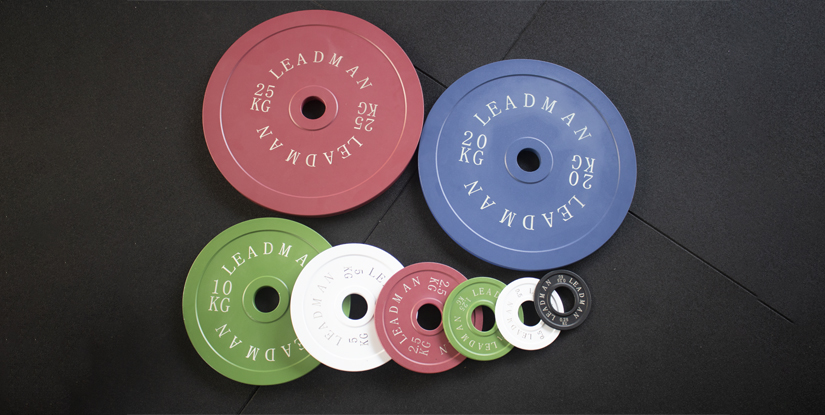
Mitigating Impact Damage via Material Selection
Facility managers often encounter a recurring issue: the premature degradation of flooring and equipment due to high-impact weight drops. This failure usually stems from using inadequate weight formats that lack sufficient shock absorption. While standard iron plates are cost-effective, they lack the compliance necessary for high-intensity training environments. Selecting high-quality Rubber Bumper Weight Plates is the primary technical solution to mitigate both acoustic vibration and structural shock waves that can damage even high-grade gym flooring.
The Mechanics of Impact Absorption
When a barbell hits the floor, kinetic energy is converted into a shock wave. If the material is too dense or brittle, this energy transfers directly into the subfloor. High-grade bumper plates utilize a specialized rubber compound designed to deform slightly upon impact, converting kinetic energy into heat and controlled deformation rather than structural vibration. This mechanism protects the building's integrity and extends the life of the gym flooring system.
| Material Type | Impact Resistance | Durability Profile | Primary Use Case |
|---|---|---|---|
| Standard Iron | Very Low | High brittle failure risk | Low-impact strength training |
| Low-Grade Rubber | Moderate | Potential for surface cracking | Residential/Light Commercial |
| High-Density Bumper | High | Minimal deformation; high rebound control | Professional/Olympic Lifting |
Understanding these material characteristics allows operators to choose equipment that aligns with their facility's structural load limits. Once the material choice is solidified, the focus must shift to the dimensional tolerances that affect barbell performance.
Verifying Dimensional Tolerances and Center of Mass
A common technical failure in heavy-duty training environments is the 'unbalanced load' phenomenon. This occurs when the thickness or density of the plates is inconsistent, causing a barbell to tilt or oscillate unnaturally during dynamic movements. Precise manufacturing ensures that the center of mass remains stable, which is vital for both safety and the longevity of the barbell sleeves.
Standardizing Plate Thickness and Diameter
Commercial-grade plates must adhere to strict diameter standards to ensure the barbell remains level. If plates vary in thickness, the weight distribution becomes uneven, placing lateral stress on the barbell. Operators should verify the following parameters during procurement:
- Uniform Diameter: Ensures consistent rotation and balance during clean and jerk movements.
- Consistent Thickness: Prevents uneven weight loading on the barbell sleeves.
- Center Hole Precision: Critical for preventing the plate from wobbling or binding on the bar.
By enforcing these standards, a facility minimizes the risk of uneven wear on the barbell's bearing system. However, even perfectly balanced plates require a specific maintenance regimen to prevent surface degradation.
Implementing a Preventative Maintenance Schedule
Even the most durable Rubber Bumper Weight Plates are subject to environmental wear and physical degradation. Without a structured maintenance plan, rubber compounds can undergo oxidation or chemical breakdown, leading to surface cracking or 'blooming'—a white, powdery residue that compromises the plate's aesthetic and tactile quality.
Routine Inspection and Cleaning Protocols
A proactive approach to maintenance prevents the need for expensive premature replacements. Facilities should implement a two-tier inspection system: daily visual checks and monthly deep inspections. Use the following checklist to guide your maintenance personnel:
- Surface Integrity Check: Look for hairline cracks or chunks missing from the edges (indicative of high-impact abuse).
- Odor and Chemical Assessment: Check for a strong rubberized smell or stickiness, which may suggest exposure to harsh cleaning chemicals.
- Edge Compression Test: Ensure the plates haven't permanently 'compressed' or lost their round profile.
- Cleaning Method: Use only mild soap and water; avoid petroleum-based cleaners that degrade rubber.
Maintaining the surface texture is essential for grip and safety, but physical maintenance is only one side of the coin. The other side involves how these plates interact with your facility's structural layout.
Related reading:
Optimizing Floor Loading and Spatial Layout
Simply having high-quality plates is insufficient if the physical environment is not prepared for the load. The weight of a full barbell, combined with the dynamic force of a drop, can exceed the rated capacity of standard commercial flooring. Miscalculating the load-to-area ratio is a frequent error that leads to expensive structural repairs.
Calculating Dynamic Load Requirements
Facility operators must distinguish between static weight and dynamic load. A 100kg barbell dropping from a height of one meter generates significantly more force than 100kg resting on the floor. When planning a lifting area, consider these factors:
| Factor | Implication | Mitigation Strategy |
|---|---|---|
| Ceiling Height | Potential for vibration transfer to upper floors | Install acoustic damping or structural bracing |
| Subfloor Material | Concrete vs. Wood vs. Suspended Deck | Specify high-density platform mats |
| Plate Diameter | Surface area of impact | Use standard 450mm plates for better distribution |
Proper layout planning ensures that the kinetic energy from a drop is safely absorbed before it reaches the building's core. With the spatial layout optimized, the focus naturally moves toward the specific procurement criteria for high-performance equipment.
Related reading:
Procurement Criteria for Commercial Facilities
When selecting Rubber Bumper Weight Plates for a professional setting, the 'lowest bid' approach often results in higher total cost of ownership due to rapid replacement cycles. Buyers should look beyond the price per kilo and focus on technical specifications that guarantee longevity.
Essential Technical Specifications to Verify
A professional procurement sheet should include specific requirements for density, bounce, and tolerance. Relying on vague terms like 'heavy duty' is a common mistake that leads to substandard equipment. Instead, demand specific data points regarding the rubber'
Evaluating Vendor Reliability and Compliance
A reliable supplier provides more than just products; they provide technical data sheets. Before finalizing an order, ask for documentation regarding the rubber's UV resistance (crucial for outdoor setups) and its chemical stability. This level of detail prevents the common issue of plates becoming brittle or tacky under varying facility temperatures. Once the equipment is on-site, the focus shifts to daily operational safety.
Related reading:
Operational Safety and User Behavior Control
The durability of the equipment is highly dependent on how it is used. While bumper plates are designed for dropping, certain user behaviors can significantly accelerate the rate of failure. Managing these behaviors is a core responsibility of the facility operator to ensure a safe training environment.
Common Misuse Scenarios and Prevention
Training staff should be educated on the difference between a controlled drop and an uncontrolled impact. For instance, dropping a barbell from an excessive height without a proper platform can lead to unexpected lateral movement. Below is a summary of common operational errors:
- Improper Drop Angles: Dropping weights at an angle can cause the barbell to bounce unpredictably toward users.
- Excessive Vertical Drops: Repeated high-altitude drops without adequate damping can cause the rubber to chip or compress.
- Improper Storage: Storing plates in direct sunlight or high-heat areas can lead to thermal degradation.
By establishing clear rules for use, operators can protect both their staff and their investment. Effective management of these variables is the final step in ensuring a long-lasting, high-performance lifting environment.
Related reading:
Long-Term ROI and Total Cost of Ownership Analysis
While the initial investment in premium Rubber Bumper Weight Plates is higher, the long-term return on investment (ROI) is significantly greater than cheaper alternatives. A comprehensive understanding of the total cost of ownership (TCO) is required for professional facility planning.
Comparing Lifetime Costs: Premium vs. Budget
A budget-focused approach often ignores the hidden costs of frequent replacement, downtime, and floor repairs. A professional facility model should account for these variables over a five-year lifecycle. Premium products offer predictable maintenance and a lower frequency of replacement, which stabilizes long-term operational expenses.
| Cost Element | Budget Option Impact | Premium Option Impact |
|---|---|---|
| Initial Purchase | Low | High |
| Replacement Frequency | High (Every 12-24 months) | Low (Every 36-60+ months) |
| Flooring Maintenance | High (Frequent structural repairs) | Low (Predictable wear) |
| Operational Downtime | High (Due to equipment failure) | Minimal |
Ultimately, the decision to invest in higher-grade materials is a decision to invest in the operational stability of the facility. Rigorous selection and maintenance ensure that the equipment remains a reliable asset rather than a recurring expense.