
Optimizing Dumbbell Bar Selection and Maintenance for Commercial Facilities
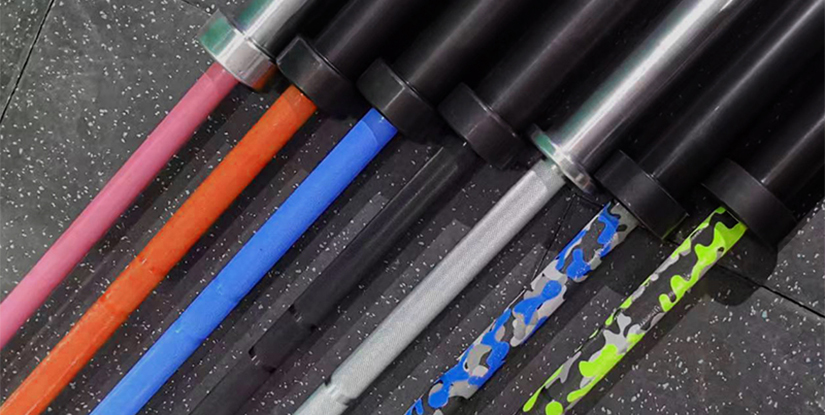
Structural Integrity and Mechanical Failure in Dumbbell Bar Assemblies
In high-traffic commercial environments, the failure of a single Dumbbell Bar can transition from a minor inconvenience to a significant liability. Most operators report that mechanical failure is not a sudden event but a progressive degradation caused by improper load distribution and unmonitored fatigue. When a bar begins to show signs of uneven weight distribution or structural micro-fractures, the risk of injury to the end-user increases exponentially. Understanding these failure modes is the first step in moving from reactive replacement to proactive management.
Common Causes of Structural Instability
The primary cause of instability in dumbbell assemblies is often found in the connection between the central shaft and the weight-bearing ends. If the internal sleeve or the threading is compromised, the rotational balance of the tool is lost. This is frequently caused by dropping the equipment from heights exceeding safe tolerances, which induces shock loads that the material's fatigue limit cannot withstand. Another common culprit is the degradation of the grip surface, which is often a result of chemical exposure from improper cleaning agents.
Visual Indicators of Fatigue
Operators should conduct a daily visual scan to identify the following indicators of imminent failure:
- Visible micro-cracking: Small, hair-like fractures near the sleeve junction.
- Asymmetric Rotation: A noticeable wobble when the bar is spun during grip transitions.
- Surface Pitting: Corrosion caused by salt or moisture retention in the knurling.
- Thread Degradation: Stripped or rounded threading on adjustable variants.
Identifying these signs early allows for scheduled replacement rather than emergency downtime. Once these visual cues are understood, the focus must shift to the technical specifications that dictate how a bar behaves under load.
Material Selection and Tensile Strength Standards
Moving beyond visual inspection, a professional procurement manager must understand the metallurgical differences that distinguish consumer-grade items from commercial-grade equipment. A high-quality Dumbbell Bar is engineered with specific tensile strength and hardness to ensure it remains straight under both static and dynamic loads. The difference between a high-tensile steel core and a standard iron core is the primary determinant of the equipment's lifecycle in a commercial setting.
The Impact of Hardness on Durability
The hardness of the steel, often measured on the Rockwell scale, affects both the longevity of the knurling and the resistance to bending. A bar that is too soft will deform under extreme loads, while a bar that is too brittle may fail catastelly under impact. Facilities must decide between steel with a high carbon content for durability or stainless steel for corrosion resistance, depending on their environmental controls.
| Material Type | Primary Benefit | Typical Application | Risk Factor |
|---|---|---|---|
| Carbon Steel | High Tensile Strength | High-intensity strength training | Corrosion susceptibility |
| Stainless Steel | Corrosion Resistance | High-humidity or outdoor environments | Higher procurement cost |
| Chrome Plated | Aesthetic & Surface Protection | General commercial fitness clubs | Flaking if plating is low quality |
When evaluating these materials, the procurement process should involve verifying the Rockwell hardness rating (HRC) if available from the technical data sheet. This ensures that the selection aligns with the expected intensity of the facility's user base. With the material foundation established, the next critical step is ensuring the precision of the grip and the bar's dimensions.
Precision Knurling and Grip Ergonomics
The interface between the human hand and the equipment is the most critical point of contact. A poorly executed knurling pattern on a Dumbbell Bar can lead to skin abrasions or, more dangerously, a loss of grip during high-intensity movements. This is not merely a matter of comfort but a fundamental safety parameter that dictates how the load is transferred from the user to the bar.
Knurling Patterns: Coarse vs. Fine
The depth and frequency of the knurling (the cross-hatched pattern on the grip) are the primary variables in grip performance. Operators must choose a pattern that suits their target demographic. A heavy-duty powerlifting environment requires a coarser, deeper knurling, whereas a boutique wellness club may benefit from a more refined, ergonomic finish.
Technical Specifications for Grip Verification
To verify that the grip meets commercial standards, implement the following checklist during your quarterly equipment audit:
- Consistency Check: Ensure the knurling depth is uniform from the center to the ends.
- Edge Sharpness: Inspect for "burrs" or sharp edges that indicate metal fatigue or manufacturing defects.
- Diameter Precision: Verify that the diameter remains consistent (e.0. 28mm or 32mm) along the entire shaft.
A failure in grip consistency often leads to user dissatisfaction and increased injury risk. Once the ergonomic performance is verified, the technician must turn their attention to the structural components that hold the weights in place.
Related reading:
Weight Attachment Systems and Security Protocols
If the grip is the interface for the user, the attachment system is the interface for the weight. Whether using fixed-weight designs or adjustable screw-on systems, the mechanism that secures the load must be scrutinized for mechanical play. Loose components create a centrifugal imbalance that can cause the bar to oscillate during use, potentially leading to catastrophic failure.
Adjustable vs. Fixed Weight Architectures
In many commercial settings, the choice between fixed dumbbells and adjustable bars is driven by floor space and budget. However, adjustable systems introduce more points of failure. The threading on an adjustable bar is susceptible to cross-threading and striping if users do not follow proper torque protocols. Fixed-weight bars, while more durable, require more rack space and strict adherence to floor-load capacities.
Verification of Attachment Security
Operators should implement a periodic mechanical test to ensure weight stability. This involves checking for "play" in the sleeve or the connection point. If a bar exhibits a rhythmic clicking or shifting when a light weight is applied, the internal housing or threading is likely compromised and requires immediate removal from service.
| Component | Failure Mode | Detection Method | Actionable Fix |
|---|---|---|---|
| Threaded Ends | Cross-threading | Visual misalignment of threads | Replace adjustable collars |
| Internal Sleeve | Mechanical Play | Tactile vibration during lift | Decommission and replace |
| End Caps | Loose Fit | Weight shifting during rotation | Tighten or replace cap |
Securing the load effectively prevents the most common causes of equipment-related accidents. However, even a perfectly secured bar requires a rigorous maintenance schedule to ensure it does not degrade over time.
Related reading:
Routine Maintenance and Surface Protection Protocols
Even the highest-grade equipment requires consistent care to prevent the onset of oxidation and mechanical wear. A neglected Dumbbell Bar will eventually suffer from surface degradation, which compromises both its aesthetic appeal and its functional grip. Maintenance is not an occasional task but a continuous operational requirement for any professional facility.
Preventing Oxidation and Surface Corrosion
Oxidation is the most common enemy of carbon steel equipment. Moisture from perspiration and ambient humidity can lead to rust, which fills the knurling and makes the bar difficult to clean. To prevent this, a regimen of regular cleaning and light lubrication is necessary. Using an oil-based cleaner on the shaft can create a hydrophobic barrier that protects the metal.
Maintenance Checklist for Facility Managers
To maintain a professional standard, facility managers should adhere to the following maintenance cadence:
- Weekly: Wipe down all grip surfaces with a non-abrasive, pH-neutral cleaner.
- Monthly: Inspect all connection points and threaded sections for signs of rust or wear.
- Quarterly: Apply a thin layer of specialized equipment lubricant to the shaft to maintain surface integrity.
- Bi-Annually: Full mechanical audit of all weight-bearing components.
Consistent maintenance drastically extends the ROI of your equipment purchases. As the maintenance schedule becomes parted of the facility culture, the focus naturally shifts toward the broader environment where the equipment is used.
Related reading:
Environmental Impact and Floor Load Management
The longevity of your equipment is not only determined by its own quality but also by the environment in which it is placed. A high-quality bar is only as durable as the floor it is dropped on. In commercial settings, the interaction between the equipment and the flooring is a major component of overall facility maintenance and safety.
The Importance of Shock Absorption
When weights are dropped, even controlled, the impact energy is transferred through the bar and into the floor. If the floor lacks adequate shock absorption, this energy can reflect back into the bar, causing structural micro-fractures or bending the shaft. This is especially critical when using heavier-weight bars in a commercial gym setting.
Floor Loading and Structural Considerations
Operators must consider the two types of floor stress: static and dynamic. Static load is the weight of the equipment sitting on the floor, while dynamic load is the force generated during a movement or a drop. If your facility is located on an upper floor, you must verify the building's load-bearing capacity against the maximum possible dynamic load of your heaviest equipment.
| Floor Type | Shock Absorption Rating | Suitability for Heavy Bars | Maintenance Note |
|---|---|---|---|
| Standard Concrete | Low | Not Recommended | High risk of cracking |
| Rubber Matting (Standard) | Medium | Good for general use | Check for compression set |
| High-Density Drop Zone | High | Optimal for heavy training | Monitor for mat wear |
Choosing the right floor protection ensures that your investment in high-quality bars is not undermined by environmental failures. With these variables managed, the final step is establishing a clear protocol for when a piece of equipment must be retired.
Related reading:
Implementing a Decommissioning Protocol
In a professional commercial environment, there must be no ambiguity regarding when a piece of equipment is no longer safe. A formal decommissioning protocol removes the guesswork from the hands of junior staff and ensures that safety remains the absolute priority. This protocol should be the final stage of a continuous feedback loop involving inspection, maintenance, and replacement.
Defining the 'Red Line' for Retirement
The 'Red Line' is a set of non-negotiable criteria that mandate the immediate removal of a bar from the gym floor. If any single one of these criteria is met, the item is considered a liability. A clear policy prevents the 'just one more use' mentality that often leads to preventable injuries.
Standard Decommissioning Criteria
A professional facility should use the following criteria to justify equipment disposal:
- Structural Deviation: Any permanent bend in the shaft that exceeds manufacturer tolerances.
- Unrecoverable Corrosion: Rust that has pitted the metal deep enough to affect the knurling or the grip.
- Mechanical Instability: Any looseness in the weight-bearing sleeves that cannot be fixed with standard maintenance.
- Safety Hazard: Any broken or missing parts (e.g., end caps or collars) that cannot be replaced.
Establishing these protocols ensures that the facility operates at peak efficiency and safety. By following these structured guidelines—from material selection to decommissioning—operators can ensure their equipment remains a reliable asset rather than a mounting liability.