
Wholesale Barbells Procurement: A Technical Guide for Commercial Facilities
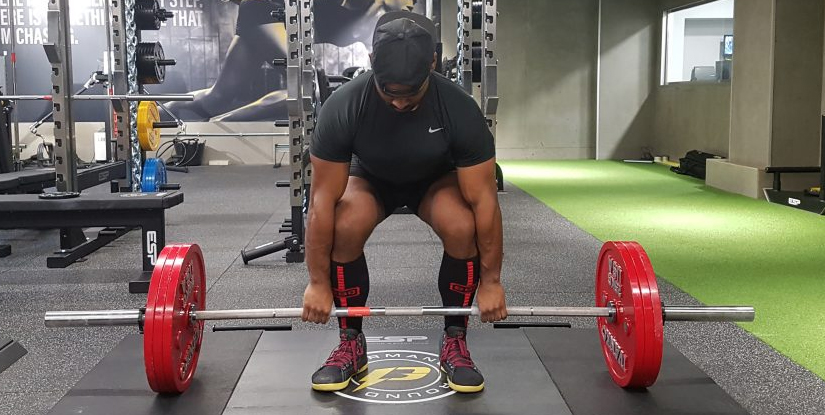
Navigating the Complexity of Wholesale Barbells Procurement
Acquiring high-quality lifting implements at scale is a significant logistical challenge for facility managers and gym owners. When sourcing Wholesale Barbells, the primary friction point is not merely the initial purchase price, but the long-term total cost of ownership. A low-cost bar that suffers from premature knurling wear or bearing seizure forces frequent replacement, disrupting facility operations and increasing capital expenditure. To avoid these pitfalls, procurement professionals must look beyond simple unit pricing and evaluate the technical specifications that govern structural integrity and mechanical performance.
Understanding the distinction between consumer-grade and commercial-grade equipment is the first step in building a reliable inventory. The following guide provides a technical framework for evaluating, testing, and maintaining barbell stock to ensure longevity in high-traffic environments.
Evaluating Material Composition and Tensile Strength
The core of any professional barbell is the steel shaft, and its performance is dictated by its chemical and mechanical properties. A common mistake in bulk purchasing is overlooking the difference between mild steel and high-tensile steel. While mild steel is more affordable, it lacks the ability to recover from extreme loading, leading to permanent bending (the 'permanent set' failure mode). In contrast, high-tensile steel is engineered to withstand massive weights and return to its original shape.
The Role of Tensile Strength and Yield Strength
When reviewing technical spec sheets for Wholesale Barbells, focus on two distinct metrics: tensile strength and yield strength. Tensile strength refers to the maximum load the bar can handle before breaking, while yield strength is the point at which the bar begins to deform permanently. A high-quality commercial bar should prioritize a high yield strength to ensure durability under heavy training cycles.
| Steel Type | Characteristic | Ideal Use Case | Risk Factor |
|---|---|---|---|
| Mild Steel | Low elasticity, easier to bend | Home gyms or low-frequency use | Permanent deformation under high loads |
| Medium Carbon | Balanced strength/cost | Standard commercial facilities | Moderate risk of bending if overloaded |
| High-Tensile Steel | High elasticity, high recovery | Professional/Competition environments | Higher initial cost per unit |
By prioritizing steel quality during the selection process, operators can mitigate the risk of replacing bent bars every few months. Once the material integrity is established, the next critical decision involves the surface finish and tactile performance.
Analyzing Surface Finishes and Knurling Precision
Beyond the structural steel, the exterior coating and the texture of the shaft—known as the knurling—determine how a bar interacts with the athlete. In commercial settings, the surface finish must balance grip security with long-term corrosion resistance. Many buyers overlook how different finishes react to sweat, chalk, and environmental moisture, leading to premature oxidation or skin irritation.
Common Finishes and Their Trade-offs
The choice of finish is often a compromise between aesthetic appeal and functional longevity. A technical evaluation should consider the following standard options found in commercial procurement:
- Chrome Plating: Provides a highly polished, aesthetic look with excellent corrosion resistance, but can be prone to chipping if high-impact contact occurs.
- Cerakote: A ceramic-based coating that offers superior durability and a wide range of colors, though it can change the feel of the knurling.
- Black Oxide: A dark, matte finish that looks professional but offers significantly less protection against rust compared to chrome or zinc.
- Stainless Steel: The gold standard for durability and corrosion resistance, often used in high-end facilities, though it carries a premium price.
Choosing the wrong finish can lead to grip issues or rapid degradation. After selecting a finish, the operator must then evaluate the mechanical precision of the rotating sleeves, which is where most mechanical failures originate.
Related reading:
Mechanical Integrity of Sleeve Bearings and Bushings
The rotation of the sleeves is the most complex mechanical part of any barbell. In high-volume environments, a failure in the rotation mechanism can lead to uneven weight distribution during a lift, creating a significant safety hazard for the user. The primary decision point for a purchaser is whether to select bearings or bushings based on the intended training style of the facility.
Bearings vs. Bushings: A Technical Comparison
The distinction between these two mechanisms is vital for determining the lifespan and 'feel' of the bar. A mistake in this area often results in 'noisy' or 'stiff' bars that frustrate advanced lifters.
| Feature | Needle Bearings | Bronze Bushings |
|---|---|---|
| Rotation Type | Smooth, high-speed rotation | Slower, more stable rotation |
| Best For | Olympic weightlifting and snatches | Powerlifting and heavy deadlifts |
| Durability | Sensitive to dust and impact | Robust and resistant to heavy loads |
| Maintenance | Higher precision requirement | Low maintenance/High tolerance |
Selecting the correct internal mechanism ensures that the barbell performs predictably under load. With the mechanical components understood, the operator must now consider the impact of these bars on the facility's floor-load constraints.
Related reading:
Managing Floor Impact and Vibration Control
Heavy lifting generates significant kinetic energy. When purchasing Wholesale Barbells, the procurement strategy must also include a plan for impact management. If a heavy bar is dropped directly onto a hard surface, the resulting shockwave can damage the barbell's sleeves and, more importantly, cause structural damage to the facility's subfloor.
Mitigating Impact Damage
Facility managers should implement a tiered approach to impact control. This involves selecting bars with specific weight distributions and pairing them with appropriate flooring. A common failure mode is the 'compression failure' of thin rubber mats, which leads to uneven floor surfaces over time. To prevent this, operators should verify the Shore hardness of their gym flooring to ensure it provides sufficient shock absorption without being too soft for stable lifting.
- Checklist for Floor Safety: Verify subfloor load capacity; ensure mats have high density (Shore A hardness 60+); monitor for loose floor tiles after heavy drops.
Proper impact management extends the life of the barbell sleeves and preserves the facility's structural integrity. Moving from the floor up, the next step is establishing a rigorous inspection cadence.
Related reading:
Implementing a Professional Inspection Cadence
Preventative maintenance is the only way to ensure a long ROI on heavy equipment. Relying on user feedback to identify broken equipment is a reactive strategy that increases liability. A professional facility should implement a scheduled inspection routine to catch failures before they become safety incidents.
The Three-Tiered Inspection Protocol
To maintain a safe environment, operators should move from daily visual checks to monthly deep-dive mechanical testing. This systematic approach ensures that Wholesale Barbells remain a reliable asset rather than a liability.
- Daily Visual Inspection: Check for visible rust, significant knurling wear, or obvious bending of the shaft during standard floor walk-throughs.
- Weekly Mechanical Test: Spin the sleeves by hand to ensure rotation remains smooth and consistent without grinding or sticking.
- Monthly Detailed Audit: Use a caliper to check shaft straightness and inspect the contact points between the sleeves and the bar for any signs of metal fatigue or loose bolts.
A consistent inspection routine allows for the identification of subtle changes in performance, such as a gradual increase in sleeve friction. These indicators are the precursors to total component failure.
Related reading:
Troubleshooting Common Barbell Failure Modes
Even with high-quality procurement, mechanical issues can arise. Understanding the cause and the immediate fix can minimize downtime. Most issues in a commercial setting stem from either improper storage or excessive environmental exposure.
Identifying and Resol러ving Issues
If an operator notices a change in barbell behavior, they should use the following diagnostic framework to determine if the bar can be repaired or must be decommissioned.
- Problem: Stiff Sleeve Rotation
Cause: Accumulation of dust, chalk, or dried lubricant inside the bearing/bushing.
Fix: Deep clean the sleeve area with a degreaser and re-apply a light, high-quality lubricant. - Problem: Erratic Knurling Feel
Cause: Surface oxidation or extreme wear from improper cleaning agents.
Fix: Use a fine-grit abrasive for mild rust or replace the bar if the metal is exposed. - Problem: Visible Shaft Bend
Cause: Excessive load or poor material quality.
Fix: No field fix; the bar must be decommissioned immediately to prevent injury.
Recognizing these patterns allows staff to address issues before a user is injured. Once a problem is identified, the focus shifts to the long-term ROI and the documentation of equipment lifecycles.
Related reading:
Long-Term ROI and Lifecycle Documentation
For a professional facility, the true value of Wholesale Barbells is found in their lifespan. Tracking the age and usage of each barbell allows for more accurate budgeting and prevents the shock of unexpected replacement costs. A high-quality bar that lasts 5 years is more cost-effective than two cheap bars that last 2 years each, even if the initial cost is higher.
The Lifecycle Tracking Model
Successful facility managers often maintain a digital log for all high-use implements. This log should track the purchase date, the last major maintenance event, and any recorded defects. By treating the barbell as a measurable asset rather than a disposable tool, the facility can optimize its procurement cycles and maintain a higher standard of training quality.
Ultimately, the successful procurement of wholesale lifting equipment depends on a technical understanding of material science, mechanical precision, and rigorous maintenance protocols. By applying these standards, operators can ensure their facility provides a safe, high-performance environment for all users.