
Selecting and Maintaining High-Quality Olympic Weight Rubber Plates
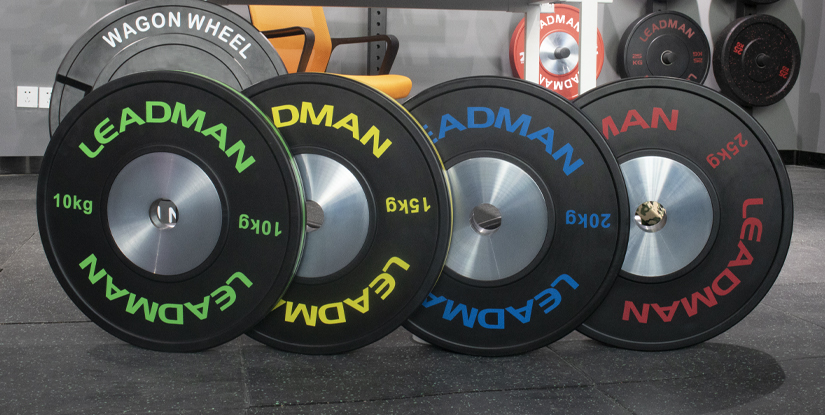
Material Composition and Structural Integrity Challenges
Facility operators often face the frustration of premature degradation in training environments. When Olympic Weight Rubber Plates begin to crack, lose their dimensional stability, or exhibit an unpleasant odor, the issue usually stems from an inferior material blend. Low-grade recycled rubber can lead to rapid oxidation and brittle edges, which creates a safety hazard for both the user and the facility floor.
Common Causes of Plate Cracking
Cracking is rarely a random event; it is typically a symptom of improper temperature management or low-quality binders. In extreme environments, such as unconditioned warehouses or outdoor training areas, the rubber undergoes thermal expansion and contraction. If the binder-to-rubber ratio is suboptimal, the plate loses its ability to flex, leading to structural failure during high-impact drops.
Verification of Material Quality
To prevent these failures, procurement managers should request technical data sheets regarding the density and composition. A high-quality plate should demonstrate consistent density across the entire surface. Professionals should verify the hardness levels and ensure the material is free from excessive volatile organic compounds (VOCs) that can off-gas in enclosed gym environments. Establishing a baseline for material quality is the first step in preventing long-term replacement costs.
Once the material integrity is understood, the focus must shift to how these plates interact with the surrounding environment, specifically the floor and the barbell.
Optimizing Surface Finish and Impact Absorption
The relationship between the weight plate and the gym floor is a critical variable in facility longevity. Improper impact absorption can lead to structural damage in the subfloor, potentially compromising the integrity of the entire building. A high-quality rubber coating is not just about weight; it is about the kinetic energy management of the impact.
The Role of Shore Hardness in Impact Management
The hardness of the plate surface, often measured via Shore hardness scales, dictates how much energy is transferred to the floor. A plate that is too hard may cause micro-fractures in concrete subfloors, while a plate that is too soft may suffer from excessive deformation over time. Facilities must balance the need for a resilient surface with the requirement for a stable, non-deforming weight interface.
| Plate Type | Surface Texture | Ideal Use Case | Primary Advantage |
|---|---|---|---|
| High-Density Bumper | Smooth/Uniform | Olympic Lifting/CrossFit | Maximum shock absorption |
| Standard Rubberized | Grainy/Textured | General Strength Training | High durability/Low maintenance |
| Hybrid Composite | Dual-Texture | Multi-discipline Gyms | Balanced bounce and grip |
Selecting the Right Interface
When selecting plates, operators must evaluate the "bounce factor." Excessive bounce can make heavy lifts unpredictable and potentially dangerous. High-performance Olympic Weight Rubber Plates are engineered to dampen the rebound, ensuring the weight settles quickly and predictably. Verification of this property should involve a physical test: drop a controlled weight and observe the height of the rebound compared to industry standards for high-density rubber.
Achieving the correct impact profile is essential, but it also requires a deep understanding of the dimensional tolerances required for seamless barbell loading.
Precision Engineering: Dimensional Tolerances and Loading Standards
One of the most persistent complaints in commercial strength training is the lack of precision in weight distribution. If a set of plates has significant thickness variances, the barbell will become unbalanced, leading to uneven wear on the barbell sleeves and potential injury to the athlete. Precision is not a luxury; it is a functional requirement for professional-grade training.
The Impact of Thickness Variation
Thickness variation directly affects the center of gravity of the barbell. If one plate is significantly thicker than its counterpart on the opposite side, the bar will tilt during movement. This is particularly problematic in high-repetition environments where the weight must remain stable. Technical specifications should ideally show a tolerance of less than 1-2% in weight and thickness.
Verification Checklist for Weight Uniformity
- Weight Check: Weigh a pair of plates on a calibrated industrial scale to ensure they fall within the specified tolerance.
- Diameter Inspection: Use a caliper to check the outer diameter of the plate to ensure it meets the 450mm standard for Olympic equipment.
- Center Hole Precision: Verify the inner diameter of the center hub to ensure a smooth fit on 50mm barbells without excessive wobble.
Ensuring that your weights are dimensionally accurate minimizes mechanical strain on other equipment, paving the way for a standardized maintenance routine.
Related reading:
Establishing Rigorous Preventative Maintenance Protocols
Maintaining the high performance of your equipment requires moving from a reactive mindset to a proactive one. Even the highest quality Olympic Weight Rubber Plates will degrade if they are neglected or improperly handled. A structured maintenance schedule can extend the lifecycle of your equipment by years, providing a significant return on investment.
Common Failure Modes in Unmaintained Equipment
Neglect often leads to the buildup of contaminants that degrade the rubber surface. For example, skin oils, sweat, and cleaning chemical residue can seep into the pores of the rubber, causing it to soften or become excessively tacky. Furthermore, failing to inspect the center steel hub can lead to oxidation, which may eventually transfer to and damage expensive barbells.
Monthly Maintenance and Inspection Schedule
A systematic approach to inspection ensures that small issues do not become costly replacements. Facility managers should implement the following routine:
| Task | Frequency | Method | Success Indicator |
|---|---|---|---|
| Surface Cleaning | Weekly | Damp cloth with mild soap | No sticky residue or buildup |
| Tolerance Audit | Quarterly | Precision scale and caliper | Weights within 1-2% tolerance |
| Hub Inspection | Monthly | Visual/Tactile check | No rust or metal fatigue |
By adhering to these protocols, you ensure the equipment remains safe and functional, allowing the user to focus on the next level of operational efficiency.
Related reading:
Operational Safety and Mitigating User Risk
The safety of the athlete is the ultimate priority in any professional training environment. While the durability of the plates is important for the business, the way the plates behave during an impact is vital for human safety. Understanding the physics of a heavy drop is essential for setting up a safe training area.
Mitigating Impact-Induced Risks
When heavy weights are dropped, they release a massive amount of kinetic energy. If the floor is not properly prepared or the Olympic Weight Rubber Plates are not of adequate density, this energy travels through the structure. This can cause vibration-related issues in the building or even physical injury to users standing nearby. Operators must ensure that high-impact zones are clearly demarcated and that the floor thickness is appropriate for the weight classes being used.
The Danger of Suboptimal Center Hubs
A common mistake in procurement is ignoring the quality of the inner steel ring. A low-quality hub can deform under heavy loads, causing the plate to wobble on the barbell. This lack of stability is a primary cause of uneven weight distribution during a lift, which can lead to sudden, unexpected movements. Always verify that the center hub is made of high-grade steel and is securely bonded to the rubber body.
With these safety protocols in place, the next logical step is to evaluate the long-term economic impact of your purchasing decisions.
Related reading:
Procurement Strategy: Total Cost of Ownership vs. Initial Price
A frequent error made by purchasing managers is focusing solely on the upfront cost of equipment. In a commercial setting, the total cost of ownership (TCO) is a much more accurate metric for long-term profitability. A cheap set of plates might save money today, but the replacement frequency and associated labor costs will quickly negate those savings.
Calculating the True Cost of Low-Quality Gear
To calculate the TCO, one must factor in more than just the invoice price. Consider the following variables when comparing two different suppliers:
- Lifespan: How many years of heavy daily use will the plates endure before needing replacement?
- Replacement Frequency: How often will the material crack or lose its shape?
- Cleaning and Labor: How much time and specialized cleaning agents are required to maintain the surface?
- Secondary Damage: Will the plates cause premature wear on your barbells or flooring?
Decision Matrix for Facility Managers
When selecting equipment, use a weighted decision matrix to evaluate suppliers. Do not just look at the price; assign values to durability, weight precision, and material safety. This approach ensures that you are investing in assets that support the long-term growth of your facility rather than liabilities that require constant attention.
Following a sound procurement strategy sets the stage for a long-lasting, high-performing training environment.
Related reading:
Evolution of Material Science in Strength Equipment
As the industry evolves, the technology behind Olympic Weight Rubber Plates continues to advance. We are seeing a move toward more sustainable and high-performance composite materials that offer better shock absorption and even longer lifecycles. Staying informed about these trends allows facility operators to remain ahead of the curve.
The Shift Toward Sustainable Compositions
Environmental concerns are driving manufacturers to develop more eco-friendly rubber blends. These new materials often utilize recycled content without sacrificing the structural integrity or the density required for professional training. This shift not only benefits the planet but also often results in more consistent material performance, as modern manufacturing processes can better control the impurities found in traditional recycled rubber.
Anticipating Technological Advancements
Looking forward, expect to see even greater precision in the manufacturing of weight increments. The integration of advanced sensor technology and more sophisticated molding techniques will likely reduce the variance in weight and thickness even further. For the facility professional, this means more predictable equipment and a more reliable training experience for users.
Understanding these developments ensures that your current procurement decisions are compatible with the future of the strength training industry.