
Mastering Customization Options from a Kettlebell Manufacturer
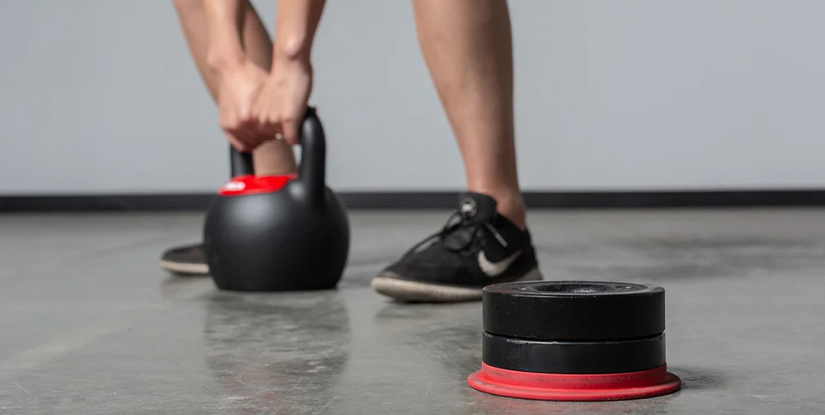
For procurement specialists and fitness facility owners, the difference between a standardized inventory and a tailored product line often determines long-term brand identity and operational efficiency. When sourcing high-performance strength equipment, the ability to specify exact parameters is not a luxury—it is a strategic tool to resolve issues of brand consistency, user ergonomic needs, and equipment longevity. Navigating the complex spectrum of customization options from a kettlebell manufacturer requires more than a simple request for color changes; it requires an understanding of the metallurgical, structural, and aesthetic variables that affect the final product's ROI.
Defining Core Material Selections and Density Requirements
Before addressing aesthetic variations, a buyer must first establish the fundamental material composition of the kettlebell. The primary decision point involves choosing between cast iron, steel, or specialized coatings, as each dictates the weight accuracy and durability of the unit. Failure to specify a high-density core material often results in uneven weight distribution, which can lead to erratic movement during high-velocity swings.
Cast Iron vs. Steel Core Construction
While cast iron is the industry standard for high-volume commercial use due to its cost-effectiveness and ease of molding, steel-core variants offer a more compact footprint for the same weight. A common mistake in procurement is failing to account for the volume discrepancy; a cast iron kettlebell of 24kg will naturally be larger than a steel-encased version of the same weight, affecting the user's center of gravity and grip comfort.
| Material Type | Primary Benefit | Common Failure Mode | Ideal Use Case |
|---|---|---|---|
| Cast Iron | High durability and cost-efficiency | Surface pitting or uneven casting | Standard commercial gyms |
| Steel/Iron Hybrid | Compact size and high density | Higher cost per unit | High-end boutique studios |
| Vinyl/Neoprene Coated | Enhanced grip and floor protection | Coating peeling or tearing | Home use or yoga studios |
| Competition Steel | Precise weight tolerances | Limited weight range options | Professional training facilities |
Establishing these core material constraints is the necessary baseline before moving into the more nuanced specifications of handle geometry and weight increments. Once the density and core are finalized, the focus shifts to how the user actually interacts with the tool.
Ergonomic Customization of Handle Diameter and Grip Texture
The interface between the athlete and the equipment is the most critical factor in preventing hand fatigue and long-term injury. A manufacturer's ability to customize handle dimensions can solve the common problem of "grip fatigue," where standard-sized handles are either too thick for smaller users or too thin for power athletes. If the handle diameter is not optimized for the intended user demographic, the facility risks high equipment turnover due to user dissatisfaction.
Variable Handle Diameters and Surface Finishes
Standardized handles often fall into a one-size-fits-all trap. A strategic buyer should request specific diameter ranges based on the primary user profile. For instance, a facility specializing in kettlebell sport (Girevoy Sport) requires a much slimmer handle than a traditional CrossFit box. Furthermore, the texture of the grip—whether it is a smooth powder coating, a rough cast texture, or a knurled finish—impacts the friction levels during perspiration-heavy sessions.
- Smooth Powder Coat: Best for high-end aesthetics; easy to clean but can become slippery when wet.
- Rough Cast Texture: Provides natural friction; ideal for durability but can be abrasive to sensitive skin.
- Knurled Steel: Maximum grip security; standard in competition-grade equipment.
Selecting the right grip texture is a technical decision that directly impacts user safety. With the handle geometry settled, the next level of customization involves the precise calibration of weight increments and dimensional consistency.
Explore the complete technical specifications:
Precision Weight Calibration and Dimensional Uniformity
A significant pain point for professional strength coaches is the lack of weight consistency across a single set of equipment. If a 16kg kettlebell from one batch feels significantly different in volume or balance than a 16kg from another, it disrupts the training rhythm and undermines the professionality of the facility. Achieving precise customization requires rigorous oversight of the manufacturer's calibration processes.
Weight Tolerance Standards and Volume Consistency
When requesting custom weight sets, buyers must define the acceptable margin of error. High-quality manufacturers typically work within a narrow percentage of the target weight. However, the relationship between weight and volume is often overlooked. For example, as weight increases, the body of the kettlebell must grow in size, which can lead to interference with the handle if not properly engineered. A professional buyer should verify if the manufacturer utilizes standardized molds or if each weight class is custom-cast to ensure dimensional predictability.
Failure to enforce these standards can result in a "broken set," where the physical dimensions of the weights do not match the progression of the user's strength. Once the weight and dimensions are verified, the focus transitions to the external branding and aesthetic identity of the product line.
Explore the complete technical specifications:
Visual Identity and Brand Customization Strategies
Beyond technical performance, the visual presentation of strength equipment serves as a powerful branding tool for commercial entities. Customization options from a kettlebell manufacturer often include advanced finishes and logo integration to differentiate a product line. However, the strategic advisor must ensure that these aesthetic choices do not compromise the structural integrity of the kettlebell.
Advanced Coating Techniques and Logo Integration
A common mistake is opting for heavy paint applications that can hide surface defects or peel under high-impact use. Instead, high-end facilities often utilize powder coating, which is more resilient and offers a much wider spectrum of colors for brand alignment. For high-volume manufacturers, logo application can be achieved through sandblasting, laser etching, or even specialized relief casting within the iron itself.
| Customization Type | Execution Method | Durability Rating | Implementation Risk |
|---|---|---|---|
| Logo Etching | Laser or Sandblast | Very High | Low; permanent part of surface |
| Raised Casting | Integrated into Mold | Maximum | Medium; requires early design stage |
| Color Powder Coat | Electrostatic Spray | High | Low; can chip if applied too thick |
| Vinyl Decals | Sticker Application | Low | High; peels easily during use |
A well-executed branding strategy enhances the perceived value of the equipment, but the durability of these finishes must be verified through rigorous testing. With the visual and brand elements defined, the final stage involves establishing long-term maintenance protocols.
Environmental Compatibility and Material Resilience
A critical oversight in the procurement of customized equipment is failing to match the product's finish to the facility's specific atmosphere. The longevity of your customization is heavily dependent on environmental variables like humidity, salt air (if near a coast), and temperature fluctuations. A product that looks excellent in a showroom may degrade rapidly in a functional training zone if the environmental resistance parameters were not explicitly specified during the design phase.
Climate-Specific Decision Matrix
Before finalizing an order, use the following criteria to determine if your customization choice is appropriate for your facility's micro-climate:
- Indoor/Climate-Controlled: Standard powder coating or high-grade vinyl is sufficient. Focus on aesthetic variety.
- High-Humidity/Indoor Tropical: Avoid untreated iron or low-grade coatings. Specify high-micron powder coats or specialized UV-resistant coatings to prevent oxidation.
- Outdoor/Rugged Environments: Prioritize heavy-duty steel with thick-film finishes. Avoid any coating that can become brittle or crack under intense sunlight and rapid temperature swings.
Selecting an incompatible finish is a common failure mode that leads to high replacement costs. Once the environmental requirements are settled, the focus shifts to how to maintain these specialized surfaces over time.
Operational Maintenance and Long-Term Lifecycle Management
The true cost of customized equipment is measured over its entire lifecycle, not just the initial purchase price. Even the most beautifully customized kettlebell will eventually degrade if the selected materials and finishes are not compatible with the facility's operational protocols. A chipped coating is not just an aesthetic issue; it is a precursor to rust and potential handle failure.
Long-Term Maintenance Protocols
To ensure the maximum ROI of your customized assets, implement the following maintenance routines:
- Surface Integrity Audits: Perform a monthly visual sweep for coating chips or peeling. If a chip is found, treat the area immediately to prevent oxidative spread.
- Handle Friction Testing: Periodically check the texture of the handle. Over years of heavy use, even high-quality knurling or specialized coatings can smooth out, reducing grip safety.
- Environmental Monitoring: In high-humidity facilities, ensure that air circulation is optimized to prevent moisture buildup on the metal surfaces of the equipment.
By understanding these lifecycle variables, a facility manager can ensure that their customized investment continues to provide a high ROI for many years to come.
Verification Framework for Procurement Specialists
Before finalizing a purchase order for custom-spec kettlebells, a professional must implement a rigorous verification checklist. Relying on a manufacturer's word is insufficient; technical documentation and physical samples are required to ensure that the customization options from a kettlebell manufacturer meet the established project requirements.
The Three-Step Verification Process
1. Sample Analysis: Always request a pre-production sample that includes the specific handle diameter, texture, and color. Test this sample for grip friction and dimensional accuracy against your specifications.
2. Documentation Audit: Request the manufacturer's material safety data sheets (MSDS) and quality control (QC) reports. Ensure they can provide certificates of weight accuracy for the specific batch ordered.
3. Stress Testing Simulation: Mentally or physically simulate the harshest use case of your facility. If you are a high-traffic gym, verify the thickness of the powder coating and the resistance of the handle texture to abrasion.
A rigorous verification process moves the procurement decision from a gamble to a calculated strategic move. By mastering these customization variables, from material density to brand-aligned finishes, professionals can build equipment fleets that are both functionally superior and commercially distinct.