
Optimizing Durability and Performance of Gym Rubber Weight Plates
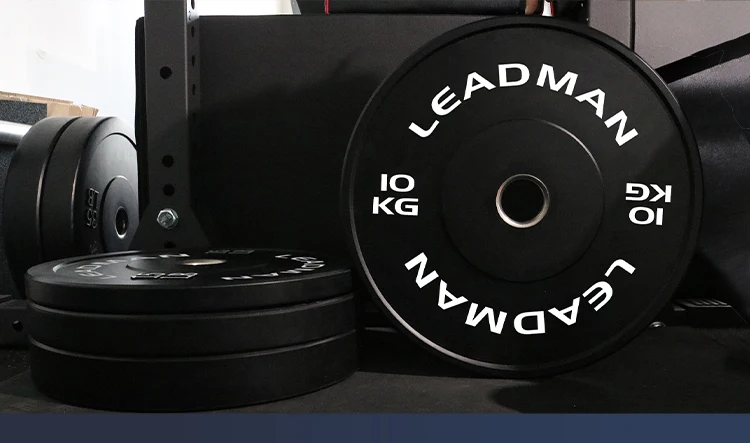
The Misconception of Uniformity in Gym Rubber Weight Plates
A common fallacy among facility procurement managers is the belief that all rubberized lifting equipment is functionally identical once it reaches the weight threshold. Many operators assume that if a plate is labeled as a 20kg bumper, its performance, impact resistance, and density are standardized across the industry. This assumption leads to premature equipment degradation and unexpected floor damage. In reality, the internal composition and the quality of the external rubber coating dictate the long-term operational lifecycle of the product.
High-density Gym Rubber Weight Plates are not merely weights covered in coating; they are complex engineered components. A failure to distinguish between low-grade recycled crumb rubber and high-grade virgin elastomers often results in plates that crack under thermal expansion or lose their dimensional stability. Understanding these material nuances is the first step in transitioning from a reactive replacement cycle to a proactive asset management strategy. This structural understanding of material composition sets the stage for evaluating the physical tolerances required for commercial environments.
Material Composition and Density Standards
Building on the need for material awareness, it is essential to understand that the density of a plate directly influences its center of gravity and its impact on the barbell. A common problem in commercial settings is the 'lopsided' feel of certain plates, caused by uneven distribution of the rubber-to-core ratio.
The Core vs. The Coating
Most professional-grade plates utilize a high-density steel or high-impact polymer core encased in a thick rubber skin. The primary failure mode occurs when the bond between the core and the rubber skin is weak. Under heavy impact, the rubber can delaminate, leading to a catastrophic loss of balance during a lift. Operators should verify the manufacturing process by checking for seamless edges and consistent thickness across the circumference.
| Material Type | Primary Use Case | Typical Impact Profile | Durability Expectation |
|---|---|---|---|
| Virgin Rubber Encapsulation | High-intensity CrossFit/Olympic lifting | High shock absorption; minimal bounce | Extremely High |
| Recycled Crumb Rubber | Standard strength training | Moderate bounce; higher noise levels | Medium |
| Hybrid Polymer Core | Lightweight/Beginner training | Controlled rebound; consistent feel | High (for low-impact) |
By selecting materials based on the intended impact intensity, a facility can significantly reduce the rate of hardware failure. This level of selection criteria leads directly into the technical nuances of dimensional tolerances.
Precision Tolerances and Dimensional Integrity
Once the material type is selected, the next critical variable is the precision of the plate's dimensions. A frequent pain point for experienced lifters is the lack of uniformity in the center hole diameter, which can lead to barbell wobble or uneven weight distribution during heavy cleans or snatches.
Verifying Inner and Outer Diameter Accuracy
A plate that claims to be 450mm in diameter but fluctuates by even 5mm can create a significant imbalance in a barbell setup. This is not just a matter of aesthetics; it is a matter of safety and mechanical precision. When weights are dropped, the outer diameter's consistency ensures the shock is distributed evenly across the surface area.
- Inner Diameter (ID) Check: Ensure the hole diameter provides a snug yet smooth fit for standard 50mm barbells.
- Thickness Consistency: Use a caliper to verify that the thickness is uniform from edge to edge to prevent 'leaning' during lifts.
- Edge Profile: High-quality plates feature a beveled edge to prevent chipping and reduce the risk of catching on the barbell sleeves.
Identifying these tolerances prevents the frustration of uneven lifting loads. However, even a perfectly sized plate requires a specific maintenance regimen to prevent the material from deteriorating over time.
Related reading:
Maintenance Protocols for Long-Term Performance
A high-quality procurement choice is only as good as the maintenance routine supporting it. A common mistake among facility operators is treating rubber plates as 'set and forget' assets. Without regular inspection and cleaning, rubber surfaces can become a breeding ground for debris and structural weaknesses.
Surface Integrity and Cleaning Procedures
Environmental factors such as humidity and skin oils can degrade the surface of the rubber. If left untreated, these substances can cause the rubber to become tacky or, conversely, excessively brittle. Maintaining the surface integrity ensures that the plates remain easy to grip and safe to handle.
Standard Operating Procedure for Cleaning:
- Inspection: Conduct a visual scan once a week for signs of cracking, swelling, or delamination.
- Cleaning: Use a damp, non-abrasive cloth with a mild, pH-neutral detergent. Avoid harsh chemicals or petroleum-based solvents which can dissolve the rubber binders.
- Storage: Store plates in a temperature-controlled environment to prevent extreme thermal expansion and contraction cycles.
Consistent adherence to these protocols will extend the operational life of the assets. This maintenance-first approach is especially critical when considering the structural impact on the facility's flooring.
Related reading:
Minimizing Floor Impact and Structural Load
The relationship between the weight plate and the floor is a critical mechanical link. Many operators overlook the fact that the density of the rubber on the plate plays a vital role in how much energy is transferred to the subfloor during a drop.
Shock Absorption and Energy Dissipation
When a heavy barbell hits the floor, the kinetic energy must be dissipated. If the plate's rubber is too hard (high Shore hardness), the energy is transferred directly into the floor, potentially damaging the subfloor or the building's structural slab. If the rubber is too soft, the plate may experience excessive bounce, which can be dangerous for the lifter.
| Impact Scenario | Target Rubber Characteristic | Risk of High Hardness | Risk of Low Hardness |
|---|---|---|---|
| Olympic Weightlifting | High shock absorption/High density | Floor cracking/Structural vibration | Excessive rebound/Unpredictable bounce |
| Bodybuilding/DB Training | Medium density/Stable surface | Noise/Metal-on-floor clatter | Surface deformation/Indentation |
| CrossFit/Functional | Variable density/High durability | High noise/Surface wear | Weight/Bulk issues |
Choosing the correct density ensures that the equipment serves its purpose without compromising the facility's infrastructure. This technical alignment between the plate and the floor is also a key factor in sound management within a multi-use facility.
Related reading:
Safety Verification and Failure Mode Analysis
Safety is the ultimate metric of success for any commercial gym. A failure to recognize the early signs of material fatigue can lead to more than just equipment replacement costs; it can lead to injury. Operators must be trained to recognize the specific ways that rubberized weight gear fails.
Common Failure Modes to Monitor
The most frequent failures observed in professional settings are not total breakage, but rather subtle degradation that compromises the user's balance. Understanding these signs allows for preemptive removal from service.
- Surface Chalk Accumulation: While common, excessive chalk buildup can hide micro-cracks in the rubber coating.
- Deformation: If a plate no longer lies perfectly flat when placed on a level surface, the internal structure or the core has likely warped.
- Odor Changes: A strong, chemical, or 'burnt' odor can indicate the breakdown of rubber binders due to heat or chemical exposure.
Regularly documenting these observations provides a data-driven way to manage equipment turnover. Once these safety checks are integrated, the focus shifts to the broader economic implications of the procurement process.
Related reading:
Economic Impact of Material Selection
While the initial purchase price is a significant factor, looking only at the 'per-unit' cost is a mistake that leads to higher Total Cost of Ownership (TCO). High-quality, precisely manufactured plates have a higher upfront cost but a drastically lower replacement frequency.
Comparing Initial Cost vs. Lifecycle Value
An operator must decide between a low-cost, high-turnover model or a high-cost, low-turnover model. The former often results in higher labor costs for replacement and more frequent downtime during maintenance.
The TCO Equation:
Total Cost = (Initial Purchase Price + Shipping) + (Maintenance Labor × Frequency) + (Replacement Frequency × (Purchase Price + Installation Cost))
When calculating this, the durability of the rubber coating and the precision of the metal core should be weighted heavily. A plate that lasts five years at 150% of the price is significantly more profitable than a plate that requires replacement every 18 months.
Future Trends in Weight Plate Technology
As we look toward the next generation of fitness equipment, the focus is shifting from pure weight delivery to multi-functional durability. The industry is seeing a rise in composite materials that offer even greater shock absorption and longer lifespans than traditional elastomers.
Developments in sustainable manufacturing are also influencing the market. There is an increasing demand for high-performance plates made from recycled, high-grade materials that do not sacrifice the structural integrity of the plate. These advancements will continue to bridge the gap between environmental responsibility and professional-grade performance. As the technology evolves, the fundamentals of density, tolerance, and maintenance will remain the bedrock of professional facility management.