
Optimizing Rubber Bar Weights: A Technical Guide for Commercial Facilities
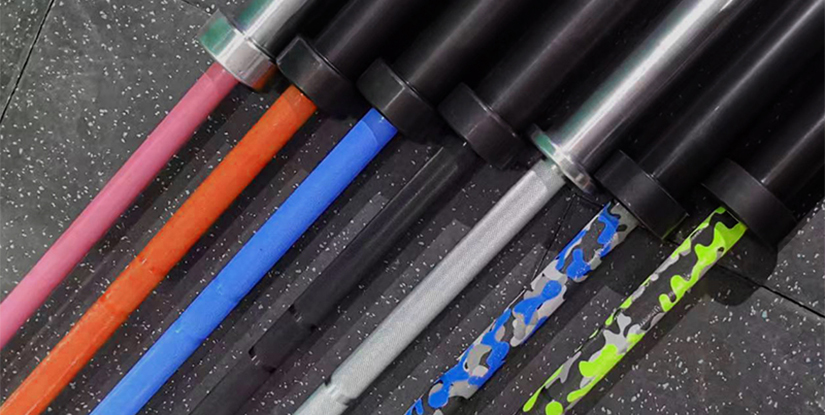
Facility managers often encounter a subtle but destructive problem: the gradual degradation of weight plate integrity. When utilizing Rubber Bar Weights, the most common failure mode is not immediate structural collapse, but rather the progressive loss of density and surface cohesion. This degradation leads to uneven weight distribution, increased impact noise, and potential damage to the underlying gym flooring. Understanding the mechanics of rubberized weight components is essential for maintaining a high-performance training environment.
Material Composition and Density Discrepancies
The integrity of any rubber-coated weight relies heavily on the quality of the polymer blend used during manufacturing. A frequent pain point for commercial operators is the discovery of 'hollow' or inconsistent density within the plates. This occurs when the ratio of virgin rubber to recycled crumb rubber is poorly managed, resulting in air pockets or non-uniform compaction.
To ensure long-term durability, operators must differentiate between high-density vulcanized rubber and lower-grade injection-molded alternatives. The mechanical advantage of high-density rubber lies in its ability to maintain a consistent Shore hardness rating even under repeated heavy impacts. If the density is inconsistent, the center of gravity within the plate shifts during high-velocity movements, creating an unbalanced load on the barbell.
Identifying Density Irregularities
- Visual Inspection: Look for surface pitting or uneven textures that suggest internal voids.
- The Tapping Test: Gently tap the plate with a non-metallic implement; a hollow or inconsistent acoustic response often indicates density gaps.
- Weight Verification: Check if the weight variance exceeds standard commercial tolerances (typically +/- 1-2%).
Once the material density is verified, the focus must shift to how these weights interact with the barbell shaft and the floor surfaces.
Bumper Plate Durability and Impact Absorption
The transition from high-density material to physical impact is where the true value of Rubber Bar Weights is tested. In high-traffic strength facilities, the primary concern is the kinetic energy transfer from the weight to the floor. If the rubber is too hard, it transmits shock directly to the structural slab; if it is too soft, it suffers from rapid deformation and 'mushy' behavior.
The following table outlines the qualitative performance differences between standard and high-performance rubber formulations used in commercial settings:
| Feature | Low-Grade Recycled Rubber | Premium Vulcanized Rubber |
|---|---|---|
| Shock Absorption | Moderate; high vibration transfer | High; effectively dampens kinetic energy |
| Surface Wear | Prone to chipping and cracking | High abrasion resistance |
| Shore Hardness | Variable and inconsistent | Stable across temperature shifts |
| Impact Noise | High decibel levels | Controlled, low-frequency sound |
Selecting the correct formulation prevents the accelerated wear of both the equipment and the facility's structural assets. However, even the best rubber requires a compatible interface with the barbell itself.
Related reading:
Barbell Interface and Sleeve Friction Management
A common mistake in facility setup is neglecting the relationship between the inner ring of the Rubber Bar Weights and the barbell sleeve. Friction or excessive tightness can lead to poor rotation of the barbell, which significantly increases the torque exerted on the lifter's wrists and the bar's bearing system.
The interface should allow for smooth, consistent rotation. When the inner diameter of the weight plate is too close to the sleeve diameter, the rubber can grip the steel, creating a 'binding' effect. This is often caused by thermal expansion or poor manufacturing tolerances. Operators should verify that there is sufficient clearance for the sleeves to rotate freely even under heavy load.
Verification Checklist for Sleeve Rotation
- Rotation Check: Spin the barbell sleeve while a single plate is loaded; observe any hesitation or binding.
- Diameter Tolerance: Ensure the inner diameter of the plates matches the specified sleeve size (e.g., 50mm or 2-inch) with standard clearance.
- Surface Smoothness: Inspect the inner ring of the rubber weight for any protruding rubber bits that could snag the sleeve.
Ensuring a smooth interface protects the mechanical longevity of the barbell, setting the stage for proper floor-load management.
Related reading:
Floor Load Stress and Impact Mitigation
While the rubber coating provides a layer of protection, it is not a substitute for a comprehensive gym flooring solution. The weight of the Rubber Bar Weights, combined with the downward force of a drop, creates immense localized stress. A primary failure in many facilities is the lack of sufficient sub-floor damping, leading to cracked concrete or damaged sub-flooring.
Operators must calculate the potential 'dynamic load' rather than just the 'static weight.' A 20kg plate dropping from a height of one meter generates a force far exceeding its static mass. The goal is to create a system where the rubber of the weight and the rubber of the floor work in tandem to dissipate energy.
Recommended Layering for Impact Zones
To prevent long-term structural damage, implement a multi-layered approach in heavy lifting zones:
| Layer Type | Function | Implementation Detail |
|---|---|---|
| Primary Impact Layer | Direct absorption | High-density (min 15mm-20mm) rubber mats |
| Secondary Damping Layer | Vibration reduction | ext de: Sub-floor vibration isolation pads|
| Structural Foundation | Load distribution | Level, reinforced concrete slab |
By managing the vertical energy transfer, you protect the facility's longevity and prepare the equipment for its long-term maintenance cycle.
Related reading:
Preventative Maintenance and Surface Inspection
Consistent maintenance is the only way to extend the service life of professional-grade Rubber Bar Weights. A common oversight is treating these items as 'set and forget' equipment. In reality, rubber is a biological-adjacent material that reacts to environmental factors such as UV exposure, temperature fluctuations, and chemical exposure.
The primary enemy of rubber density is heat and UV radiation. If weights are stored near large windows or in non-climate-controlled areas, the polymer chains can break down, leading to 'chalking' or a brittle texture. This increases the risk of the rubber cracking and shedding debris onto the gym floor.
Routine Inspection Schedule
Facility managers should implement a quarterly inspection routine to catch failures before they become safety hazards:
- Quarterly: Visual check for surface cracks, discoloration (sign of UV damage), or 'chalking' effects.
- Bi-Annually: Check the inner ring diameter for any signs of deformation or irregular wearing.
- Annually: Complete weight audit to ensure plates have not lost significant mass due to extreme environmental exposure.
Keeping a detailed log of these inspections provides a historical record that can justify procurement decisions when equipment eventually reaches the end of its lifecycle.
Related reading:
Common Operational Errors in Weight Management
Even with high-quality equipment, poor operational habits can lead to premature failure. One of the most frequent errors observed in commercial gyms is the use of cleaning chemicals that are incompatible with rubber. Harsh degreasers or petroleum-based solvents can strip the essential oils from the rubber, causing it to harden and crack prematurely.
Another significant error is improper storage. Stacking Rubber Bar Weights in high, unstable piles or leaning them against walls without proper support can lead to permanent shape deformation. This is particularly true for plates with a high degree of elasticity in their current design. If a plate is stored under constant pressure in a warm environment, its ability to return to its original shape (elastic memory) is diminished.
Avoiding Surface Degradation
To maintain the professional aesthetic and functional integrity of your equipment, adhere to these cleaning and storage standards:
- Approved Cleaners: Use only mild soap and water or specialized, pH-neutral rubber cleaners.
- Storage Protocol: Store plates in dedicated weight trees or flat-lying racks to prevent deformation.
- Climate Control: Ensure the lifting area and storage room remain within a consistent temperature range to prevent thermal expansion/contraction cycles.
By mastering these operational details, you ensure that your investment in high-quality training tools continues to deliver value for years.
Future-Proofing Your Equipment Procurement
As the fitness industry evolves toward more specialized training, the requirements for Rubber Bar Weights are becoming increasingly sophisticated. When planning for future expansions, facility operators should look beyond the immediate cost-per-unit and evaluate the total cost of ownership (TCO). This includes the long-term durability of the rubber, the ease of cleaning, and the compatibility with various floor types.
The industry is moving toward more sustainable, high-performance elastomers that offer better environmental resistance and a lower carbon footprint. Investing in equipment that meets these higher standards now will reduce the frequency of replacement cycles and the associated labor costs of upgrading a facility. Always prioritize equipment that demonstrates a high degree of technical specification documentation, such as Shore hardness ratings and material composition certificates.
With a clear understanding of material science and operational best practices, you are now equipped to manage, maintain, and optimize your weight training assets effectively.