
Commercial Weight Machines—What to Consider for Longevity and Performance
Structural Integrity and Frame Engineering Standards
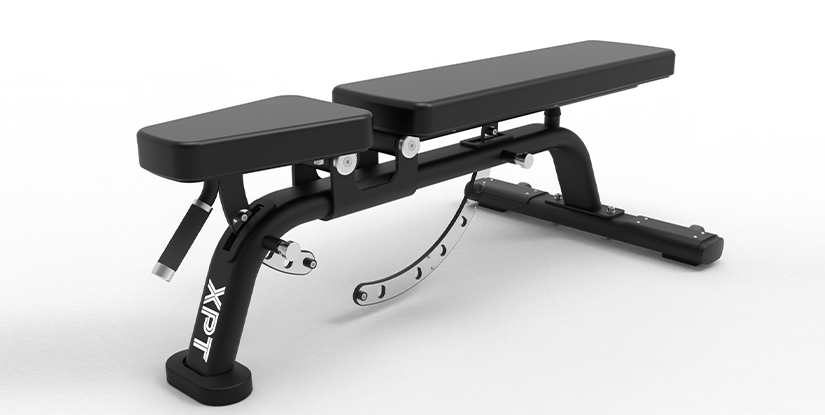
The primary failure mode in high-traffic fitness environments is not user error, but structural fatigue resulting from suboptimal frame construction. When selecting commercial weight machines, the most common mistake is prioritizing aesthetic design over gauge thickness and weld quality. A frame that appears robust but lacks high-tensile steel reinforcement will eventually develop micro-fractures at high-stress pivot points, leading to catastrophic failure during heavy loading.
Material Selection and Gauge Thickness
Professional procurement specialists must look beyond the paint job to the underlying metallurgy. Commercial-grade equipment typically utilizes heavy-duty steel tubing with specific wall thicknesses to ensure lateral stability. When evaluating a machine, you must verify the steel gauge used in the primary uprights versus the secondary stabilizer bars.
| Component Type | Standard Specification | Failure Indicator |
|---|---|---|
| Primary Load-Bearing Frame | Minimum 11-gauge steel | Visible bowing or paint cracking |
| Secondary Support Braces | 14-gauge steel | Vibration during weight shifts |
| Adjustment Pins | Hardened steel construction | Bending or shearing under load |
| Base Plate Footing | High-density rubberized steel | Unintended movement or 'walking' |
A machine with inferior steel density will suffer from 'frame flex,' which alters the resistance curve mid-repetition, potentially causing user injury. By verifying the gauge thickness and the presence of reinforced gussets at joints, an operator can ensure the machine maintains its intended geometry over years of service. This structural foundation is the prerequisite for understanding the more complex mechanical systems that reside within the frame.
Mechanical Transmission and Cable Durability
Once the frame is secured, the focus shifts to the internal transmission systems—the cables, pulleys, and weight stacks. A frequent technical oversight involves ignoring the coefficient of friction within the pulley system. If the pulleys are not constructed from high-density polymers or precision-machured aluminum, the resulting friction creates uneven resistance, which translates to a 'jerky' user experience and accelerated cable fraying.
Pulley System Mechanics and Lubrication
The relationship between the pulley diameter and the cable tension is critical. A smaller pulley diameter increases the bending stress on the cable, drastically shortening its operational lifespan. Operators should prioritize machines that utilize large-diameter pulleys to distribute tension more evenly.
- Material: Look for high-density, UV-resistant polymers or aerospace-grade aluminum.
- Bearing Type: Precision ball bearings are superior to simple bushings for long-term smooth operation.
- Maintenance Requirement: Regular cleaning of the pulley groove is essential to prevent debris buildup.
A common failure occurs when users attempt to use a machine with a frayed cable; this is often a sign of inadequate pulley-to-cable ratio optimization. Ensuring the transmission components are rated for continuous high-cycle use will prevent unplanned downtime. With the transmission mechanics understood, we can now examine the critical importance of the weight stack's alignment.
Weight Stack Dynamics and Selector Pin Precision
The vertical movement of the weight stack is the heart of the resistance profile. In many inferior machines, weight stacks experience 'stack bounce' or misalignment, which causes the weight to strike the guide rods during rapid eccentric movements. This impact can damage the guide rods, leading to a permanent loss of smoothness in the machine's movement.
Guide Rod Specifications and Tolerances
The guide rods must be perfectly vertical and highly polished. Even a slight deviation in the verticality of the rods can cause the weight stack to tilt, creating uneven wear on the bushings and increasing the risk of jamming. When inspecting new equipment, check for the smoothness of the descent across the entire range of motion.
- Verification Step: Move the stack through its full range of motion at high speed to check for rhythmic 'knocking' or contact with the rods.
- Failure Mode: If the stack feels heavier at the top than at the bottom, the guide rod friction is likely inconsistent.
Maintaining this alignment requires consistent inspection of the selector pin and the weight stack bushings. A worn bushing is often the root cause of stack oscillation. Understanding how these weights move leads directly to the necessity of scrutinizing the upholstery and contact points where the user interacts with the machine.
Upholstery Integrity and User Interface Ergonomics
While mechanical components handle the load, the upholstery and contact points manage the user's physical interface with the machine. A common operational headache is the rapid degradation of seat pads and backrests. In high-traffic environments, standard vinyl often fails due to perspiration-induced chemical breakdown and mechanical compression.
Material Selection for Contact Points
High-performance commercial machines use high-density foam cores wrapped in medical-grade, antimicrobial vinyl. This setup ensures that even after thousands of repetitions, the foam retains its shape and does not bottom out, which would otherwise cause discomfort and improper user posture.
| Feature | Low-Grade Specification | Commercial-Grade Specification |
|---|---|---|
| Upholstery Material | Standard PVC Vinyl | Antimicrobial, high-tensile PU/Vinyl |
| Foam Density | Soft, low-density sponge | High-density, non-compressing foam |
| Stitching Type | Standard single-stitch | Reinforced, heavy-duty industrial thread |
| Adjustment Knobs | Plastic, low-torque | Metal or high-impact composite |
If a seat becomes too soft, the user's pelvic alignment shifts, which can lead to lower back strain. This is not just a comfort issue; it is a mechanical alignment issue. Proper ergonomic design ensures that the machine's resistance path aligns with the human anatomical path. Once the user interface is verified, the focus must move to the critical safety aspect of the machine's operational environment.
Safety Protocols and Environmental Compliance
The safety of the operator is inextricably linked to how the machine is installed and maintained. A major mistake in machine layout is failing to account for the 'footprint' of the machine during its full range of motion. A machine might fit in a space when static, but the moving parts—such as an extended barbell or a swinging lever—could strike an adjacent machine or a user.
Operational Clearance and Load Distribution
Facility managers must implement strict clearance zones. Beyond physical space, safety also involves the electrical and environmental conditions of the room. High-performance machines often require stable, level flooring to prevent torque-induced tilting during heavy lifts.
- The Clearance Test: Physically move every lever and weight stack through its absolute maximum range of motion to ensure no collisions with walls or other units.
- The Leveling Requirement: Use a spirit level to check the machine's base; an unlevel machine places uneven torque on the frame and increases the risk of bolt loosening.
Safety management extends beyond the initial installation; it requires a systematic approach to upkeep. This brings us to the vital practices of equipment longevity management.
Preventative Maintenance and Lifecycle Management
To maximize the return on investment (ROI) for commercial weight machines, one must transition from reactive repairs to a proactive maintenance culture. Relying on a 'fix-it-when-it-breaks' model leads to higher long-term costs and increased safety risks. A structured maintenance schedule is the only way to preserve the precision of the mechanical and structural components discussed previously.
The Three-Tiered Inspection Model
A professional facility should implement a tiered inspection strategy to catch failures before they manifest as downtime.
- Tier 1: Daily Visual Checks (Staff Level) - Look for frayed cables, loose bolts, or worn upholstery.
- Tier 2: Weekly Functional Tests (Maintenance Level) - Test the full range of motion for smoothness and check the lubrication of all pulleys.
- Tier 3: Quarterly Technical Audits (Specialist Level) - Verify bolt torque specifications, check guide rod verticality, and inspect all load-bearing welds for stress fractures.
By adhering to these tiers, the operator can move from being a victim of equipment failure to a master of facility uptime. This level of oversight ensures that the investment in high-quality machines remains a long-term asset rather than a recurring liability.
Optimizing Machine Longevity Through Environmental Control
While internal components are critical, the external environment plays a massive role in the degradation rate of commercial equipment. Humidity, temperature fluctuations, and airborne particulates can all contribute to premature failure if not strictly managed.
Environmental Impact and Mitigation
High humidity levels can lead to oxidation on exposed metal parts and can degrade the integrity of nylon pulleys and cables over time. Similarly, dust and skin cells from heavy usage can enter the pulley housings, creating abrasive particles that accelerate wear.
- Control Parameter: Maintain a stable humidity level (ideally between 30-50%) to prevent both oxidation and excessive drying of synthetic parts.
- Common Mistake: Using liquid-based cleaners directly on the mechanism, which can seep into bearings and cause corrosion or strip away essential lubricants.
Managing these external variables ensures that the high-spec mechanical systems you have invested in function at their peak performance for the longest possible duration.