
Benefits of Partnering with a Custom Gym Equipment Manufacturer
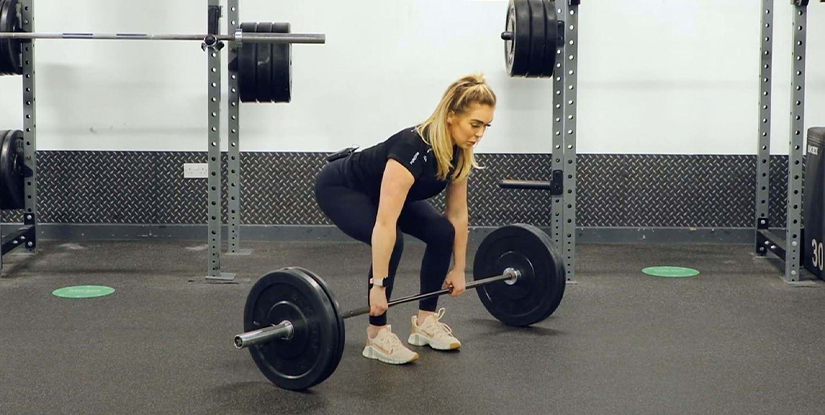
Facility operators often face a frustrating dilemma: choosing between off-the-shelf equipment that limits spatial efficiency or high-end brands that command prohibitive premiums without meeting specific training needs. This disconnect typically arises when a facility's unique footprint or brand identity is forced to conform to a standardized catalog. When a gym is designed around a specific aesthetic or a specialized training modality—such as high-intensity functional training or specialized physical therapy—generic solutions often result in suboptimal user experiences and inefficient square footage utilization. Understanding the technical and economic benefits of a custom approach is the first step in mitigating these long-term operational risks.
Mitigating Spatial Constraints through Bespoke Structural Engineering
The primary friction point for facility managers is the mismatch between standardized equipment dimensions and non-traditional floor plans. A custom manufacturing approach solves this by treating the equipment as an integrated architectural component rather than a standalone unit. By adjusting the footprint, height, and connectivity of machines, operators can maximize the number of training stations without sacrificing safety or movement range.
Optimizing Footprint and Machine Connectivity
Custom manufacturing allows for the creation of modular systems that can be scaled to fit specific dimensions. For instance, instead of placing three separate functional trainers, a manufacturer can design a single integrated station that utilizes a continuous rail system. This reduces the 'dead space' between machines and allows for better traffic flow. When evaluating a custom partner, verify if they can provide CAD-based layout integration to ensure that your equipment fits precisely within your building's structural columns or ceiling heights.
| Feature Dimension | Standardized Equipment Impact | Custom Engineering Advantage |
|---|---|---|
| Footprint Ratio | Fixed; creates unused gaps between units. | Optimized; modular components fit specific zones. |
| Ceiling Clearance | Limited by standard upright heights. | Adjustable; tailored to specific loft or low-ceiling environments. |
| Modular Integration | Disconnected units; high visual clutter. | Unified stations; cohesive aesthetic and functional flow. |
Securing the right dimensions is only the first step; the integrity of these customized structures relies heavily on the specific material grades selected during the design phase.
Material Selection and Durability Standards for High-Traffic Environments
When moving from standard catalogs to custom orders, the risk of unexpected material failure increases if the manufacturing specifications are not strictly controlled. A custom partner does not just change the shape; they provide the ability to specify the exact grade of steel, the thickness of the plating, and the quality of the upholstery to match the anticipated intensity of use.
Steel Gauge and Structural Integrity Specifications
A common mistake in procurement is failing to specify the gauge of steel used in heavy-duty racks. While standard commercial equipment might use 11-gauge steel, a custom manufacturer can elevate this to 7-gauge or even 10-gauge for high-impact zones. This decision directly affects the machine's lifespan and the safety of the user. Operators should demand transparency regarding the tensile strength of the steel and the precision of the weld joints to prevent structural fatigue over time.
Upholstery and Surface Finish Durability
Surface wear is a leading cause of equipment depreciation. Customization allows for the selection of high-density foam, reinforced stitching, and antimicrobial coatings that are specifically designed for the facility's local climate and user demographic. For example, high-humidity environments require specific powder coating thicknesses to prevent oxidation. Verifying the micron thickness of powder coatings can prevent premature peeling and rust issues.
Once the materials are finalized, the manufacturing process moves into the critical phase of structural fabrication and assembly.
Explore the complete technical specifications:
The Lifecycle of Custom Fabrication: From CAD to Finished Product
The manufacturing process for custom equipment is significantly more rigorous than mass-production lines because every unit undergoes a unique verification path. The transition from a digital design to a physical machine involves several high-precision steps where small errors can lead to massive mechanical failures.
Phase 1: Digital Prototyping and Stress Simulation
The process begins with advanced Computer-Aided Design (CAD). Unlike mass production, custom manufacturing utilizes Finite Element Analysis (FEA) to simulate how the machine will react to extreme weight loads and repetitive motion. This step identifies potential weak points in the geometry before a single piece of steel is cut, effectively solving the problem of mechanical fatigue during the design phase.
Phase 2: Precision Cutting and Welding Processes
Following the digital approval, the raw materials undergo CNC laser or plasma cutting. Precision is paramount here; a deviation of even a few millimeters in a structural component can lead to uneven weight distribution or mechanical friction. The welding phase follows, where high-strength MIG or TIG welding is used. A critical checkpoint for any buyer is to request documentation on the welding standards used, as poor weld penetration is a frequent cause of catastrophic failure in lower-tier manufacturing.
With the physical structure completed, the focus shifts to the final layers of protection and aesthetic refinement.
Explore the complete technical specifications:
Surface Finishing and Long-Term Maintenance Protocols
A high-quality finish is not merely about aesthetics; it is a functional barrier against wear and corrosion. The process of applying finishes to custom steel components requires strict environmental control to ensure adhesion and durability. Failure in this stage often results in chipped paint or rusted frames, which can compromise both the look of the facility and the structural integrity of the machine.
Advanced Powder Coating and Electrostatic Application
Custom manufacturers often utilize multi-stage electrostatic powder coating. This process ensures that the coating penetrates even the most complex angles of a custom-designed frame. A key decision criterion for buyers is the type of coating: textured powder coatings are often superior for high-use areas as they mask minor scratches and provide better grip. Operators should check if the manufacturer uses an electrostatic application, as this ensures a more uniform thickness and higher resistance to impact.
Maintenance Scenarios and Verification Checklists
Even the highest quality custom equipment requires a disciplined maintenance regimen. Because custom machines may have unique moving parts or specialized bearings, standard maintenance manuals may not suffice. It is essential to establish a facility-specific maintenance schedule during the procurement phase.
| Maintenance Component | Typical Failure Mode | Verification Step for Operators |
|---|---|---|
| Bearing Assemblies | Seized or noisy movement due to lack of lubrication. | Monthly tactile inspection for smooth rotation and resistance. |
| Upholstery Seams | Tearing or moisture ingress in high-sweat areas. | Weekly visual check for discoloration or loose stitching. |
| Structural Bolts | Vibration-induced loosening in high-impact zones. | Quarterly torque testing using a calibrated wrench. |
Understanding these maintenance nuances ensures that the custom investment continues to yield a high return on investment through extended equipment longevity.
Explore the complete technical specifications:
Strategic ROI: Balancing Customization Costs with Long-Term Value
A common misconception is that custom gym equipment is an unnecessary expense. However, when viewed through the lens of total cost of ownership (TCO), the custom approach often provides a more favorable economic outcome than the frequent replacement of substandard generic equipment. The initial higher capital expenditure is offset by reduced downtime and extended replacement cycles.
Operational Efficiency and Brand Differentiation
For commercial operators, the equipment is a part of the brand. Standardized equipment makes a facility look identical to its competitors. Customization allows a facility to create a proprietary training experience—for example, a specialized strength platform that is only available at their location. This differentiation is a powerful tool for member retention and premium pricing models. Furthermore, custom layouts maximize revenue-generating square footage that would otherwise be lost to inefficient machine spacing.
Mitigating the Risks of Obsolescence
The fitness industry moves quickly, with new training trends emerging every few years. A custom manufacturer provides a way to future-proof a facility. By designing modular systems, an operator can upgrade specific components or add new attachments to existing frames rather than replacing entire machines. This flexibility reduces the long-term cost of keeping the facility modern and competitive.
As the industry shifts toward more specialized and high-performance training, the ability to work with a specialized manufacturing partner becomes a critical competitive advantage.
Technical Verification: Evaluating a Manufacturing Partner's Capability
The final stage of the procurement process is the rigorous evaluation of a potential manufacturer's technical depth. Many companies claim to offer customization, but few possess the engineering infrastructure to execute it reliably. A professional buyer must move beyond the sales catalog and look at the actual manufacturing capabilities.
Questions to Ask During the Procurement Audit
When vetting a partner, it is vital to ask questions that reveal their technical sophistication. A manufacturer that can only offer color changes is not a true custom partner. You should inquire about their ability to modify mechanical geometries and their level of integration with CAD/CAM software. A robust answer will include details about their testing protocols, material sourcing, and quality control checkpoints.
- Do you provide FEA (Finite Element Analysis) reports for custom structural designs?
- What are your standard tolerances for CNC-cut components?
- Can you provide material certifications for the steel gauges used in my order?
- How do you manage quality control for custom-welded joints?
- What is your process for integrating custom dimensions into existing product lines?
By focusing on these technicalities, operators can transition from being mere purchasers to becoming strategic partners in the development of a world-class fitness environment.
Global Logistics and Installation Oversight
Procuring custom equipment often involves complex logistics that go beyond standard domestic shipping. Because custom pieces may arrive in larger, non-standardized dimensions or require specific assembly sequences, the logistical planning must be as precise as the initial CAD design. A failure in the logistics phase can lead to installation delays that push back a facility's grand opening or disrupt operational schedules.
Shipping Configuration and Specialized Packaging
Standardized equipment can often be shipped in generic crates, but custom-engineered machines require specialized packaging to prevent damage to unique geometries. For example, a custom-built multi-station unit may have cantilevered arms that are particularly vulnerable to vibration during transit. A reliable partner will utilize custom-built wooden crates or reinforced pallet systems. When reviewing quotes, check if the shipping includes structural bracing for long-distance or international transit to ensure parts arrive without misalignment.
On-Site Installation and Calibration Checklists
The final hurdle is the on-site assembly. Since custom equipment may not follow the standard 'plug-and-play' assembly of consumer-grade machines, specialized tools and highly skilled technicians are often required. It is a common mistake to assume that a standard handyman can install a bespoke modular station. During the negotiation phase, ensure you understand the level of technical support provided during installation. Use the following checklist to verify readiness upon machine arrival:
- Bolt Torque Verification: Ensure all structural fasteners meet the specified Newton-meter (Nm) requirements.
- Leveling & Alignment: Confirm that all cantilevered or vertical elements are perfectly plumb to prevent uneven wear on bearings.
- Movement Calibration: Test the range of motion for all moving parts to ensure there is no unexpected friction at the extreme ends of the stroke.
- Surface Inspection: Verify that no transit-induced scratches or chipping occurred during the unboxing process.
Successful oversight of these final stages guarantees that the precision engineered in the factory is successfully translated to your facility floor.