
Adding Variety with Functional Training Accessories: A Technical Implementation Guide
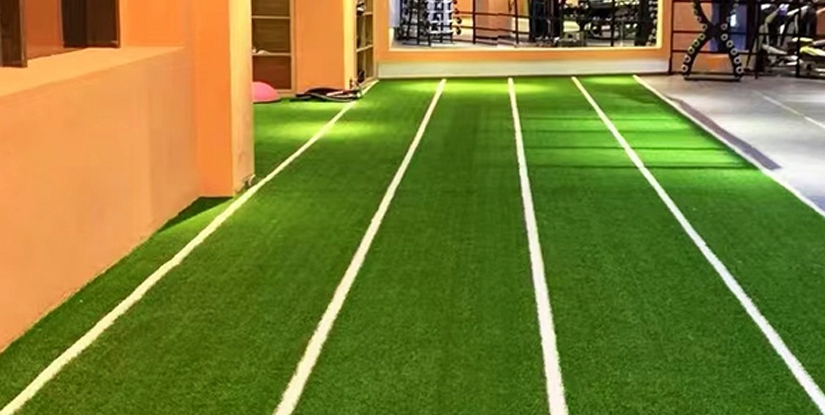
Modern fitness environments are no longer defined solely by static weight machines. To meet the demands of a diverse clientele, facility managers must focus on adding variety with functional training accessories. This transition requires more than just purchasing new items; it necessitates a technical understanding of how these tools integrate into a safe, high-performing ecosystem. This guide explores the mechanical, operational, and spatial considerations required for a professional-grade implementation.
The Paradox of Equipment Oversupply
In the pursuit of variety, many facilities fall into the trap of over-purchasing uncoordinated tools. While adding variety with functional training accessories is beneficial, an unmanaged surplus leads to operational chaos and safety risks. A successful facility manages the balance between specialized movement tools and the usable floor space available.
Decision Criteria for Procurement:
- Versatility Ratio: How many distinct movement patterns (push, pull, squat, hinge, rotation) can one accessory address?
- Storage Footprint: Does the accessory require a dedicated rack, or can it be stowed in a modular bin?
- User Skill Ceiling: Is the tool accessible for beginners but also challenging enough for advanced athletes?
Common Failure Mode: Overloading a single functional zone with too many low-quality, non-standardized items, leading to a cluttered environment where users trip over abandoned gear. Before expanding your inventory, one must understand the fundamental categories of resistance and stability.
Categorizing Resistance Modalities
Functional training relies heavily on variable resistance. Unlike a barbell, which provides constant resistance, accessories like elastic bands and pneumatic-style resistance tools change the load profile throughout the range of motion. Understanding these differences is critical for programming and safety.
Resistance Comparison Matrix:
| Modality | Load Profile | Primary Benefit | Common Mistake |
|---|---|---|---|
| Elastic Bands | Ascending (Increases at end-range) | Variable tension/Speed training | Over-stretching beyond safety limit |
| Weighted Balls | Constant (Gravity-dependent) | Dynamic power/Impact training | Using on hard surfaces (damage risk) |
| Sand/Fluid Bags | Unstable/Shifting center of mass | Core stability/Proprioception | Incorrect weight distribution |
Once the resistance types are identified, the next step is selecting the most robust systems for stability and suspension.
Explore the complete technical specifications:
Selection Criteria for Suspension and Stability Systems
Suspension trainers and stability platforms are the cornerstone of modern functional training. However, their effectiveness is entirely dependent on the quality of the anchor points and the tension of the components. When adding variety with functional training accessories, do not compromise on the mechanical integrity of the suspension system.
Technical Implementation Details:
- Anchor Point Strength: Ensure all mounting hardware is rated for 'dynamic load' (the force of a person moving/swinging) rather than just 'static load' (the weight of the person).
- Fabric Durability: For suspension straps, check the density of the nylon weave to prevent fraying under high-frequency use.
- Adjustment Speed: Select systems with rapid-adjust buckles to minimize downtime between different user sessions.
Failure Mode: Installing high-tension suspension gear on a non-structural component, such as a decorative beam or a thin-walled extrusion, which can lead to catastrophic structural failure during use.
With the core hardware selected, the focus must shift to how these tools are maintained over time.
Explore the complete technical specifications:
Operational Maintenance and Safety Inspection Protocols
Functional accessories are often 'soft goods' (straps, bands, balls) that lack the heavy-duty durability of steel machines. Therefore, a rigorous inspection protocol is mandatory to prevent injury and ensure longevity.
Daily/Weekly Inspection Checklist:
- Visual Inspection (Bands): Check for micro-tears, discoloration, or surface whitening (a sign of material fatigue).
- Touch Test (Straps): Run hands along nylon webbing to feel for fraying or 'fuzzy' patches that indicate structural degradation.
- Impact Check (Balls): Squeeze medicinal or slam balls to ensure there are no internal leaks or structural cracks in the outer shell.
- Anchor Integrity: Verify that all bolts and mounting brackets remain tightened to the specified torque.
Common Mistake: Treating elastic bands like permanent fixtures. If a band shows any sign of loss in elasticity or visible surface nicks, it must be decommissioned immediately.
Consistent maintenance ensures that the variety you add remains a functional asset rather than a liability.
Explore the complete technical specifications:
How to Pair Weight Plates with Resistance Bands | Expert Guide
Understanding Material Fatigue in Elastic and Soft Goods
Material fatigue is the silent killer of functional training equipment. Unlike a steel weight plate, an elastic band or a foam roller undergoes constant deformation. This deformation leads to molecular changes that eventually result in failure.
Factors Accelerating Degradation:
- UV Exposure: Sunlight breaks down polymer chains in elastic and high-density foam.
- Chemical Exposure: Improper cleaning with harsh, non-neutral detergents can degrade the texture and strength of synthetic fibers.
- Temperature Fluctuations: Storing gear in non-climate-controlled environments makes elastic more brittle over time.
To mitigate these risks, implement a 'First-In, First-Out' (FIFO) rotation system for consumables, ensuring older stock is used before newer arrivals. Managing the physical life of these items is only part of the challenge; you must also manage the space they occupy.
Explore the complete technical specifications:
Optimizing Floor Layout for Accessory Integration
A cluttered gym is an inefficient gym. When adding variety with functional training accessories, the spatial design must account for the 'operational radius' of each tool. A user using a kettlebell requires much less space than a user performing a lateral movement with a suspension trainer.
Floor Layout Parameter Ranges:
- Minimum Clearance: A minimum of 2 meters (approx. 6.5 feet) of unobstructed radius is recommended for most suspension-based movements.
- High-Impact Zones: Place weighted balls and heavy bags in areas with reinforced or high-impact flooring to prevent damage to the subfloor.
- Storage Zones: Dedicate vertical space (wall-mounted racks) for lighter accessories to keep the floor clear of tripping hazards.
Common Mistake: Placing functional zones directly adjacent to heavy lifting racks without a buffer. The swinging of a strap or the bounce of a medicine ball can easily interfere with a user performing a heavy squat or deadlift.
Effective layout management leads directly to a higher return on your equipment investment.
The Long-Term ROI of Functional Diversification
The ultimate goal of adding variety with functional training accessories is to drive member engagement and long-term retention. While these tools may seem like 'extras,' they provide the versatility that modern athletes crave.
Calculating the ROI of Accessory Upgrades:
- Member Retention: Track if the introduction of new training modalities correlates with higher class attendance or personal training session frequency.
- Versatility per Square Foot: Calculate the number of different workouts possible in a single functional zone with and without the new accessories.
- Replacement Cycle Cost: Factor in the annual cost of replacing 'soft goods' (bands/straps) against the lifespan of the core structural equipment.
By viewing these accessories as essential components of a technical system rather than mere add-ons, facility operators can ensure a sustainable and profitable growth model.