
A Procurement Checklist for Commercial Fitness Facilities
Material Integrity and Structural Engineering Standards
When initiating the procurement process, many facility managers focus prematurely on aesthetics or brand reputation, often overlooking the fundamental material science that dictates equipment longevity. A common failure point in commercial fitness procurement is the selection of equipment with insufficient gauge steel or substandard coatings, leading to premature oxidation and structural fatigue. To mitigate this, procurement teams must prioritize the technical specifications of the raw materials used in the manufacturing of strength and cardio machines.
Steel Gauge and Frame Robustness
The structural integrity of a commercial facility is only as strong as its heaviest frames. For strength training equipment, such as power racks and heavy-duty benches, a minimum steel gauge of 11-gauge (approximately 3mm) is the industry benchmark for high-traffic environments. Lower-grade, thinner-walled tubing may appear sufficient during initial inspection but will succumb to torsional deflection under repeated heavy loads. When evaluating a potential order, request the specific steel thickness and the welding method used—full-penetration welds are significantly more durable than tack welds.
Surface Finishes and Environmental Resistance
Beyond the core structure, the quality of the powder coating or upholstery determines the equipment's resistance to environmental factors such as sweat-induced corrosion and UV degradation. A common mistake is neglecting the pH resistance of upholstery materials. High-quality commercial upholstery should feature high-density, closed-cell foam and moisture-resistant synthetic skins that do not degrade when exposed to standard cleaning agents. Verification of these specs requires requesting technical data sheets for the fabric and the chemical composition of the powder coating.
Understanding the base materials provides the necessary foundation for evaluating the mechanical components that drive these machines. Once the frame and finish are secured, the focus must shift to the moving parts and mechanical assemblies.
Mechanical Component Selection and Tolerance Specifications
A robust frame is ineffective if the mechanical interfaces—such as bearings, pulleys, and cables—are of inferior quality. In high-use commercial settings, the friction coefficient of moving parts is a primary indicator of future maintenance costs. If a machine exhibits jerky motion or high resistance during its initial test run, it is likely a sign of poor tolerance or low-grade bearings, which will lead to premature mechanical failure.
Bearing Assemblies and Bushings
For rotational strength equipment, the quality of the bearings is critical. Commercial-grade machines should ideally utilize sealed ball bearings rather than simple bushings to reduce friction and heat buildup. Sealed bearings prevent the ingress of dust and sweat, which are the leading causes of bearing seizure. When auditing a technical spec sheet, look for the mention of "sealed bearing units" or "high-density nylon bushings" as indicators of a more durable build.
Cable Composition and Pulley Systems
Cable-driven machines are particularly susceptible to failure due to fraying or internal wire breakage. A professional procurement checklist should mandate the use of nylon-coated, multi-strand steel cables. The nylon coating serves a dual purpose: it reduces friction on the pulleys and provides a protective barrier against moisture. A common failure mode occurs when users select machines with exposed steel cables, which can quickly unravel under heavy repetitive cycles. Verify that pulleys are constructed from high-density nylon or aluminum rather than lightweight plastic to ensure smooth transitions.
| Component Type | Standard Commercial Grade | High-Performance Spec | Failure Indicator |
|---|---|---|---|
| Frame Steel | 14-Gauge Steel | 11 or 12-Gauge Steel | Visible bending or torsional oscillation |
| Cable Material | Steel with light coating | Multi-strand Nylon Coated Steel | Fraying or visible wire exposure |
| Bearing Type | Open Bushings | Sealed Ball Bearings | Grinding noise or jerky movement |
| Upholstery | Standard Synthetic | Closed-cell High-Density Foam | Bottoming out or surface cracking |
Selecting these mechanical components correctly ensures that the machine functions reliably through its expected lifecycle. However, a high-quality machine is useless if it is improperly integrated into the facility's infrastructure and electrical systems.
Electrical Integration and Digital Interface Reliability
Modern fitness facilities increasingly rely on sophisticated digital interfaces and interconnected cardio equipment. While these features enhance user experience, they introduce a new layer of technical complexity and potential failure. Procurement teams must treat the digital component of a machine with the same scrutiny as the mechanical, focusing on connectivity stability and power requirements.
Circuitry and Power Load Management
One of the most significant, yet overlooked, aspects of commercial procurement is the total electrical load of the cardio fleet. High-end treadmills and elliptical trainers consume substantial power, and a poorly planned electrical layout can lead to frequent circuit trips and electrical surges. It is vital to verify the peak amperage requirements of each unit. A common mistake is assuming standard outlet capacity is sufficient for a dense cardio block. Operators should work with an electrical engineer to ensure that the facility's distribution board can handle the simultaneous peak load of all high-draw machines.
Software Lifecycle and Connectivity Protocols
Digital consoles on modern equipment are essentially computers. When procuring these machines, one must ask about the software update cycle and connectivity protocols (such as Bluetooth, ANT+, or Wi-Fi stability). A device that lacks easy, remote firmware update capabilities will become obsolete much faster. Furthermore, ensure the equipment supports standard connectivity protocols so that users can seamlessly integrate their personal devices, which is a high-priority feature for modern facility members.
Digital Interface Durability
The console itself must be built for the environment. In a commercial setting, touchscreens and buttons are subject to constant contact with moisture and cleaning chemicals. A professional-grade console should be rated for a high IP (Ingress Protection) level to ensure that even with frequent wiping, the internal electronics remain protected from moisture and debris.
Once the electrical and mechanical requirements are met, the next critical step is ensuring the physical layout respects both safety and operational flow.
Explore the complete technical specifications:
Spatial Optimization and Ergonomic Layout Standards
The physical placement of equipment is more than just an aesthetic choice; it is a functional requirement for safety and member retention. Poor layout design leads to collisions, restricted movement, and perceived overcrowding. A rigorous procurement process must include a spatial audit that considers the footprint of each machine plus its required clearance zones.
Clearance Requirements and Safety Buffers
A common mistake in gym design is failing to account for the "dynamic footprint" of an object. While a stationary bike has a fixed footprint, a rower or a heavy dumbbell rack requires significant additional space for user movement and safety. A thorough procurement checklist must include a column for the "operating footprint" versus the "static footprint." This ensures that enough space is left for bystanders to move safely around active users without risk of collision.
Ergonomic Flow and Machine Clustering
Grouping machines by function—such as a dedicated strength zone or a cardio strip—optimizes the user experience and improves facility management. For example, placing high-intensity interval training (HIIT) equipment near heavy free weights can lead to noise disturbances and uneven wear on flooring. When planning the layout, consider the noise decibel levels and vibration profiles of the machines. High-vibration equipment, such as heavy strength platforms, should be positioned over reinforced subflooring to prevent structural resonance throughout the building.
Floor Loading and Surface Interfaces
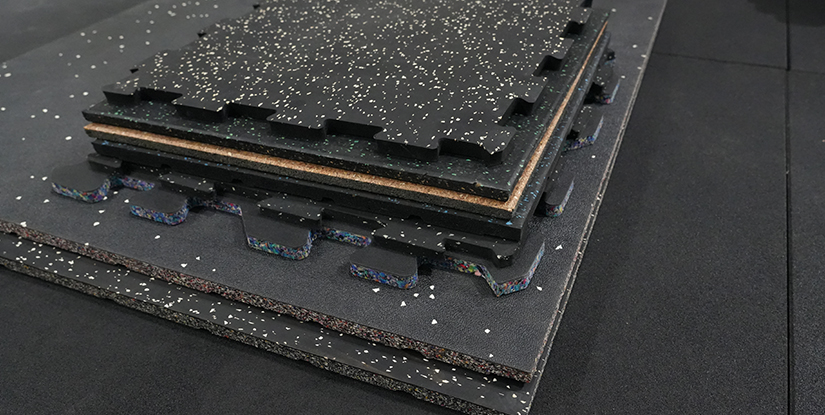
The interaction between the machine and the floor is a critical point of failure. Heavy strength equipment requires specific subfloor preparation to prevent damage to the building's foundation. Verify whether the equipment requires specialized mounting or if it can be used with standard rubber flooring. For cardio machines, especially treadmills, high-impact vibration can damage the floor over time; therefore, procurement should include high-density impact mats to dampen the kinetic energy transfer.
| Zone Type | Required Flooring | Maintenance Focus | Key Layout Parameter |
|---|---|---|---|
| Free Weight Area | High-Impact Rubber (min. 15mm) | Debris removal & denting | Expansion/Contraction clearance |
| Cardio Section | Low-Profile Matting | Ventilation & Heat dissipation | Electrical cord concealment |
| Functional Training | Turf or Multi-density Foam | Surface friction consistency | Dynamic movement radius |
| Yoga/Stretch Area | Non-slip High-density Foam | Surface sanitation | Ambient temperature control |
A well-planned layout provides the context in which the equipment will operate, but the long-term success of the procurement depends on the rigorous maintenance protocols established post-delivery.
Explore the complete technical specifications:
Pre-Delivery Inspection and Commissioning Protocols
The procurement process does not end when the order is placed; it ends when the equipment is successfully commissioned and verified on-site. A common failure mode is the assumption that equipment arriving via a freight carrier is ready for immediate use. Most commercial-grade machines require precise assembly and professional calibration to perform within their technical specifications.
The Arrival Inspection Checklist
Upon delivery, the receiving team must conduct a thorough physical inspection before signing the bill of lading. This is the only opportunity to reject shipments for transit-related damage. The checklist should include: checking for any dents in the steel frames, ensuring all upholstery is free of tears, and verifying that all digital components are intact. If a machine is delivered with a scratched or dented frame, it often signals a lack of care in the shipping process, which may be indicative of lower overall build quality.
Calibration and Performance Verification
Once assembled, each machine must undergo a formal commissioning process. For strength machines, this involves checking the weight stack movement and ensuring there is no friction in the guide rods. For cardio machines, this includes a full diagnostic test of the console, the motor, and the belt tension. If a treadmill belt is too tight or too loose, it will either burn out the motor or slip during use. Operators should perform a "load test" on each piece of equipment, using the maximum weight capacity, to ensure the machine performs as specified by the manufacturer.
The Role of Professional Installation
A significant mistake in commercial procurement is opting for in-house assembly to save on costs. Most commercial-grade machines require specific torque settings for fasteners and electrical grounding that non-specialists often overlook. Professional installation services provide a layer of liability protection and ensure that the manufacturer's warranty remains valid. Always confirm that the installation team is certified to handle the specific mechanical and electrical nuances of the equipment being deployed.
A successful installation is the bridge between procurement and long-term operational excellence. However, even the best equipment will fail without a structured upkeep plan.
Explore the complete technical specifications:
Maintenance and Total Cost of Ownership (TCO) Strategy
The final, and perhaps most critical, phase of a procurement checklist is the development of a long-term maintenance and TCO strategy. Many facility managers fall into the trap of looking only at the initial purchase price, ignoring the inevitable costs of upkeep, parts replacement, and potential downtime. A high-quality machine may have a higher upfront cost, but its long-term TCO is often lower due to increased durability and reduced repair frequency.
Preventative vs. Reactive Maintenance
A reactive maintenance model—fixing things only when they break—is the most expensive way to run a commercial facility. It leads to unexpected downtime, frustrated members, and higher emergency repair fees. Instead, a procurement strategy should mandate a preventative maintenance schedule. This includes routine lubrication of bearings, tensioning of cables, and software updates for digital consoles. When sourcing equipment, ask the supplier for a recommended preventative maintenance schedule and a list of essential consumables (e.g., specific lubricants or replacement belts) to ensure you are prepared for the long term.
Calculating the Total Cost of Ownership
To accurately calculate TCO, procurement teams must account for more than just the invoice price. A comprehensive checklist should include a line item for: estimated lifespan of the machine, projected annual maintenance costs, frequency of consumable replacement, and the cost of potential downtime during repairs. By comparing these long-term figures rather than just the initial quote, you can identify which equipment truly offers the best value for your facility's specific usage levels.
| Expense Category | Example Item | Frequency | Impact on TCO |
|---|---|---|---|
| Consumables | Cables/Upholstery | 12-24 Months | Moderate |
| Preventative | Lubrication/Tension | Monthly/Quarterly | Low/Consistent |
| Mechanical | Bearings/Motors | 3-5 Years | High |
| Digital | Software/Firmware | Annual/As Needed | Low |
By integrating these maintenance and TCO considerations into the initial procurement phase, you ensure that your investment continues to deliver value and reliability throughout its entire operational lifecycle.