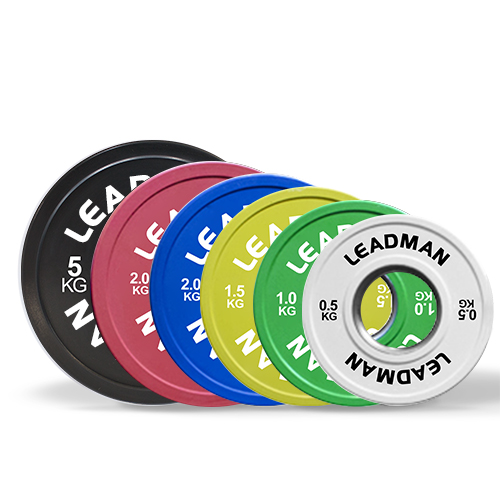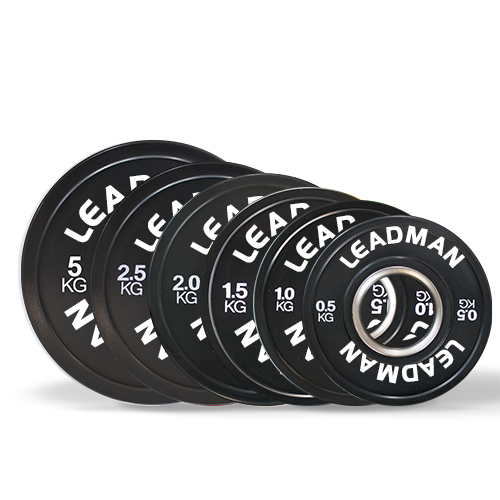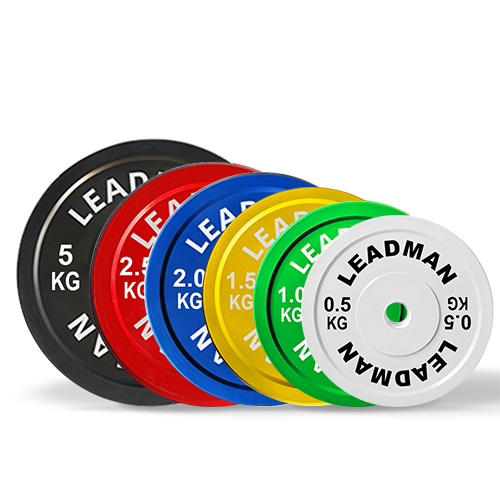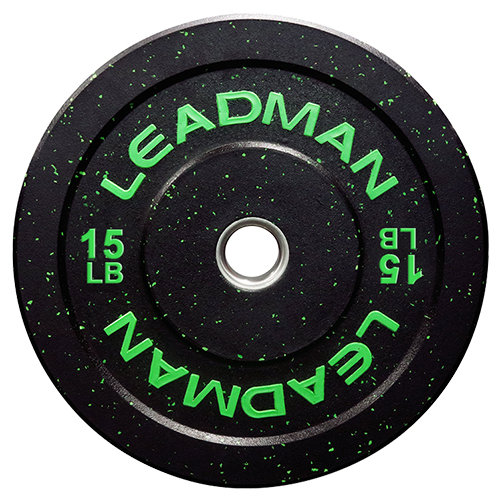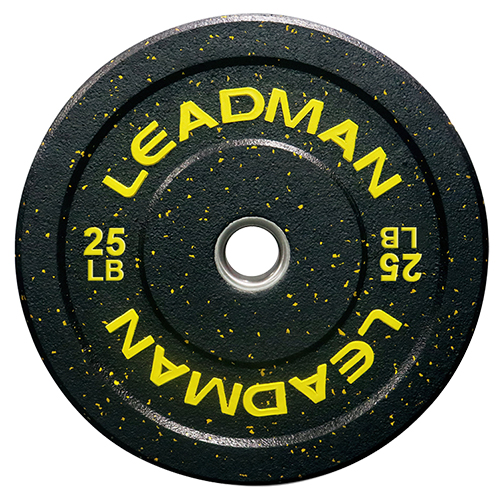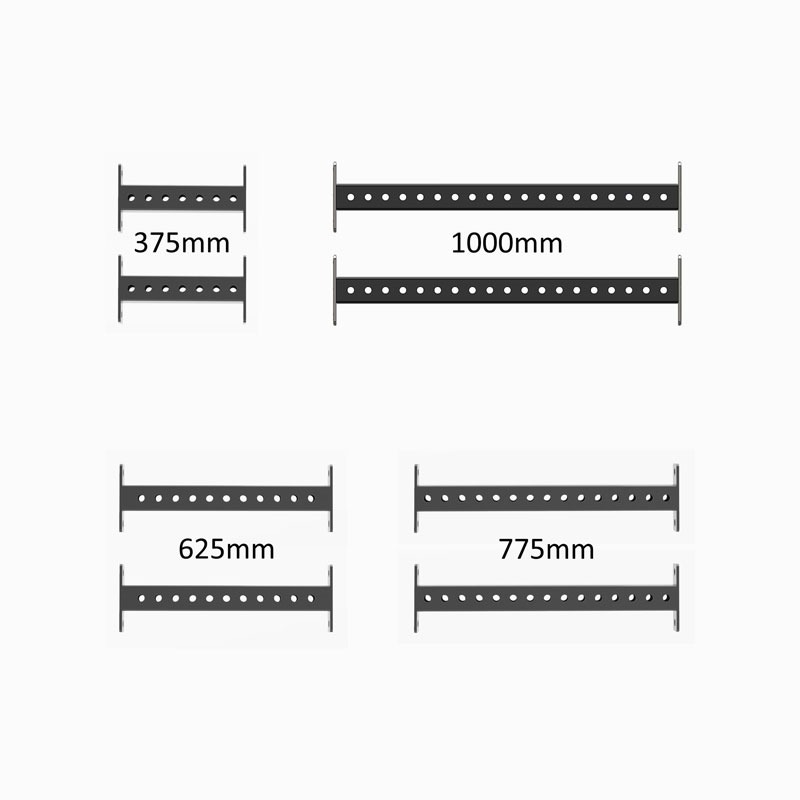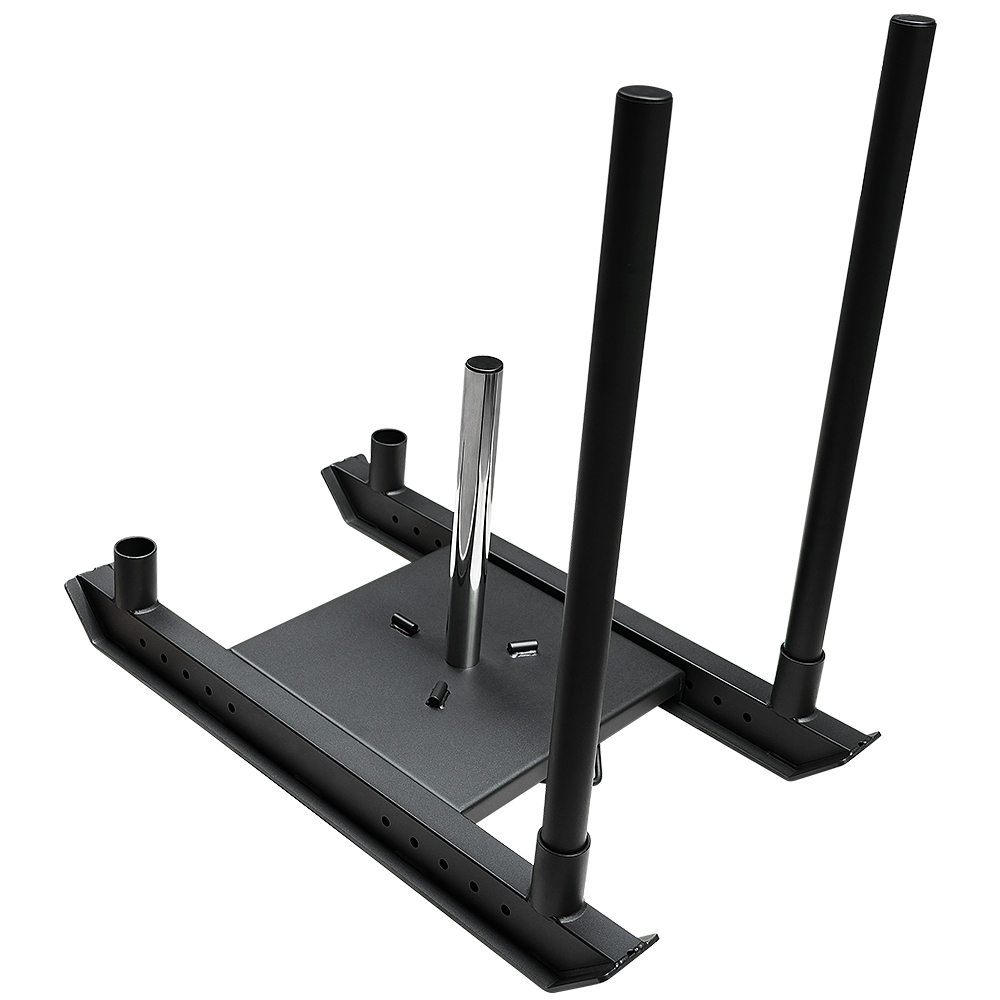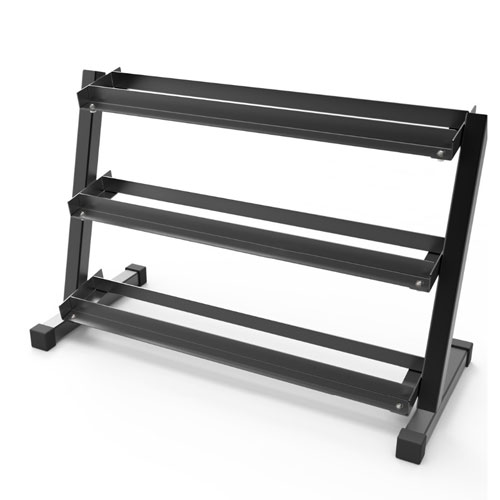
Plate loaded gym machines commercial applications demand a superior level of mechanical engineering, structural integrity, and durability. Unlike selectorized machines, plate-loaded equipment utilizes standard weight plates to provide variable resistance, offering athletes and high-performance trainees a more organic and customizable strength training experience. In professional fitness settings, such as bodybuilding gyms, high-end commercial health clubs, and performance training centers, the demand for robust, high-capacity machinery is paramount.
Core Engineering and Structural Integrity
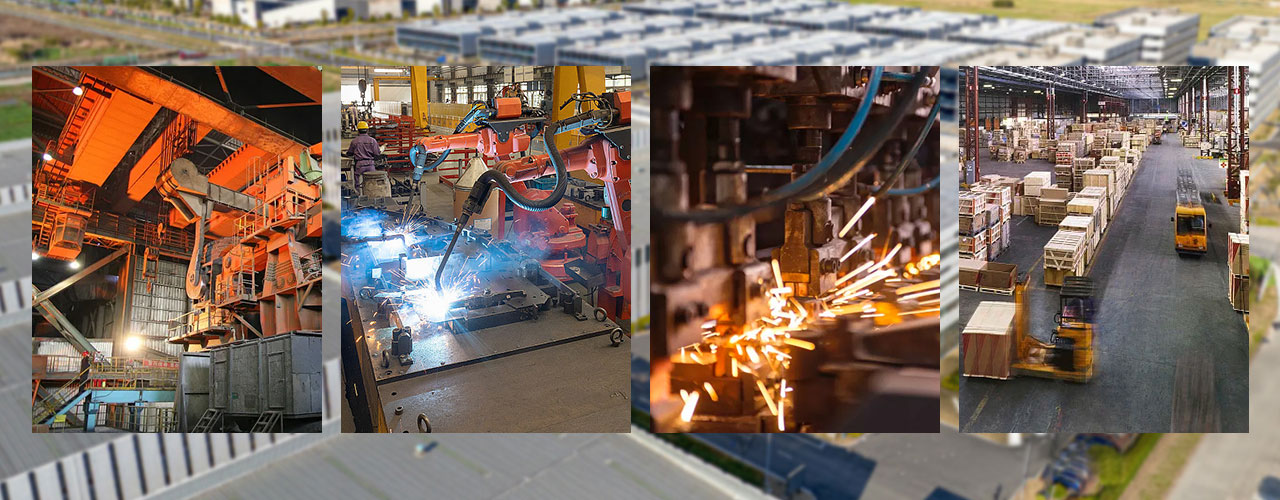
Professional-grade plate loaded equipment is characterized by its heavy-duty steel construction. Manufacturers utilize high-gauge steel tubing and reinforced welding techniques to ensure the chassis can withstand the high-torque and high-impact nature of heavy lifting. Precision bearing systems and high-quality pivot points are critical components that dictate the smoothness of the resistance curve and ensure long-term operational stability under heavy mechanical stress.
Key Procurement Criteria for Commercial Buyers
When sourcing commercial plate loaded machinery, facility owners and procurement officers must evaluate several technical specifications:
Primary Use Cases and Advantages
Plate loaded machines are indispensable for specialized strength training. They are preferred for hypertrophy-focused training and maximal strength development due to the ability to fine-tune weight increments. In a commercial environment, these machines offer a distinct advantage in terms of versatility and longevity. Because they do not rely on proprietary weight stacks, they are highly adaptable to different training methodologies. From chest presses and leg presses to specialized isolation movements, high-quality plate loaded equipment remains a staple in professional strength and conditioning facilities worldwide.