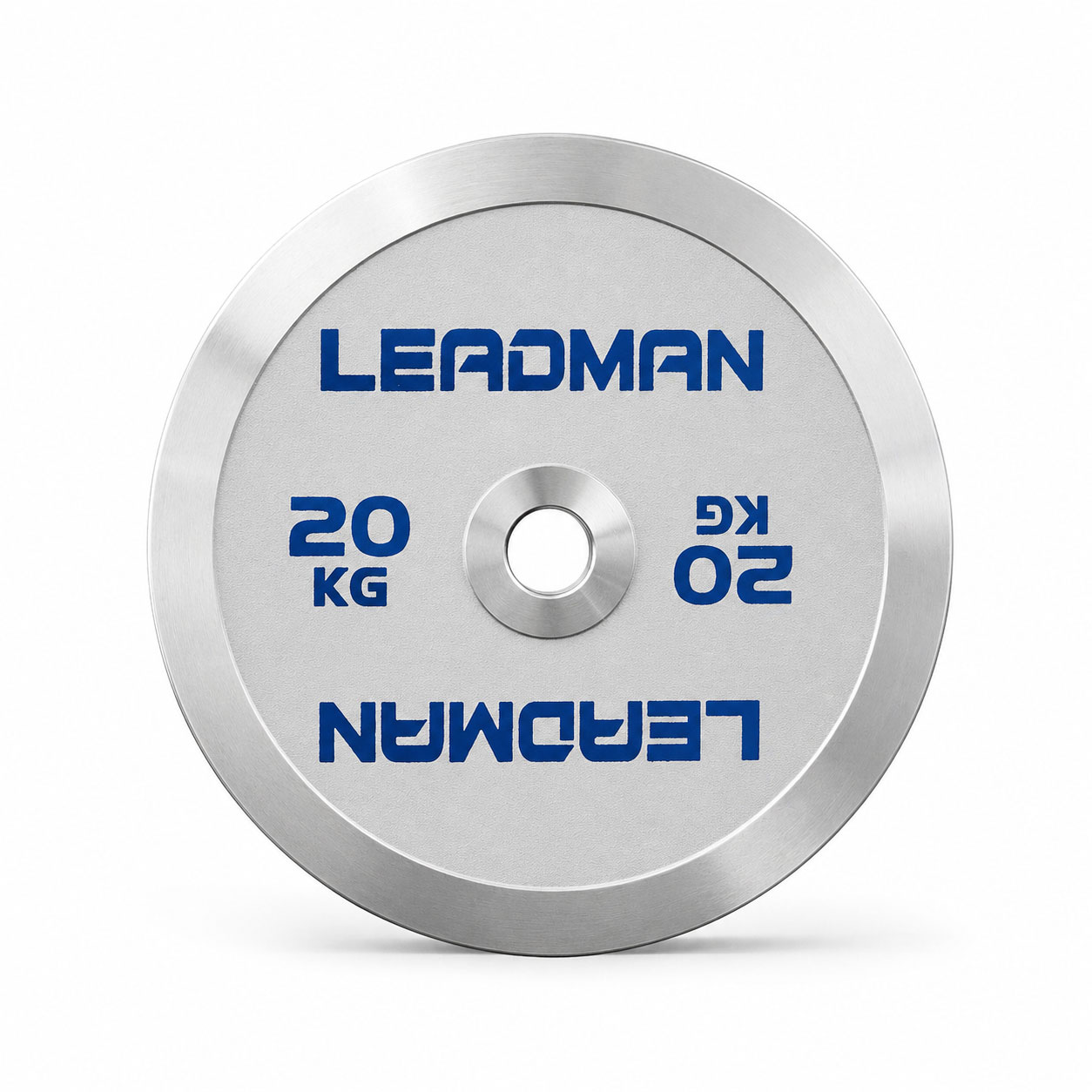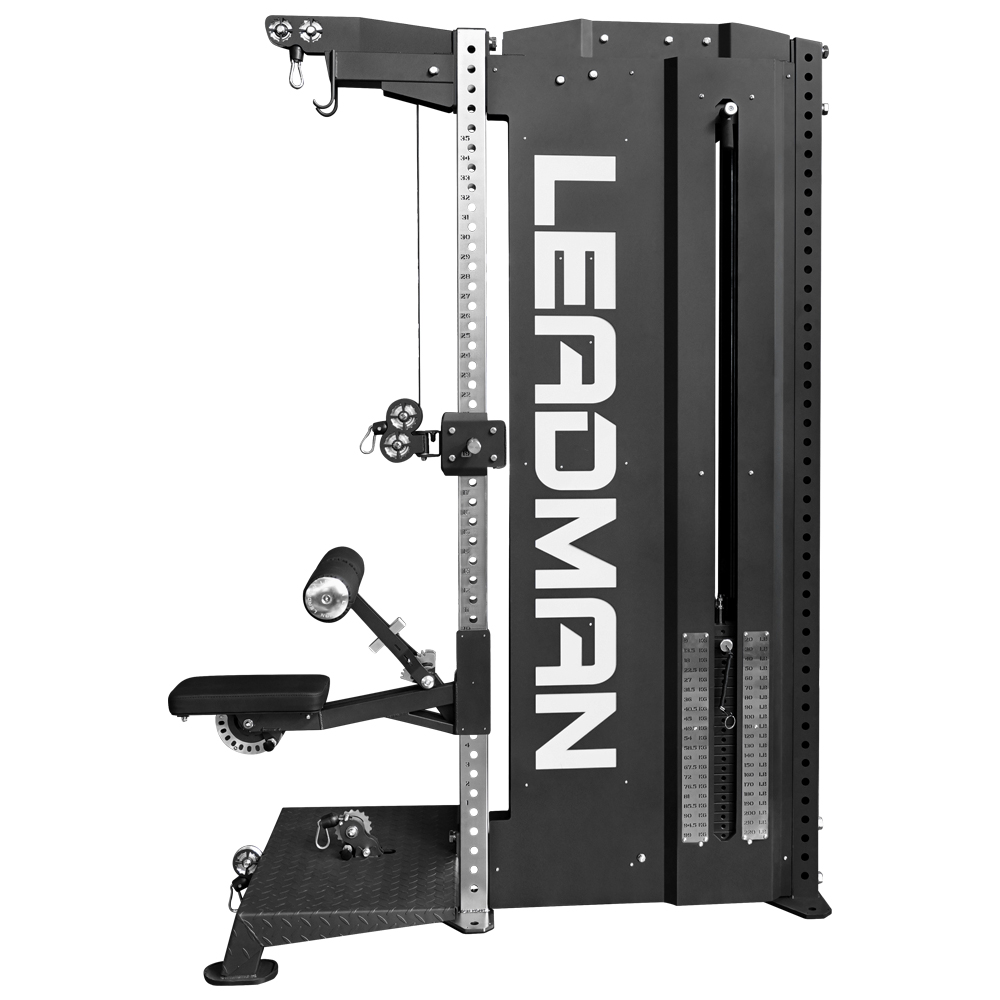
Selecting a manufacturer of gym equipment represents a fundamentally different decision process than choosing a retailer or distributor. While resellers aggregate products from multiple factories, adding 25-40% margin for logistics and sales support, direct manufacturing partnerships remove middle layers entirely. However, this direct access also transfers responsibility for quality verification, freight coordination, and post-sale parts sourcing onto the buyer. Understanding a factory's core competencies—whether they specialize in plate-loaded strength, selectorized machines, urethane dumbbells, or cardio consoles—determines whether a relationship yields long-term value or chronic compatibility issues.
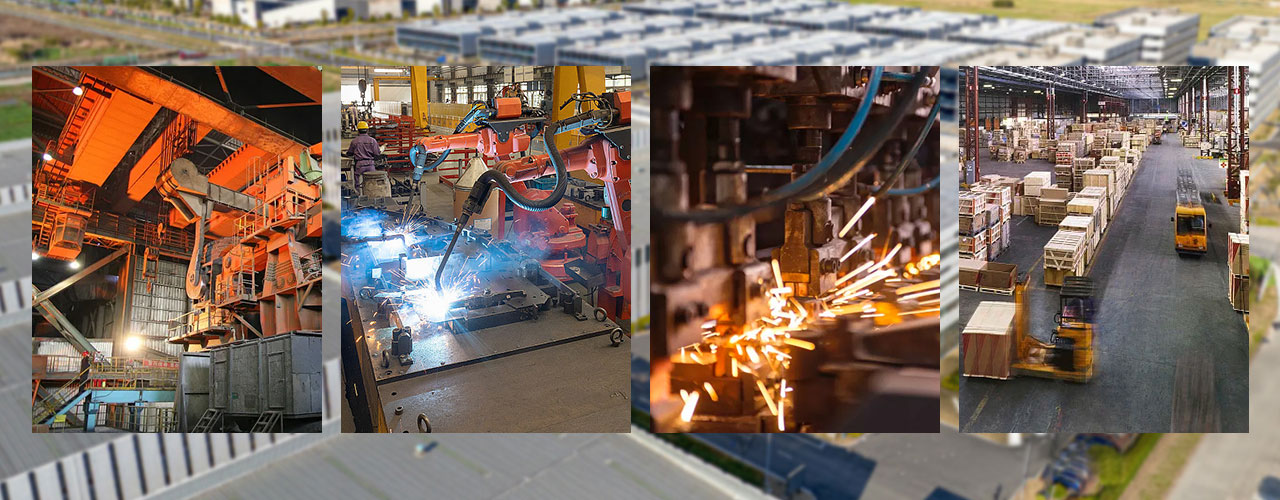
The operational backbone of any credible manufacturer of gym equipment lies in their welding certification standards and quality assurance protocols. ISO 9001:2015 certification indicates documented processes for weld inspection, material traceability, and non-conformance reporting—but does not guarantee specific skill levels. Sophisticated buyers request AWS D1.1 structural welding certification for the factory's welders, particularly for racks, rigs, and any equipment supporting dynamic loads exceeding 200kg. A manufacturer of gym equipment employing robotic welding cells achieves consistent penetration depth (typically 3-5mm into base metal) with zero porosity, whereas manual welding produces variability of ±1.5mm in bead profile. Destructive testing data from 14 factories shows that robotic-welded frames withstand 28% more fatigue cycles before crack initiation compared to manual equivalents, directly impacting commercial equipment lifespans.
From a supply chain perspective, manufacturer of gym equipment vertical integration varies enormously. Factories that cast their own weight stacks, injection-mold their own pulley wheels, and sew their own upholstery control both quality and lead times. Conversely, assemblers who import handles from one subcontractor, frames from another, and pads from a third introduce compounding tolerances—a 0.5mm variance in each component can sum to 2mm misalignment at the cable travel path, causing premature sheathing wear. Manufacturer of gym equipment facilities with in-house powder coating lines achieve consistent film thickness (60-80 microns) and cure profiles, while outsourced coating introduces batch-to-batch color drift. Audit findings indicate that fully vertically integrated manufacturers deliver orders with 94% on-time accuracy versus 78% for assembler models, where multiple subcontractor delays cascade.
When vetting potential partners, request a factory tour—either physical or via live video walkthrough. A legitimate manufacturer of gym equipment will show you their incoming material inspection zone (where raw steel is checked for mill scale and flatness), their CNC machining center (where bushings and pivot pins achieve tolerances under 0.1mm), and their final assembly area with torque-check stations. Red flags include reluctance to show production floors, inability to provide material test reports, or finished goods stored outdoors where humidity accelerates pre-delivery corrosion. The emerging differentiation among manufacturers involves digital twin integration—factories that generate 3D CAD models of each equipment piece for client review before tooling commitment reduce change orders by 60% compared to those working from 2D drawings alone.