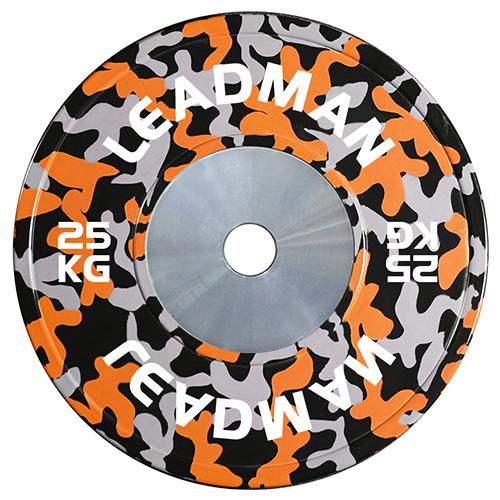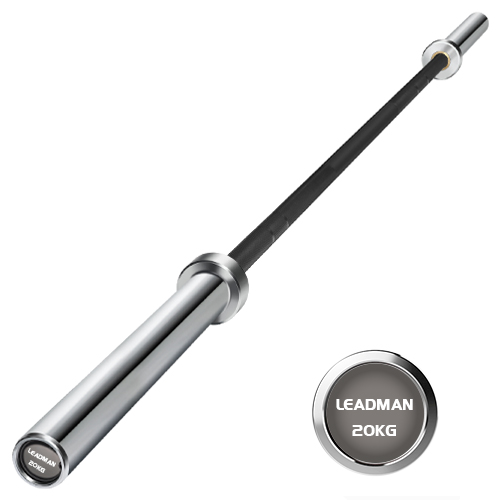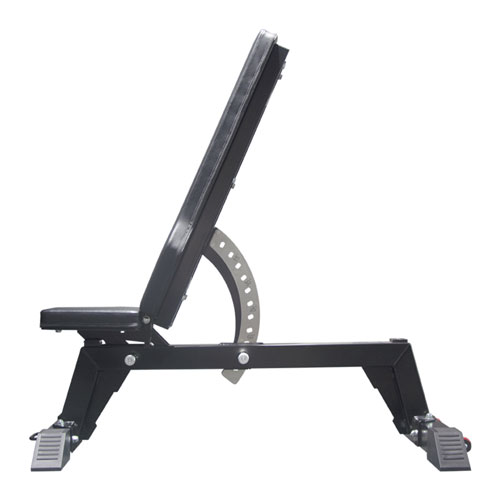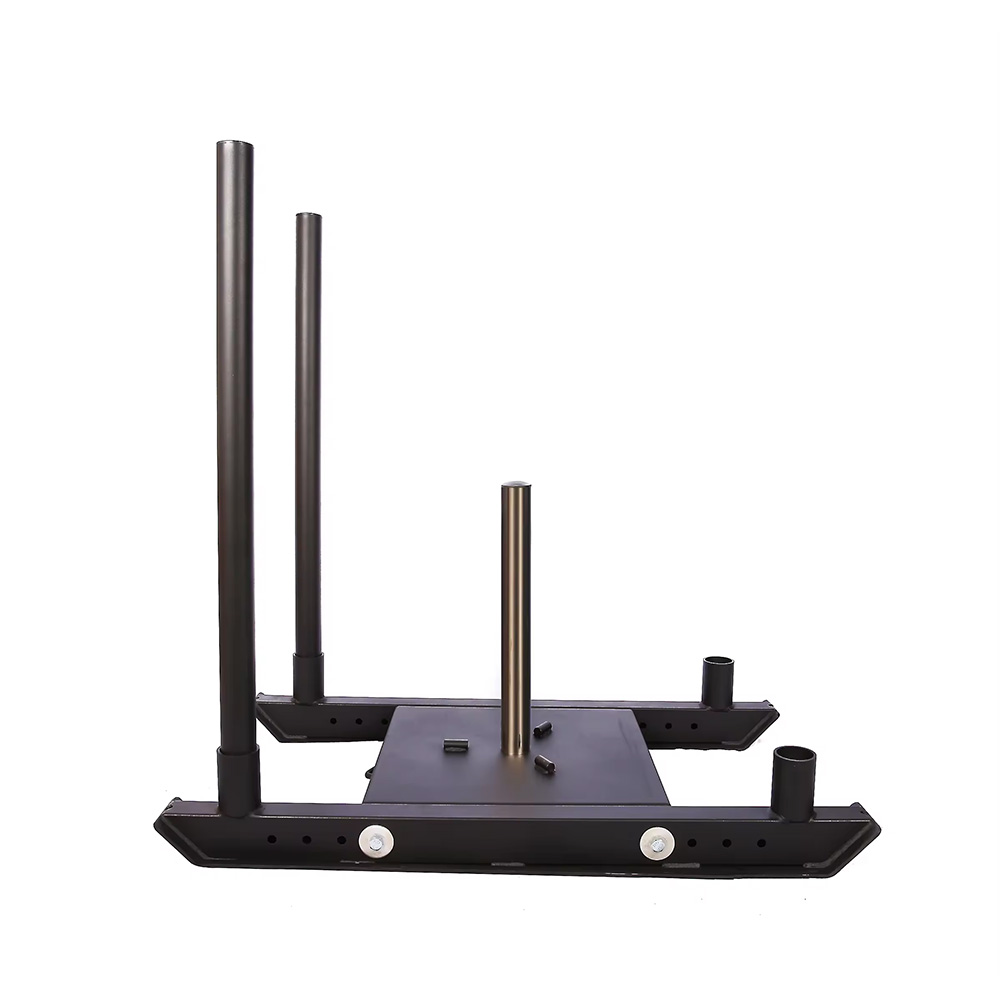
Establishing a commercial fitness facility requires a granular understanding of Capital Expenditure (CAPEX) and long-term operational costs. Unlike residential setups, commercial gym procurement must account for heavy-duty industrial specifications, durability ratings, and high-traffic durability. This guide provides a structural breakdown of the primary cost drivers involved in professional fitness facility deployment.
Equipment Procurement and Tiering
The largest portion of your initial investment will be directed toward equipment. Costs vary significantly based on the intended tier of the facility:
Facility Infrastructure and Specialized Requirements
Beyond the hardware, the physical environment requires specific engineering considerations that influence the total project budget:
Logistics, Installation, and Maintenance
A comprehensive budget must include professional assembly and logistical services. Commercial-grade equipment is often delivered in heavy crates and requires specialized mechanical tools for precision leveling and assembly. Neglecting the cost of preventative maintenance and specialized technician visits can lead to premature equipment degradation and increased downtime. Budgeting for periodic calibration of cardio equipment and lubrication of strength machine pulleys is critical for long-term asset management.
Note: Total project costs are highly sensitive to geographic location, shipping logistics for heavy machinery, and the complexity of the existing facility's structural integrity.