
Why Custom Gym Equipment Is Gaining Popularity Among Facility Owners
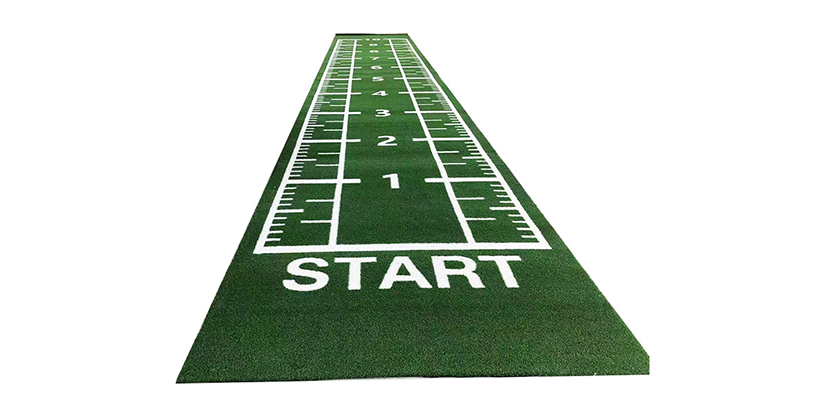
For high-end fitness facility operators, the struggle with space utilization and brand identity is a constant technical challenge. Standardized, mass-produced equipment often imposes a 'one-size-fits-all' geometry that fails to account for unique floor plans or specific user demographics. This friction leads to inefficient throughput and a generic aesthetic that lacks competitive edge. As facility designers move toward specialized training environments, the shift toward bespoke solutions has become a strategic necessity rather than a luxury. Understanding the technical advantages and the underlying engineering logic is the first step in determining if custom fabrication aligns with your long-term operational goals.
Structural Optimization through Bespoke Frame Design
The fundamental limitation of off-the-shelf equipment is its rigid structural specification. Standardized frames are designed for the 'average' user, which often results in either excessive bulkiness for boutique studios or insufficient stability for high-intensity strength training centers. Custom gym equipment allows engineers to manipulate the cross-sectional dimensions of steel tubing to meet specific load-bearing requirements without adding unnecessary volume.
When designing a custom frame, the primary decision variable is the gauge of the steel and the profile of the tubing (e.g., rectangular vs. circular). A circular profile offers superior resistance to torsion, whereas rectangular profiles provide more mounting points for accessories. Operators must evaluate the specific function of the machine: a heavy-duty power rack requires a different metallurgical profile than a functional training station.
- Standardized Profile: Single-purpose, limited accessory mounting, fixed footprint.
- Customized Profile: Variable gauge optimization, integrated accessory rails, footprint-specific geometry.
By optimizing the frame dimensions, facility owners can reclaim valuable square footage while ensuring structural integrity. This transition from fixed geometry to optimized design leads directly into the more nuanced requirements of material selection and surface engineering.
Advanced Material Selection and Surface Finish Durability
Once the frame geometry is optimized, the focus shifts to the longevity of the machine in high-traffic environments. A frequent failure mode in commercial gyms is the premature degradation of powder coating or the oxidation of exposed metal, often caused by inadequate surface preparation or low-grade finishes. Customization allows for a controlled specification of material grades and coating technologies.
Professional operators should look beyond simple color selection and focus on the technical specifications of the finish. High-performance facilities often require finishes that are resistant to both high-frequency contact and the corrosive effects of human perspiration (pH-driven oxidation). A comparison of common finishes highlights why customization offers a superior technical advantage:
| Finish Type | Durability Level | Primary Technical Benefit | Common Failure Mode |
|---|---|---|---|
| Standard Powder Coating | Moderate | Cost-effective aesthetic | Chipping under heavy impact |
| Electrostatic Textured Paint | High | Improved grip and scratch resistance | Difficulty in deep cleaning |
| Industrial Grade Polyurethane | Very High | Extreme chemical and UV resistance | Higher initial procurement cost |
| Anodized Aluminum (Lightweight) | High | Corrosion resistance and low mass | Surface softness/scratching |
Selecting the correct finish is not merely an aesthetic choice but a maintenance strategy. A more durable, custom-specified finish reduces the frequency of refurbishing cycles. However, even the best materials require a rigorous inspection protocol to ensure long-term safety.
Technical Verification of Component Integrity and Tolerance
A major risk in procuring custom solutions is the variance in manufacturing tolerances. While standardized equipment follows rigid, predictable patterns, custom builds rely heavily on the precision of the fabrication shop. If a machine is built with a wide tolerance for pivot points or cable paths, it will suffer from premature wear and erratic movement.
To verify the performance of incoming custom equipment, operators should utilize a standardized checklist during the installation phase. This ensures that the manufacturer's claims match the delivered physical reality. A common mistake is assuming that a heavy machine is a stable machine; weight alone does not compensate for poor tolerance control in moving parts.
Installation Inspection Checklist
- Pivot Point Smoothness: Check for any lateral 'play' or grinding during full range of motion.
- Cable Tension Uniformity: Verify that tension remains constant through the entire travel path.
- Bolt Torque Verification: Randomly check a sample of structural bolts with a torque wrench to ensure they meet specified tightness.
- Alignment Check: For dual-path machines (like Smith machines), ensure the vertical alignment is perfectly parallel.
A successful inspection at the point of installation prevents operational downtime later. Once the equipment is verified as structurally sound, the next challenge is managing the ergonomics of the user interface.
Ergonomic Customization and User Interface Precision
Effective gym equipment is defined by how it translates human movement into mechanical resistance. Standardized machines often have fixed pivot points that do not account for variations in anthropometric data (human body proportions). This misalignment can lead to joint strain and reduced training efficacy. Customization addresses this by allowing for adjustable pivot heights and customizable contact points.
The technical logic behind ergonomic customization involves the 'bio-mechanical path.' A custom-built machine can be engineered to follow the natural arc of a specific movement, such as a customized unilateral leg press that accommodates various hip architectures. This level of detail is what separates a generic commercial gym from a high-performance training center.
When evaluating ergonomic features, operators should categorize equipment based on its 'adjustability range.' A high-tier custom machine should offer a wide spectrum of seat heights, pad thicknesses, and handle diameters. This ensures that the equipment remains functional for a diverse user base, from professional athletes to recreational members.
Optimizing Throughput via Spatial Efficiency and Layout
The technical advantage of custom equipment extends beyond the individual machine to the macro-level of facility layout. In a commercial setting, the relationship between machines—often called the 'footprint-to-buffer ratio'—determines how much equipment can be safely operated in a given square footage. Standardized equipment often creates 'dead zones' where space is unusable due to awkward shapes or large safety buffers.
Customization allows for the creation of integrated equipment banks. For example, instead of three separate stations, a custom manufacturer can design a single, continuous functional training unit that shares a structural frame. This reduces the total footprint and creates a cleaner, more professional aesthetic.
Scenario: The Modular Benefit
A facility owner with a 2,000 sq. ft. training zone can often fit 15-20% more effective training stations by utilizing integrated custom systems compared to scattered, standalone machines. This increase in density directly translates to higher revenue potential per square foot.
Integrating these custom systems requires careful planning of the electrical and flooring requirements, which leads to the essential task of lifecycle management.
Lifecycle Management and Preventive Maintenance Protocols
Transitioning to custom gym equipment requires a shift in the maintenance mindset. Because many components—such as specialized bearings or custom-width upholstery—may not be readily available in a local hardware or commercial supply store, a preemptive maintenance strategy is non-negotiable. The lack of a 'standardized replacement part' is a common pain point if not managed through a strict protocol.
Facility owners must maintain a detailed digital log of all custom specifications, including material types, part numbers for custom bushings, and the specific torque settings used during installation. This documentation acts as a technical manual for future repairs.
Recommended Maintenance Cadence
| Interval | Task Type | Action Item |
|---|---|---|
| Weekly | Visual & Surface | Check for coating chips, loose bolts, and upholstery tears. |
| Monthly | Mechanical & Lubrication | Inspect cable fraying, lubricate pivot points, and check tension. |
| Quarterly | Structural Integrity | Conduct a full bolt-tightening audit and verify frame alignment. |
| Annually | Deep Technical Audit | Full component replacement for high-wear items (bushings, cables). |
By strictly adhering to these intervals, the operator ensures that the high initial investment in customized solutions is protected. This systematic approach prevents the 'failure-then-fix' cycle that plagues many aging commercial facilities.
Analyzing the Long-Term Return on Investment (ROI)
The final consideration for any facility owner is the financial justification. While the upfront cost of custom gym equipment is inevitably higher than mass-produced alternatives, the long-term ROI is driven by three technical factors: longevity, density, and branding. The initial capital expenditure (CAPEX) should be viewed through the lens of total cost of ownership (TCO) over a 5 to 10-year lifecycle.
If a facility uses standardized equipment that requires replacement every 3 years due to wear, the cumulative cost (including labor and downtime) may exceed the cost of a single, high-spec custom installation that lasts 7 years. Furthermore, the ability to utilize space more efficiently through integrated designs allows for greater revenue generation through higher member capacity.
Key ROI Drivers for Customization:
1. Decreased OPEX: Higher quality materials lead to fewer emergency repairs and lower annual maintenance costs.
2. Increased Member Retention: Specialized, ergonomic equipment attracts higher-tier clientele and professional athletes.
3. Enhanced Brand Equity: A unique, custom-designed aesthetic creates a distinct market position that is difficult for competitors to replicate.
Ultimately, the popularity of custom gym equipment among owners is a result of a calculated decision to prioritize operational efficiency and long-term durability over short-term savings. The shift toward precision-engineered, bespoke solutions represents the maturation of the commercial fitness industry.