
Optimizing Procurement: A Technical Guide to Wholesale Fitness Supplies
Identifying Structural Integrity Deficits in High-Volume Procurement
When sourcing wholesale fitness supplies for a commercial facility, the most immediate threat to long-term ROI is the discrepancy between advertised load ratings and actual structural performance. Facility operators often face the 'phantom strength' problem, where equipment appears robust but fails under the dynamic loads typical of high-intensity interval training (HIIT) or heavy compound lifting. This failure is rarely spontaneous; it is usually the result of substandard steel gauges or insufficient weld penetration in strength training stations.
To avoid premature capital expenditure, procurement managers must move beyond visual aesthetics and focus on metallurgical and mechanical specifications. A common mistake is assuming that a heavy-duty weight rack is inherently safe based solely on its weight. However, the quality of the powder coating and the precision of the notch tolerances are better indicators of a product's longevity. Establishing a baseline of technical verification during the unboxing phase is the first step in mitigating these risks. Understanding these material nuances prepares the buyer for the more complex task of evaluating specific weight-bearing components.
Common Failure Modes in Strength Equipment
- Weld Fractures: Occur when non-continuous welding is used on high-stress joints.
- Shear Failures: Often seen in lower-grade bolts used in adjustable benches.
- Surface Delamination: Results from poor adhesion of powder coating, leading to rapid oxidation.
Once the structural baseline is understood, the focus shifts toward the technical requirements of the training environment itself, specifically how the equipment interacts with the facility floor.
Engineering the Foundation: Flooring Specifications and Load Distribution
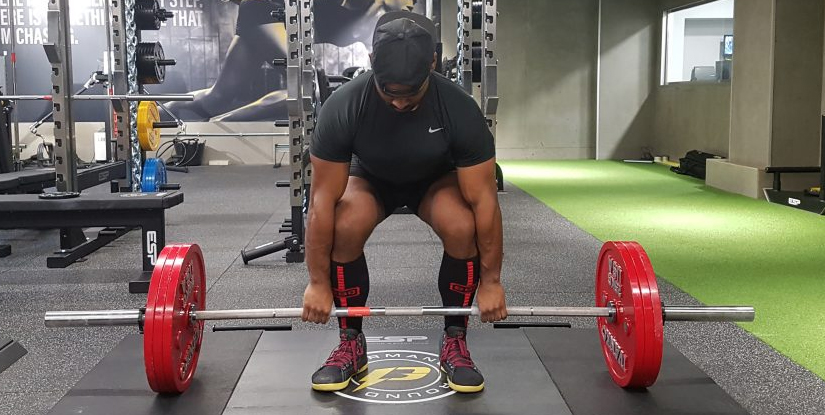
The structural integrity of your equipment is only as reliable as the surface upon which it sits. A frequent oversight in the procurement of wholesale fitness supplies is the failure to match the equipment's kinetic energy output with the floor's shock absorption capabilities. High-impact activities, such as heavy barbell drops, create ground-borne vibrations that can lead to subfloor cracking or the loosening of structural fasteners in nearby machines.
Selecting the correct flooring requires a deep understanding of Shore hardness and thickness. For instance, a standard rubber roll might suffice for a yoga studio, but it is entirely inadequate for a functional training zone. Operators must evaluate the material based on its ability to manage both static loads (the weight of the machine) and dynamic loads (the force of a human moving on or through it). If the flooring is too hard, the equipment experiences increased wear; if it is too soft, the equipment becomes unstable, creating a lateral movement hazard.
| Environment Type | Recommended Flooring Material | Typical Thickness Range | Primary Function |
|---|---|---|---|
| Strength/Weightlifting | High-Density Vulcanized Rubber | 20mm – 40mm | Impact Absorption & Stability |
| HIIT/Functional | Multi-Layered EVA Foam/Rubber Hybrid | 10mm – 20mm | Joint Protection & Sound Dampening |
| Cardio/Aerobic | Low-Profile Rubber Tiles | 5mm – 10mm | Surface Uniformity & Noise Reduction |
By matching the floor's mechanical properties to the equipment's intended use, you protect both the hardware and the building's structural elements. This foundational stability is a prerequisite for the precise mechanical calibration of moving parts, such as cable machines and resistance systems.
Mechanical Precision and Cable Tension Maintenance
Building on the necessity of a stable base, the next critical layer of equipment management involves the maintenance of moving mechanical systems. In commercial settings, cable-based resistance machines are often the highest-maintenance items in the facility. The primary failure mechanism is often cable fraying or pulley misalignment, both of which are exacerbated by improper tensioning or low-quality coatings on the wire. A fraying cable is more than a maintenance nuisance; it is a significant liability that can lead to sudden catastrophic failure during a user session.
To maintain peak performance, operators should implement a standardized inspection interval. This involves checking the pulley wheels for smoothness, ensuring the cable sheath is intact, and verifying that the weight stack moves without friction. A common mistake is to ignore the subtle 'stutter' in a machine's movement, assuming it is merely a lack of lubrication. In many cases, a stutter indicates that a pulley bearing is failing or that the cable is beginning to deform under load. Verification requires a tactile check: by hand, rotate the pulley to feel for any notched or uneven sensations that indicate internal wear.
Essential Maintenance Checklist for Resistance Systems
- Visual Inspection: Check for exposed steel strands in the cable sheath.
- Friction Test: Ensure the weight stack descends smoothly without any lateral oscillation.
- Pulley Integrity: Inspect the edges of the pulley wheels for any rounding or debris buildup.
- Weight Stack Alignment: Confirm the stack is centered and does not contact the guide rods during movement.
While maintaining the moving parts of a machine is vital, the stability of the stationary parts—specifically the adjustment mechanisms—requires a different set of analytical tools.
Evaluating Adjustment Hardware and Tolerance Standards
As established with mechanical cables, the movement within a machine must be controlled. However, the way a machine is *adjusted* by a user is where many safety issues originate. Whether it is a bench seat, a treadmill incline, or a power rack's pin system, the hardware used to lock these positions must meet strict tolerance standards. The problem often arises from 'slop' or 'play' in the adjustment holes, which can lead to the machine shifting or collapsing unexpectedly during use.
<When sourcing wholesale fitness supplies, buyers should look for precision-engineered adjustment pins rather than generic fasteners. High-quality commercial pins are typically tapered or feature a locking mechanism (like a pop-pin or a spring-loaded clevis) to prevent accidental removal. A critical failure mode in lower-tier equipment is the widening of adjustment holes over time, caused by the repeated impact of heavy weights hitting a poorly secured position. This creates a dangerous instability that is difficult to rectify without replacing the entire component.
Verification Criteria for Adjustment Mechanisms
| Mechanism Type | What to Look For (High Quality) | Red Flag (Low Quality) |
|---|---|---|
| Weight Bench Adjustments | Precision-milled holes and thick steel pins | Oval-shaped holes or loose-fitting pins |
| Cable Machine Pins | Spring-loaded tension and smooth insertion | Bent pins or difficulty in alignment |
| Rack Height Pins | Tapered ends for precise seating | Flat-ended pins that 'wobble' in the hole |
A reliable adjustment system ensures that the machine remains a controlled environment for the user. Once these static and moving parts are secured, the focus must turn to the longevity of the surface treatments and coatings that protect them.
Related reading:
Surface Coating Durability and Oxidation Prevention
The stability of the adjustment mechanisms is the second line of defense, but the first line is often the material's surface treatment. In many commercial facilities, particularly those in humid or coastal environments, the degradation of equipment often begins with the failure of the protective coating. Whether it is the powder coating on a barbell or the upholstery on a weight bench, oxidation and material fatigue are the silent killers of equipment lifespan.
The mechanism of failure is usually micro-cracking in the paint or coating, which allows moisture to reach the substrate. Once oxidation begins, it can compromise the structural integrity of the steel. For instance, a poorly coated barbell will begin to rust at the knurling, not just an aesthetic issue, but a grip-failure risk. To prevent this, operators should prioritize equipment with high-grade electrostatic powder coating and UV-resistant upholstery. The goal is to select materials that can withstand both the chemical cleaners used for sanitation and the natural environmental variables of the facility.
To verify the quality of a coating, perform a 'scratch and moisture' test. In a controlled setting, a small scratch should not result in immediate or widespread rusting when exposed to mild moisture. Furthermore, check the upholstery for 'pitting' or 'cracking' under light pressure. If the material feels thin or lacks elasticity, it will likely fail within months of heavy commercial use. Maintaining these surfaces through regular, non-abrasive cleaning is essential to extending the intervals between full replacements.
While protecting the external surfaces is crucial, it is equally important to understand the internal wear of high-use items like cardio machines, which operate on a different principle of mechanical stress.
Related reading:
Cardio Component Fatigue and Electronic Reliability
Moving from the relatively static world of strength training, cardio equipment introduces a layer of complexity involving both mechanical fatigue and electronic reliability. Unlike a barbell, a treadmill or a stationary bike is a complex assembly of motors, belts, and control boards. The failure of these components is often non-linear; a motor may perform perfectly for months before a small, undetected friction issue leads to a total burnout.
The core issue in cardio fatigue is often heat dissipation. Motors and electronic control units (RCUs) generate significant heat during operation. If the ventilation ports are blocked by dust or if the internal cooling fans are insufficient, the heat buildup will degrade the electronic components. This leads to 'ghost errors'—unexplained shutdowns or erratic screen behavior—which are difficult to diagnose without specialized tools. To mitigate this, a rigorous dust-clearing protocol must be part a of the standard operational procedure.
Cardio Maintenance: Identifying Heat and Friction Issues
- Motor Heat Check: After a heavy session, check if the motor shroud is excessively hot to the touch (within safe bounds).
- Belt Tension/Wear: Observe the treadmill belt for any slipping or unevenness that suggests a motor-load mismatch.
- Electronic Errors: Document any intermittent screen flickers, as these are precursors to full board failure.
A successful cardio program relies on the predictability of these machines. Ensuring that both the mechanical and electronic aspects are regularly monitored allows for a proactive rather than reactive maintenance model. This proactive approach is the same philosophy used when managing the long-term procurement of ancillary training gear.
Related reading:
Ancillary Gear Management: Weights and Small Accessories
Beyond the large machines, the management of ancillary items—such as kettlebells, dumbbells, and resistance bands—is frequently overlooked in the procurement strategy. These items are subject to constant impact and high-frequency handling, meaning their wear patterns are distinct from larger equipment. For example, a common failure in the procurement of wholesale fitness supplies is selecting resistance bands with poor elasticity retention, which can snap without warning under load.
The mechanism of failure for resistance bands is typically 'fatigue-induced micro-tearing' within the latex or TPE. When these bands are stored in extreme temperatures or exposed to direct sunlight, the material loses its ability to return to its original shape. This makes them dangerous to use. To prevent this, operators must implement a strict replacement schedule based on material appearance rather than waiting for a failure. If a band shows any signs of surface discoloration or loss of elasticity, it must be decommissioned immediately.
| Item Type | Common Failure Sign | Replacement Trigger |
|---|---|---|
| Dumbbells/Kettlebells | Cracked or peeling urethane/rubber | Visible separation from the iron core |
| Resistance Bands | Surface chalkiness or loss of color | Any visible thinning or texture change |
| Medicine Balls | Deformation or surface tearing | Loss of perfect spherical shape |
Properly managing these smaller items ensures that the overall training environment remains professional and safe. As you refine these smaller-scale operations, you will find that the same principles of observation apply to the facility'off total layout and space optimization.
Related reading:
Optimizing Facility Layout and Spatial Throughput
With the understanding of equipment maintenance and procurement, the final piece of the operational puzzle is the spatial organization of the facility. The way equipment is positioned is not just an aesthetic choice; it is a functional decision that affects both safety and the longevity of the gear. Overcrowded layouts lead to 'collision-based wear,' where users inadvertently hit machines or drop weights on nearby flooring, causing secondary damage.
The problem of poor layout often stems from a failure to account for the 'dynamic footprint' of an exercise. A person using a barbell in a power rack requires not just the space for the rack itself, but also the clearance for the full range of motion of the bar and the movement of the lifter. If the layout is too tight, the risk of equipment-on-equipment contact increases, which can lead to chipped paint, dented frames, and compromised structural integrity. To solve this, operators should use a 'buffer zone' approach, where every piece of equipment has a clearly defined, non-negotiable clearance area.
Verification of Spatial Adequacy
Before finalizing a layout, perform a physical walk-through using the following criteria:
- The Range-of-Motion Test: Operate every major piece of equipment through its full range of motion and ensure no parts come within 12 inches of another object.
- The Transit Path Check: Ensure there are clear, wide paths for users to walk through the facility without needing to step around a machine.
- The Weight-Drop Zone: Ensure that any area where free weights are used has sufficient flooring thickness and no nearby delicate electronics.
By treating the facility layout as a technical specification rather than a floor plan, you ensure that the wholesale fitness supplies you have invested in are protected from the daily rigors of high-volume use. This comprehensive approach to procurement, maintenance, and layout forms the backbone of a professional fitness operation.