
Optimizing Space with a Compact Folding Weight Bench: A Technical Guide
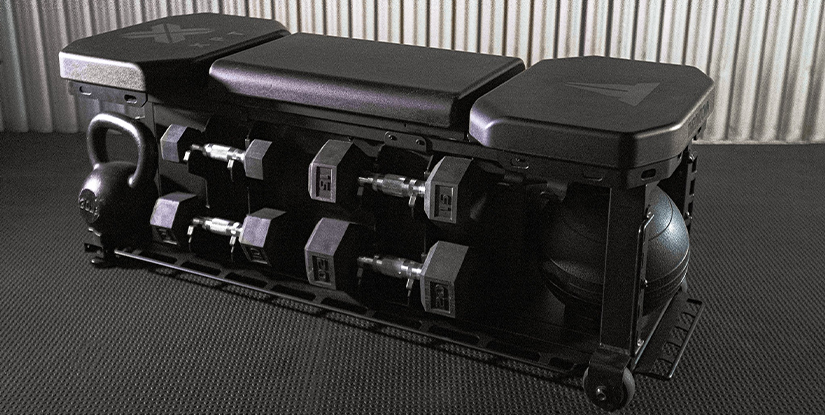
The Myth of Diminishing Returns in Compact Strength Equipment
A common misconception among facility managers is that a Compact Folding Weight Bench inherently sacrifices structural integrity for the sake of portability. In many high-traffic commercial environments, procurement officers fear that the inclusion of folding pivot points introduces a permanent mechanical weakness. However, when evaluated through the lens of industrial engineering and load distribution, a high-quality folding mechanism is not a compromise, but a specialized engineering solution designed to manage specific torque loads. The problem arises not from the folding design itself, but from substandard hinge metallurgy and insufficient bolt pretensioning.
To avoid the trap of low-quality equipment, one must distinguish between residential-grade consumer models and professional-grade versatile units. A professional unit utilizes reinforced steel tubing and heavy-duty locking pins to ensure that once the bench is deployed, it functions as a static, rigid structure. Understanding the mechanical limitations of these components is the first step in selecting a piece that maintains its integrity over thousands of cycles. Once the structural philosophy is understood, the focus shifts toward the specific material requirements of the frame.
Material Selection and Structural Integrity Standards
Building upon the necessity of a rigid frame, the selection of steel gauge and upholstery density determines the long-term durability of the bench. A common failure mode in space-saving equipment is the buckling of the lateral supports during heavy lifting cycles. This is often caused by the use of thin-walled tubing that cannot withstand lateral force when the bench is in an incline or decline position.
Steel Gauge and Load Capacity Verification
When evaluating a bench, operators should look beyond the marketing weight capacity and inspect the actual thickness of the steel. High-quality commercial-grade compact benches typically utilize 11-gauge to 7-gauge steel for the primary load-bearing rails. If the steel is too thin, the repetitive vibration of weight loading will eventually lead to fatigue cracking at the weld points.
| Component Type | Residential Standard | Commercial-Grade Standard | Verification Method |
|---|---|---|---|
| Frame Steel | 14-16 Gauge | 11-7 Gauge | Digital Caliper measurement |
| Pivot Pins | Lightweight Alloy | Hardened Steel | Hardness test/Visual scratch test |
| Upholstery | Thin PVC | High-Density Reinforced Vinyl | Compression/Memory test |
| Hinge Mechanism | Single Spring Pin | Dual Locking/Heavy Duty Pin | Engagement force check |
By verifying these parameters, a facility operator ensures the equipment can handle high-frequency usage. This focus on material thickness leads directly to the critical importance of the moving parts: the folding mechanisms and pivot points.
Mechanical Precision in Folding Hinge Systems
While the frame provides the strength, the hinge system provides the functionality, and this is where most technical failures occur. A common error in operation is failing to ensure the hinge is fully seated before beginning a set, which places undue stress on the locking pin. The cause of most catastrophic collapses is a misalignment between the hinge's center of rotation and the load-bearing axis.
Preventing Hinge Wear and Seating Failures
To maintain a high standard of safety, operators must implement a routine check of the hinge engagement. A hinge that feels 'loose' or has excessive lateral play is a signal that the bushings or the pivot pin have undergone wear. This is often the result of insufficient lubrication or using the bench in an un-locked state during high-impact movements.
- Verify Pin Engagement: Ensure the locking pin or lever is fully seated through the entire diameter of the hole.
- Check for Lateral Play: Attempt to shake the bench side-to-side while it is in a fixed position to detect bushing wear.
- Inspect for Deformation: Look for any bowing in the hinge plates that could indicate metal fatigue.
Maintaining these precision parts ensures that the transition from a folded state to a functional training station remains seamless. This leads to the next operational concern: how the bench interacts with the surrounding gym environment and floor surfaces.
Related reading:
Optimizing Floor Load and Surface Interaction
A Compact Folding Weight Bench does not exist in isolation; its footprint and weight distribution directly affect the stability of the surrounding area. A frequent mistake made by gym owners is neglecting the relationship between the bench's weight and the floor's Shore hardness. If a bench is used on an insufficiently cushioned surface, the shock from dropping weights can cause the bench to shift or tilt unexpectedly.
Floor Protection and Stability Management
To ensure optimal performance, the bench should be positioned on a surface that offers both shock absorption and high friction. In professional settings, this means placing the bench on high-density rubber flooring rather than standard mats or concrete. The goal is to maximize the surface contact area to prevent the 'walking' effect that occurs during heavy pressing movements.
The following checklist can be used to verify floor readiness before deploying the bench:
- Check Friction Coefficient: Ensure the floor surface is free of dust or moisture which can decrease the friction between the bench feet and the floor.
- Evaluate Thickness: Verify that the rubber flooring is at least 8mm to 15mm thick to absorb the kinetic energy of load shifts.
- Measure Leveling: Use a spirit level to confirm the floor surface is flat; even a minor slope can exacerbate stability issues in a folding model.
Once the floor environment is stabilized, the focus must shift to the routine maintenance required to keep the mechanical components functioning at peak efficiency.
Related reading:
Preventative Maintenance and Inspection Protocols
Even the most robust equipment requires regular intervention to prevent the degradation of its moving parts. Most facility failures are not caused by sudden breakage, but by the gradual loosening of fasteners and the drying out of lubricants. A failure to implement a strict maintenance cadence is a leading cause of both equipment downtime and user injury.
The Standard Maintenance Checklist for Folding Benches
A professional operator should perform a tiered inspection process. The first tier is a daily visual check, while the second tier is a deep mechanical inspection performed on a monthly or quarterly basis. The primary goal is to identify the 'cause' of wear before it becomes a 'problem' of failure.
| Inspection Frequency | Action Item | Technical Focus |
|---|---|---|
| Daily (Pre-Use) | Visual Hinge Check | Verify pins are fully engaged and locked. |
| Weekly (Operational) | Fastener Torque Test | Check bolts on the main frame and support legs. |
| Monthly (Deep) | Lubrication of Pivots | Apply silicone-based lubricant to moving joints. |
| Quarterly (Total) | Upholstery Integrity | Inspect for cracks or tears in the vinyl and padding. |
Failure to adhere to these intervals can lead to increased noise, decreased stability, and ultimately, a shortened equipment lifespan. Proper maintenance also prepares the facility for the challenges of varying load types and user intensities.
Related reading:
Addressing Common Operational Faults and Troubleshooting
When a bench begins to exhibit unusual characteristics, such as creaking or unevenness, it is an indication of an underlying mechanical issue. Most users treat these symptoms as 'normal wear,' but in a professional setting, they are diagnostic indicators that require immediate action. Identifying the specific cause—whether it be a loose bolt or a worn bushing—is essential for a swift resolution.
Rapid Troubleshooting Guide for Facility Operators
If an operator notices a change in the bench's performance, they should follow this logical diagnostic path to identify the fix.
- Symptom: Creaking During Movement. Cause: Dry or contaminated hinge joints. Fix: Clean the pivot point and apply a high-quality lubricant.
- Symptom: Wobbling Under Load. Cause: Unlevel flooring or loose base bolts. Fix: Re-torque all frame fasteners and check floor levelness.
- Symptom: Unresponsive Adjustment. Cause: Debris in the adjustment holes or bent pins. Fix: Clear the holes with compressed air and inspect pins for straightness.
By following these troubleshooting steps, the operator moves from identifying a symptom to implementing a verified fix. This systematic approach to equipment care ensures the long-term reliability of the Compact Folding Weight Bench.
Related reading:
Weight Bench And Weight Set- China Factory,Supplier,Manufacturer
Future-Proofing Your Equipment Procurement Strategy
As gym layouts evolve and space-saving becomes a premium requirement, the technical specifications of your gear will define your facility's longevity. When planning for future expansion or renovation, consider how current equipment choices will impact your floor-load constraints and total footprint. Investing in high-specification folding units now reduces the frequency of replacement cycles in the future.
A robust procurement strategy should always prioritize the technical data provided in manufacturer spec sheets over anecdotal testimonials. Look for documented load-ratings, detailed steel gauges, and clear maintenance requirements. By treating the selection of a compact folding weight bench as a technical procurement rather than a simple purchase, you ensure a higher return on investment and a safer environment for all users.