
What Sets Commercial Gym Equipment Apart from Consumer-Grade Gear
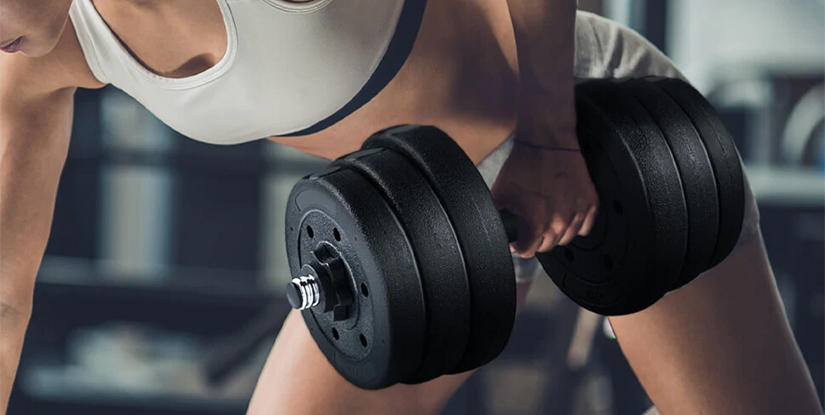
Structural Integrity and Material Density Disparities
The most immediate failure mode in fitness facility management is not a single catastrophic event, but the gradual degradation of equipment stability. When an operator mistakenly utilizes consumer-grade gear in a high-traffic environment, they encounter the problem of 'frame flex.' This occurs because consumer-grade equipment is engineered for intermittent, low-intensity use, whereas commercial-grade gear is built for continuous, high-load cyclic stress. The cause is fundamentally found in the gauge of the steel and the density of the internal structural supports.
Steel Gauge and Wall Thickness Standards
In a commercial setting, the structural requirements demand a significantly higher gauge of steel. While consumer machines may use thinner-walled tubing to reduce shipping costs and weight, commercial units utilize heavy-duty steel with higher volumetric density. This prevents the frame from bowing under heavy eccentric loads. To verify quality during procurement, an operator should measure the wall thickness of the steel tubing; commercial-grade profiles consistently offer higher resistance to lateral forces.
| Feature | Consumer-Grade Profile | Commercial-Grade Profile |
|---|---|---|
| Steel Wall Thickness | Thin-walled/Lightweight | High-gauge/Structural thickness |
| Frame Stability | Susceptible to vibration and flex | Rigid under heavy load |
| Weld Quality | Surface-level/Spot welding | Continuous/Deep-penetration welding |
| Load Capacity | Intermittent/Personal use | Continuous/High-volume usage |
Identifying these subtle structural differences during the unboxing and initial assembly phase prevents long-term maintenance headaches. Understanding the density of the frame leads directly to the next critical distinction: the precision of the moving parts.
Mechanical Tolerances and Bearing Assemblies
Building on the foundation of a rigid frame, the efficiency of a machine relies on the precision of its moving parts. A common pain point for facility managers is the 'grinding' or 'stuttering' sensation reported by users on selectorized machines. This is often caused by the use of low-tolerance bushings or plastic-only pivot points found in consumer-grade gear. Commercial equipment utilizes high-precision bearing assemblies designed to withstand thousands of repetitions without deviation.
Bearing Types and Lubrication Longevity
Commercial machines frequently employ sealed ball bearings or high-performance bronze bushings. The mechanism of failure in consumer-grade equipment is often the friction heat generated by inadequate bearing surfaces, which leads to premature wear. A professional operator should look for the presence of sealed bearing housings, which protect the internal components from dust, sweat, and oxidation. If a machine begins to feel 'notchy' during a set, it is a sign that the tolerances are no longer within the acceptable operational range.
- Standard Check: Test the fluid motion of a selectorized machine without weight to check for micro-stuttering.
- Maintenance Tip: Ensure that bearing-adjacent components are compatible with the facility's specific lubrication schedule.
- Failure Mode: Audible clicking or grinding usually indicates a failure in the bearing race or a loss of tolerance.
While bearing precision ensures a smooth user experience, the longevity of the machine is also heavily dependent on the quality of the textile and upholstery components that contact the user.
Explore the complete technical specifications:
Upholstery Durability and Surface Hygiene Engineering
Beyond the mechanical movement, the interface between the human body and the machine—the upholstery—is a high-wear zone. The problem with consumer-grade gear is the rapid breakdown of foam density and the cracking of synthetic leather (vinyl) due to sweat acidity and constant compression. A commercial-grade machine must withstand the chemical breakdown caused by industrial-strength disinfectants and the physical weight of diverse user profiles.
Foam Density and Vinyl Specification
The cause of upholstery failure is twofold: inadequate foam density and low-grade vinyl. Commercial upholstery utilizes high-density, closed-cell foam that retains its shape over years of use. The vinyl is typically treated with antimicrobial coatings and is resistant to the corrosive nature of sweat and standard facility cleaners. To verify the quality, press into the upholstery; if the foam takes too long to return to its original shape, it is likely a lower-grade material that will fail prematurely.
Verification Checklist for Upholstery
Operators should implement a monthly inspection of all contact surfaces using the following criteria:
- Tear Resistance: Check for hairline cracks in the vinyl, especially at the seams.
- Compression Recovery: Ensure the foam does not feel 'bottomed out' or permanently indented.
- Stain/Odor Control: Verify that the material is not absorbing moisture or odors, which indicates a porous, low-grade surface.
- Test Case: Perform repeated high-speed reps to see if the sensor continues to count accurately under vibration.
- Environmental Check: Ensure the electronics are protected by an IP-rated (Ingress Protection) housing to prevent sweat-related short circuits.
- Replacement Frequency: How often will the machine need to be retired?
- Maintenance Labor: The cost of technician visits for repairing low-grade components.
- Downtime Costs: The loss of revenue or member satisfaction when a key piece of equipment is out of order.
- Mistake: Buying cheap adjustable benches for a heavy lifting zone.
- Mistake: Using domestic-grade floor mats under heavy commercial platforms.
- Fix: Standardize your procurement based on the most intensive usage zone in your facility.
Ensuring high-quality upholstery maintains both the aesthetic of the facility and the hygienic standards required for public use. However, even the best upholstery cannot mask a poorly engineered resistance system.
Resistance Mechanism Precision: Weights and Cables
The core function of any strength machine is the delivery of resistance. The difference between a smooth lift and a jerky, dangerous movement lies in the resistance mechanism. Consumer-grade equipment often uses thin, single-strand cables and light-duty weight stacks that lack the necessary kinetic stability. This leads to the problem of weight stack oscillation or cable fraying.
Cable Tensile Strength and Weight Stack Stability
Commercial-grade machines utilize multi-strand, coated cables with high tensile strength. The mechanism of failure in cheaper gear is often 'cable stretch' or fraying at the termination points, which poses a direct safety risk. Additionally, the guide rods in commercial stacks are typically polished chrome or stainless steel with much tighter tolerances, ensuring that the weight stack moves vertically without binding. A professional should check for any lateral movement or vibration in the weight stack during the descent phase of a lift.
| Component | Consumer-Grade Specification | Commercial-Grade Specification |
|---|---|---|
| Cable Type | Single-strand/Plastic coated | Multi-strand/High-tensile/Steel core |
| Guide Rod Finish | Standard steel/Rougher finish | Polished chrome/High-precision |
| Weight Stack Stability | High vibration/Noise | Low oscillation/Smooth transition |
| Termination Points | Basic crimps | Reinforced heavy-duty housings |
As resistance delivery becomes more complex, the machine'p electronics and load-sensing capabilities also diverge from home-use versions.
Electronic Integration and Sensor Durability
For modern facilities that offer digital tracking and automated resistance, the complexity of the electronics becomes a significant differentiator. A common failure mode in consumer-grade 'smart' equipment is the sensor malfunction caused by vibrations or even minor humidity. Commercial electronics are engineered with higher-grade shielding and more robust connection points to handle the rigors of a commercial gym environment.
Sensor Accuracy and Connectivity Robustness
The mechanism for tracking reps or adjusting resistance involves sensors (often load cells or magnetic encoders). In commercial units, these sensors are shielded against Electromagnetic Interference (EMI) and are designed to remain accurate through heavy mechanical vibration. When verifying electronic equipment, professionals should observe the latency in data transmission; any significant lag or frequent 'rebooting' of the display indicates a lack of industrial-grade electronic integration.
Whether the machine is purely mechanical or highly digital, the structural and electronic components must work in harmony to ensure longevity.
Operational Lifespan and Total Cost of Ownership (TCO)
Understanding what sets commercial gym equipment apart is ultimately an exercise in calculating the Total Cost of Ownership (TCO). While the initial purchase price of consumer-grade gear is significantly lower, the long-term operational costs are exponentially higher due to the frequency of replacement and maintenance. This is the central problem for many facility owners who prioritize low upfront costs over long-term reliability.
Calculating the ROI of Professional Gear
The cause of low ROI in consumer-grade equipment is the 'replacement cycle.' A home treadmill might last 3–5 years with light use, but in a gym, it may fail in months. Commercial equipment is designed for a 7–10 year lifecycle under heavy use. When calculating your procurement budget, include the following variables:
By investing in higher-spec machinery, operators mitigate the risk of constant equipment turnover and can focus on facility growth rather than constant repair.
Common Mistakes in Equipment Procurement
A frequent mistake made by new operators is attempting to blend high-end commercial machines with mid-tier or consumer-grade accessory gear. This creates an inconsistent user experience and leads to uneven wear patterns. If your primary machines are commercial, your free weights, benches, and racks must also meet those same structural standards to maintain a cohesive environment.
The Risk of 'Hybrid' Gym Setups
The problem with a hybrid setup is that the 'weakest link' becomes the primary point of failure. For example, using commercial-grade weight stacks with consumer-grade dumbbells can lead to aesthetic and functional mismatches, such as mismatched durability and uneven impact noise. To verify you are avoiding this, ensure that all equipment in a specific zone (e.g., the heavy lifting area) shares similar manufacturing standards for steel gauge and coating durability.
Correct procurement strategy and understanding these technical nuances ensures a safer, more profitable operation.
The Path to Long-Term Facility Stability
In summary, the distinction between commercial and consumer-grade gear is not merely a matter of brand prestige, but of measurable technical parameters: steel gauge, bearing precision, upholstery density, and electronic robustness. By prioritizing these specifications during the selection process, operators move from a reactive maintenance cycle to a proactive operational model. The next logical step for any facility manager is the development of a standardized maintenance and inspection protocol that mirrors the quality of the equipment itself.