
Navigating the Procurement of Weight Plates China: A Technical Guide for Facility Managers
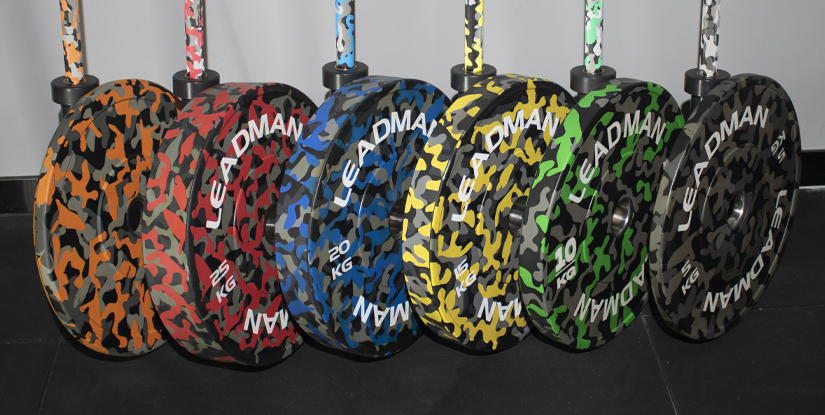
Establishing Quality Benchmarks for Weight Plates China Procurement
Selecting high-quality weight plates from the global supply chain requires moving beyond simple price-per-kilogram metrics. For commercial gym owners and facility managers, the primary risk is not just the initial cost, but the long-term operational impact of substandard manufacturing. A poorly cast plate or a poorly finished bumper plate can lead to uneven barbell loading, premature wear on bar sleeves, and even catastrophic damage to gym flooring.
When sourcing Weight Plates China, procurement professionals must establish strict technical benchmarks before the first shipment arrives. The difference between a high-tier manufacturer and a low-cost provider often lies in the precision of the internal density and the consistency of the outer diameter. A lack of standardized production processes leads to variations in plate thickness, which causes 'wobble' during heavy lifts, potentially destabilizing the athlete and increasing the risk of injury.
| Selection Criterion | Low-Tier Indicators | Commercial-Grade Standards |
|---|---|---|
| Material Uniformity | Air pockets, uneven density | Homogeneous cast or highly compressed rubber |
| Diameter Tolerance | Variable +/- 5mm | Strict +/- 1mm or less |
| Center Hole Precision | Loose fit on standard bars | Precision machined for snug barbell fit |
| Surface Finish | Rough edges, uneven coating | Smooth, uniform, and impact-resistant |
By implementing these criteria, you shift from reactive purchasing to proactive asset management. Once you have identified the baseline quality standards, the next logical step is to understand the specific material compositions available in the market.
Analyzing Material Compositions and Durability Profiles
Understanding the material science behind the equipment is essential for matching the right plate to the specific training environment. Whether you are outfitting a high-impact CrossFit box or a traditional bodybuilding club, the choice of material dictates the maintenance interval and the longevity of your surrounding infrastructure.
Cast Iron vs. Rubber-Coated Options
Cast iron remains the industry standard for durability and density, but it requires careful inspection of the coating quality. In many cases, the 'failure mode' of cast iron plates is not the iron itself, but the degradation of the paint or powder coating, which leads to oxidation and unsightly rust. Conversely, rubber-encased plates are designed to absorb kinetic energy, making them ideal for dynamic movements. However, low-quality rubber can suffer from 'blooming'—a process where chemical additives migrate to the surface, creating a white, powdery residue that can damage gym flooring.
Bumper Plate Engineering Standards
High-performance bumper plates must possess a specific degree of elasticity. If the rubber is too hard, the shock transmission to the floor is excessive; if it is too soft, the plate will deform and lose its shape over time. When evaluating a supplier, request data regarding the Shore hardness or the impact-absorption capabilities. A common mistake is overlooking the internal structural integrity of the plate; a poorly constructed bumper plate may feature an inconsistent core, leading to uneven bouncing patterns that can be dangerous during high-volume training.
A deep understanding of material behavior allows you to predict how your equipment will age. This foresight is vital when you move into the practicalities of inspecting incoming shipments.
Operational Inspection and Verification Protocols for Incoming Shipments
Once your shipment of Weight Plates China arrives, a systematic inspection is your only defense against high return rates and operational downtime. Relying on a visual check is insufficient; professional facility managers use a series of physical tests to verify that the manufacturer's technical specifications match the physical product.
The most common failure during the receiving process is the assumption that all plates of the same declared weight are equal. In reality, without strict weight-control protocols, a 20kg plate might actually weigh 19.5kg or 20.5kg. This discrepancy can lead to imbalanced barbell loading, which puts unnecessary torque on the barbell and the athlete's joints.
- Weight Calibration Test: Use a high-precision digital scale to check a sample of 5% of the total shipment. Tolerance should be within +/- 1% of the declared weight.
- Diameter Consistency Check: Use a caliper to measure the outer diameter of multiple plates across different weight denominations to ensure they fit within your standardized barbell system.
- Center Hole Integrity: Inspect the inner diameter of the holes to ensure there is no excessive play when mounted on a standard 50mm barbell.
- Surface Inspection: Check for micro-cracks in rubber surfaces or unevenness in metal coating that could indicate structural weaknesses.
Effective inspection prevents flawed inventory from entering your active training zones. However, even perfectly inspected plates require a structured maintenance regimen to ensure long-term safety.
Related reading:
Maintenance Intervals and Long-Term Asset Preservation
The longevity of your strength equipment is directly proportional to the frequency and quality of your maintenance routines. While weight plates are often viewed as 'set and forget' items, they are subject to constant physical stress and environmental factors that can cause gradual degradation.
For commercial facilities, the primary maintenance concerns are oxidation, surface contamination, and structural deformation. In environments with high humidity or inadequate ventilation, even high-quality cast iron can begin to show signs of surface rust if the protective coating is breached. Identifying these issues early can prevent the need for expensive full-scale replacements.
| Component Type | Potential Failure Mode | Corrective Action | Verification Method |
|---|---|---|---|
| Cast Iron Plates | Surface Rust/Oxidation | Light abrasive cleaning & re-coating | Visual inspection for orange tint |
| Rubber Bumper Plates | Surface Cracking/Deformity | Replace if structural integrity is compromised | Manual pressure/Hardness check |
| Rubber Coatings | Oily Residue (Blooming) | Clean with mild detergent/Water | Tactile/Surface residue check |
Regularity is key. A monthly deep-clean and inspection of the weight inventory ensures that the equipment remains a safe, professional-looking asset for your members. Following a successful maintenance cycle, operators must be prepared for the inevitable troubleshooting that occurs during high-use cycles.
Related reading:
Troubleshooting Weight Distribution and Loading Issues
One of the most frustrating issues for both trainers and athletes is an imbalanced barbell, where one side of the load feels heavier or behaves differently than the other. This is rarely a fault of the lifter; it is almost always an issue with the weight plates or the loading technique.
Identifying the Root Cause of Imbalance
If a barbell feels 'unbalanced,' you must determine if the cause is mechanical or related to the plates themselves. If the plates are of inconsistent density, they will react differently to centrifugal force during rotational movements, such as cleans or snatches. This can lead to a dangerous shift in the center of mass. The cause is often a lack of precision in the manufacturing phase, where the density of the metal or rubber core is not uniform throughout the plate.
Actionable Solutions for Imbalanced Loads
To resolve these issues, follow this troubleshooting checklist:
- Isolate the Plate: Remove all plates from the bar and weigh individual plates on a single scale. If one side consistently weighs less, the issue is the plate manufacturing.
- Check the Barbell Sleeve: Ensure the barbell sleeves are not worn or bent, as this can cause plates to sit unevenly, creating a perceived weight imbalance.
- Verify Loading Symmetry: Ensure plates are loaded in the same order on both sides (e.g., heavy plates on the inside, lighter plates on the outside) to maintain a consistent center of gravity.
By systematically isolating the variables, you can quickly determine whether you are facing a material defect or a procedural error. Maintaining this technical rigor is essential as you evaluate the long-term ROI of your equipment investments.
Related reading:
Evaluating ROI and Long-Term Procurement Strategy
Deciding whether to source Weight Plates China or move toward local/premium brands is a decision that affects your facility's bottom line for years. A low initial purchase price can be deceptive if the replacement cycle is twice as frequent as premium alternatives due to material degradation or manufacturing inconsistencies.
A professional procurement strategy involves calculating the Total Cost of Ownership (TCO). This includes the initial purchase price, shipping/freight costs, potential customs duties, and the estimated replacement frequency. For example, a high-density, well-coated bumper plate may cost 30% more upfront but may last 5 years longer in a high-traffic commercial setting than a budget-tier alternative.
Determining the Ideal Replacement Cycle
To estimate when you will need to reinvest, monitor the following metrics closely:
- Surface Wear Rate: How often are you having to clean or treat the plates for rust or residue?
- Impact Damage Frequency: How many plates show signs of cracking or permanent deformation after a year of use?
- Member Feedback: Are users reporting 'unevenness' or 'bouncing' issues during heavy training?
By tracking these variables, you can build a more accurate depreciation model for your equipment. Ultimately, a successful procurement strategy balances the immediate need for capital efficiency with the long-term requirement for equipment reliability and athlete safety.