
Optimizing Facility Layout with Customisable Dumbbells
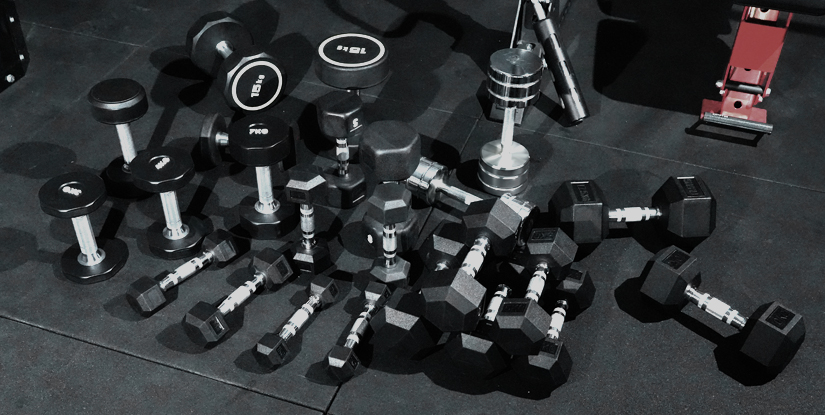
Facility managers often encounter a recurring bottleneck: the disproportionate weight distribution of traditional dumbbell sets. When a gym relies on fixed-weight sets, high-demand weights—typically the 10kg to 25kg range—are frequently depleted or left scattered, while lighter or excessively heavy weights remain untouched. This imbalance leads to inefficient floor space utilization and decreased throughput during peak hours. Utilizing Customisable Dumbbells offers a technical solution to this spatial and operational inefficiency by allowing for rapid weight adjustments within a single set of equipment. Transitioning from static to adjustable systems requires a deep understanding of mechanical integrity and loading protocols to ensure long-term durability.
Mechanical Failures in Adjustable Weight Systems
Before implementing a high-density training area, it is essential to understand the specific mechanical vulnerabilities that can arise when using modular equipment. The primary cause of failure in adjustable systems is typically related to the locking mechanism or the interface between the weight plates and the handle. If the locking mechanism is not fully engaged or if the tolerances between components are poor, the result is often unbalanced weight distribution or, in severe cases, complete structural failure during a lift.
Common Causes of Weight Drift and Imbalance
In many commercial environments, weight drift—where the load shifts during an eccentric movement—is caused by worn-out friction collars or loose selector pins. This is particularly common when operators use equipment that does not meet strict commercial-grade tolerances. When the load is unevenly distributed, it places asymmetrical stress on the user's wrist and the equipment's central shaft, leading to premature wear of the internal bushings.
| Failure Mode | Primary Cause | Operational Impact | Verification Method |
|---|---|---|---|
| Selector Pin Looseness | Detected via slight oscillation during movement | Diminished user confidence and potential injury | Urgently check pin seated position |
| Weight Plate Rattle | Detected via high-frequency noise | Wear on internal threading or collars | Check plate fitment and tightness |
| Handle Grip Degradation | Detected via tactile slickness | Reduced control during high-intensity sets | Inspect rubber or knurling integrity |
Identifying these failure modes early prevents total equipment replacement and ensures safety. Once these mechanical risks are understood, the focus must shift to the specific selection criteria that prevent such issues at the procurement stage.
Selection Criteria for High-Performance Customisable Dumbbells
Navigating the technical specifications of adjustable equipment is the first step in preventing the mechanical issues discussed previously. A facility manager must look beyond aesthetic appeal and focus on the metallurgical and engineering standards of the device. The objective is to find a system that balances the speed of weight adjustment with the structural rigidity required for heavy commercial use.
Evaluating Load Rating and Material Integrity
When evaluating Customisable Dumbbells, the load rating is the most critical metric. A commercial-grade dumbbell must not only state its maximum weight but also its weight increments. Small, granular increments are ideal for progressive overload, but they increase the complexity of the locking mechanism. You must verify that the material used for the central shaft is a high-tensile steel capable of withstanding repeated impact and high rotational torque.
- Shaft Composition: Look for reinforced steel rather than lightweight alloys to ensure rigidity under heavy loads.
- Increment Precision: Ensure the system offers consistent weight steps (e.g., 2kg or 2.5kg increments) to allow for precise training.
- Coating Durability: Select equipment with high-grade urethane or rubber coatings to protect both the weight and the flooring.
Selecting the right specifications prevents the mechanical degradation discussed in the previous section. However, even the highest-quality equipment requires a strict operational framework to maintain its integrity.
Related reading:
Operational Setup and Weight Transition Protocols
Even the most robust adjustable system will fail if the transition protocols are poorly managed. The process of changing weights should be a controlled, deliberate action rather than a hurried movement. In a commercial setting, the lack of a standardized setup process often leads to dropped plates or damaged selector pins.
Standardizing the Weight Adjustment Process
Operators should follow a strict sequence to ensure the integrity of the adjustment mechanism. A common mistake is attempting to change weights while the dumbbell is still in a horizontal, unbalanced position. This places lateral stress on the selector pins. Instead, the dumbbell should always be placed on a flat, stable surface before any weight is added or removed.
- Leveling: Place the dumbbell on a level surface (preferably a specialized dumbbell rack or high-density mat).
- Disengagement: Fully retract or release the locking mechanism before attempting to move any plates.
- Plate Alignment: Ensure each plate is centered on the shaft before re-engaging the lock.
- Final Verification: Perform a light 'shake test' (a small, controlled movement) to ensure the plates are secured and the weight is balanced.
Following these protocols significantly extends the lifecycle of the equipment. With a standardized setup in place, the facility can now focus on the long-term maintenance required to keep these systems in peak condition.
Related reading:
Maintenance Intervals and Preventative Inspection Checklists
Maintenance for modular equipment is not a luxury; it is a requirement for operational continuity. Unlike traditional dumbbells, which require almost zero maintenance, adjustable systems possess moving parts that are subject to friction, debris, and mechanical fatigue. A lack of a regular inspection cadence will inevitably lead to the failure modes identified earlier.
The Daily vs. Monthly Inspection Framework
Facility operators should implement a two-tiered inspection strategy. Daily checks are visual and tactile, designed to catch immediate hazards, while monthly checks are more technical and structural. This approach ensures that minor issues like a loose screw or a worn-down grip do not evolve into catastrophic failures.
| Inspection Frequency | Component to Check | What to Look For | Action Required |
|---|---|---|---|
| Daily (End of Shift) | Plates/Locking Mechanism | Loose plates or visible cracks | Remove from circulation immediately |
| Daily (End of Shift) | Handle/Grips | Slippery or worn-out grips | Clean or replace grip sleeves |
| Monthly (Technical) | Housing Bolts | Torque irregularities | Tighten to manufacturer specs |
| Monthly (Technical) | Selector Mechanism | Smoothness of movement | Lubricate or replace mechanism |
A disciplined maintenance schedule ensures that the high capital expenditure of purchasing Customisable Dumbbells yields a long-term return on investment. Once the maintenance cycle is established, the final consideration is how this equipment impacts the broader gym environment, specifically the floor and layout.
Related reading:
Optimizing Floor Load and Shock Absorption
The integration of modular dumbbells into a training space requires a reassessment of the floor-load constraints. Because the weight of an adjustable system is often concentrated in a smaller footprint or involves rapid changes in weight distribution, the impact on the subfloor can be significant. This is a critical consideration for hotels and high-end clubs where flooring integrity is paramount.
Managing Impact Forces and Floor Integrity
When users transition between different weights, the frequency of setting the equipment down can vary. If the equipment is used without adequate shock absorption, the repeated impact can cause micro-fractures in the subfloor or degrade the structural integrity of the building. The goal is to create a high-density zone that mitigates these forces.
Professional facility managers should prioritize high-density rubber flooring with a specific Shore hardness range. This ensures that the floor can absorb the kinetic energy of a dropped adjustable dumbbell without losing its shape. A mismatch between the weight of the dumbbell and the density of the floor is a common cause of 'dead spots' in gym flooring, where the surface becomes permanently compressed over time.
Effective floor management is the final piece of the operational puzzle. By combining high-quality adjustable equipment with rigorous maintenance and proper flooring, a facility can maximize its training capacity while minimizing operational downtime.
Related reading:
Spatial Footprint and Equipment Density Optimization
The final stage of a successful layout involves calculating the exact spatial footprint required for Customisable Dumbbells compared to traditional sets. Because adjustable systems replace multiple static sets, the reduction in linear rack space can be substantial, often freeing up up to 40% of a weight area. However, this density comes with a requirement for increased perimeter clearance to allow for safe weight adjustments.
Calculated Placement Strategies
To maximize the benefit of modular systems, managers should utilize a 'Radial Placement' strategy. Instead of placing equipment against a wall, adjustable systems benefit from being in a central, accessible zone where users have sufficient clearance to perform the loading and unloading sequences without colliding with other members. A common mistake is over-stuffing the weight area, which leads to user frustration and increased mechanical accidents.
When designing the zone, consider a minimum clearance of 1.5 meters around the dumbbell rack. This allows for the full range of motion during the changeover process and ensures that the rapid weight adjustments do not interfere with adjacent training stations. By treating the adjustable equipment zone as a high-density, high-movement area, you ensure both efficiency and safety.