
Evaluating Top Gym Equipment Manufacturers: A Technical Procurement Guide
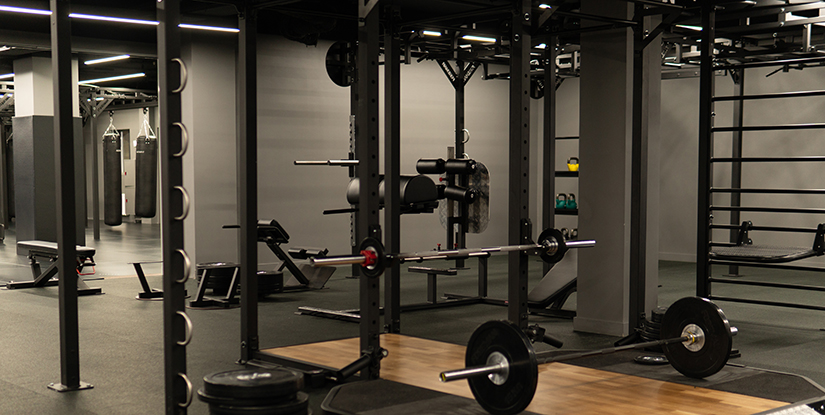
The Fundamentals of Structural Integrity in Heavy-Duty Manufacturing
When a facility manager or procurement specialist evaluates the capabilities of Top Gym Equipment Manufacturers, the conversation must move beyond aesthetic design and into the core physics of material science. The primary failure mode in commercial fitness environments is not typically a lack of user skill, but rather structural fatigue caused by suboptimal material selection or poor welding execution. A high-quality manufacturer addresses these issues at the molecular level by selecting specific steel grades and coating technologies that can withstand high-frequency impact and constant torsional stress.
Steel Gauge and Alloy Selection
The difference between a piece of equipment that lasts three years and one that lasts fifteen often resides in the wall thickness of the steel tubing. Professional-grade equipment typically utilizes heavy-duty carbon steel with a minimum wall thickness that prevents buckling under load. When sourcing, procurement teams should verify the gauge of the steel, as thinner-walled tubing is prone to deformation in high-impact zones like squat racks or weight plates. A common mistake is accepting equipment that appears robust but utilizes low-density alloys that lack the necessary tensile strength for long-term commercial use.
Surface Treatment and Corrosion Resistance
The environmental resistance of a machine is determined by its coating process. Whether it is a powder coating or a specialized electro-static finish, the application must be uniform to prevent premature oxidation. A failure in the coating layer—often seen as bubbling or flaking—is a sign of improper surface preparation or a lack of adherence during the curing process. Buyers should look for manufacturers that utilize multi-stage cleaning processes to ensure maximum adhesion. This focus on surface finish not only preserves the visual appeal of the facility but also prevents the structural degradation caused by rust and environmental moisture.
By establishing these baseline material standards, a facility is better prepared to evaluate the more complex assembly processes that follow. Once the raw materials are secured, the focus shifts to the precision of the fabrication phase.
Precision Fabrication and the Mechanics of Assembly
Refining the raw steel into a functional piece of exercise equipment requires a level of precision that separates premium producers from low-tier suppliers. The transition from raw material to finished product is a highly controlled sequence where even a millimeter of deviation can result in catastrophic mechanical failure or uneven wear. This stage is where the durability of the Top Gym Equipment Manufacturers is truly tested through their adherence to strict tolerances.
CNC Machining and Tolerance Control
Modern manufacturing relies heavily on Computer Numerical Control (CNC) technology to ensure that every component, from pivot points to weight stacks, meets exact specifications. High-precision CNC cutting and bending are essential for maintaining the geometric integrity of the frame. If the tolerances are too wide, the equipment will experience 'play' or vibration during use, which leads to accelerated wear on the bearings and bushings. A critical inspection point for buyers is the smoothness of the movement in resistance-based machines; any stuttering or unevenness is a direct indicator of poor machine-tooling or assembly-line errors.
Advanced Welding Techniques
Welding is the most critical juncture in the assembly of strength equipment. A poorly executed weld can create a localized stress concentration point, which becomes a fracture site under heavy load. Top-tier manufacturers utilize robotic welding for consistency, ensuring that each bead is uniform and penetrates deeply into the base metal. Failure modes in welding often include undercut or slag inclusion, both of which weaken the joint. A professional verification step involves visual inspection for bead consistency and, in more rigorous environments, ultrasonic testing to ensure there are no internal voids within the structural seams.
| Welding Standard | Visual Indicator of Quality | Typical Failure Mode |
|---|---|---|
| Full Penetration Weld | Smooth, continuous bead with no gaps | Porosity or internal voids |
| Structural Corner Joint | Uniform thickness at the intersection | Undercutting (thinning of the base metal) |
| Robotic TIG/MIG | High precision and repetitive consistency | Spatter or irregular heat distribution |
Ensuring that the welding and machining processes are robust provides the foundation for the mechanical components that drive the user experience. With the frame secured, the focus turns to the movement mechanics and bearing longevity.
Mechanical Component Durability and Bearing Systems
While the steel frame provides the skeleton, the mechanical components—the bearings, cables, and pulleys—act as the nervous system of the equipment. A machine can have a perfect frame but become unusable if the moving parts fail prematurely. Understanding the internal mechanics is essential for predicting the total cost of ownership and the long-term maintenance requirements of a facility.
Bearing Precision and Lubrication Longevity
The lifespan of a selectorized machine is almost entirely dependent on the quality of its bearing systems. High-grade manufacturers utilize sealed, stainless steel bearings designed to operate with minimal friction and high load capacity. A common pain point for operators is the 'gritty' feel of a machine, which occurs when low-quality bearings or insufficient lubrication is used. This friction generates heat and microscopic metal shavings, which eventually lead to total bearing failure. During procurement, one should inquire about the bearing specifications and the type of lubrication used in the sealed units.
Cable Tensile Strength and Pulley Dynamics
In cable-based machines, the cable is a high-wear component that requires constant scrutiny. Professional-grade cables are typically constructed from aircraft-grade steel with high-tensile strength and a durable outer coating to prevent fraying. The pulleys that guide these cables must also be of high quality, featuring low-friction wheels that do not cause the cable to unravel. A frequent oversight in facility management is failing to check the pulley groove depth; if the groove is too shallow, the cable can jump out of alignment, leading to sudden breakage and potential injury.
- Verification Step: Perform a manual resistance test on every cable path to check for snagging or friction points.
- Maintenance Tip: Regularly inspect cable coatings for any signs of fraying or 'kinking' which indicates internal wire breakage.
- Decision Metric: Favor machines with encased cable paths to reduce dust accumulation and mechanical interference.
When these mechanical systems are performing optimally, the machine provides a smooth, intuitive resistance. However, even the best mechanical systems require a structured approach to long-term maintenance and operational oversight.
Related reading:
The Impact of Floor Load and Facility Infrastructure
The integration of heavy equipment into a commercial space is not just about the machines themselves, but how they interact with the building's architecture. A failure to account for the weight and vibration of the equipment can lead to permanent damage to the flooring and the structural integrity of the building floor. This is a critical consideration for both initial procurement and long-term facility management.
Static vs. Dynamic Load Calculations
When selecting equipment, it is vital to distinguish between static load (the weight of the machine itself) and dynamic load (the force exerted when a user drops a barbell or moves heavy weights). High-impact strength training can create massive downward forces that exceed the static weight of the machine. If a facility is located on an upper floor, these dynamic loads must be carefully calculated to ensure they do not exceed the building's floor-load capacity. Failure to account for dynamic impact is a leading cause of sub-floor cracking in multi-use commercial buildings.
Shock Absorption and Floor Hardness
To mitigate the impact of heavy weights, a high-quality flooring solution must be integrated into the installation plan. This involves more than just aesthetic choice; it requires an understanding of Shore hardness and impact absorption. A floor that is too hard will reflect kinetic energy back into the equipment, causing more wear on the machines and potential injury to users. Conversely, a floor that is too soft may lead to instability for machines that require a level, rigid base. A professional procurement process should include a review of the flooring specifications alongside the equipment order.
| Floor Type | Best Use Case | Primary Risk |
|---|---|---|
| High-Density Rubber Roll | General Strength/Cardio | Compressive creep over time |
| Interlocking Rubber Tiles | High-Impact Areas | Gaps forming at seams under heavy load |
| Wood/Vinyl with Sub-floor | Functional/Yoga/Mobility | Damage from dropped weights/impact |
A well-integrated floor-equipment ecosystem ensures that the facility remains safe and durable. Once the physical layout and load constraints are addressed, the final step is establishing a sustainable maintenance and procurement lifecycle.
Related reading:
Establishing a Sustainable Maintenance and Procurement Lifecycle
The final stage of the procurement process involves moving from the initial purchase to a long-term operational strategy. The goal is to prevent the 'death by a thousand cuts' scenario, where minor, unaddressed issues lead to expensive, large-scale replacements. A successful facility manager views equipment not as a one-time purchase, but as a managed asset with a predictable lifecycle.
Developing a Preventative Maintenance Schedule
Rather than reacting to broken machines, professional facilities implement a proactive maintenance cadence. This involves regular visual inspections, lubrication of moving parts, and bolt-torque checks. The most successful operations maintain a digital log of all maintenance activities, which allows them to track the performance and degradation of specific pieces of equipment over time. This data is invaluable when deciding whether to repair or replace an aging unit.
Verification of Warranty and After-Sales Support
The true value of working with top-tier manufacturers is often found in their after-sales support and warranty terms. A warranty that only covers parts but not labor—or one that has highly restrictive 'commercial use' exclusions—can become a significant financial burden. When evaluating suppliers, procurement teams should demand clarity on the following:
- Service Response Times: How quickly can a technician arrive for a critical failure?
- Parts Availability: Are the proprietary components easily accessible or subject to long lead times?
- Warranty Scope: Does the coverage include structural components and moving parts under heavy commercial use?
Furthermore, evaluating the digital integration of modern Top Gym Equipment Manufacturers can reveal their commitment to long-term service. Some suppliers now offer IoT-enabled diagnostic tools that alert operators to mechanical friction or component wear before a total breakdown occurs. This integration of smart technology into the procurement lifecycle represents the cutting edge of facility management.
Related reading:
Strategic Sourcing and Supplier Diversification
As the procurement cycle reaches maturity, decision-makers must decide between consolidating with a single provider or diversifying their supplier base. While a single-source strategy simplifies logistics and training, it introduces a single point of failure in the supply chain. A diversified approach allows for specialized equipment sourcing but increases the complexity of maintenance and parts management.
The Risks of Single-Source Procurement
Relying solely on one manufacturer for all strength, cardio, and functional equipment can lead to extreme vulnerability if that manufacturer faces economic or logistical disruptions. If a specific piece of specialized machinery fails and the manufacturer has a sudden change in lead times, the facility’s operational capacity is immediately throttled. A critical parameter for risk assessment is the manufacturer's geographical diversification—do they produce in one region, or do they have a global footprint?
The Complexity of Multi-Supplier Environments
Managing multiple vendors requires a more robust administrative infrastructure. While it allows you to pick the best specialist for each discipline, it also necessitates multiple service contracts, varied maintenance schedules, and different parts inventories. A common mistake is failing to standardize the connection points or user interfaces across different brands, which can lead to inconsistent user experiences and increased training overhead for facility staff.
| Procurement Model | Primary Advantage | Primary Disadvantage |
|---|---|---|
| Single-Source | Streamlined logistics & consistent branding | High supply chain vulnerability |
| Multi-Vendor | Access to specialized, top-tier equipment | Complex maintenance & inventory needs |
By mastering these procurement stages—from material science to strategic sourcing—facility managers can move from being reactive purchasers to proactive asset managers, ensuring long-term commercial success.