
Optimizing Performance with Adjustable Kettlebell Competition Standards
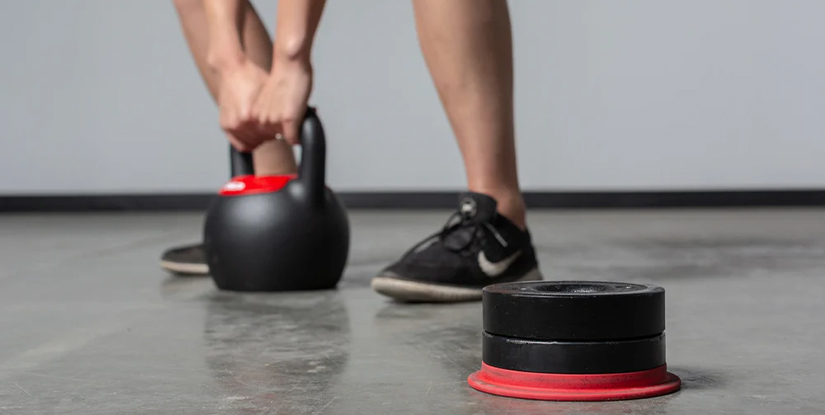
In the high-stakes environment of professional strength training and sanctioned events, the precision of equipment is often the thin line between a record-breaking set and a safety incident. A common misconception in facility management is that any heavy weight can function as a competition-grade implement. However, the nuances of weight distribution, handle ergonomics, and locking mechanisms differentiate a standard training tool from a professional-grade Adjustable Kettlebell Competition standard. For gym owners and facility operators, understanding these technical distinctions is vital for ensuring both athlete performance and long-term equipment durability.
The Fallacy of Standard Weight Increments in Competition
Many operators assume that as long as a kettlebell reaches a target weight, the incremental mechanism is irrelevant. This is a dangerous oversight. In professional settings, the accuracy of weight transitions is paramount. Traditional fixed kettlebells are perfectly balanced, whereas many adjustable models suffer from center-of-gravity shifts as plates are added or removed.
The core problem arises when a device lacks a centered loading system. If the weight is not distributed symmetrically around the handle axis, the kinetic energy of the bell changes during dynamic movements like the snatch or clean. This causes an unpredictable 'wobble' that can lead to wrist fatigue or even injury. To prevent this, operators must verify that the weight-loading architecture is concentric with the handle. Choosing a model with a high-precision internal track ensures that the center of mass remains stable regardless of the selected weight setting.
Identifying these discrepancies early prevents the procurement of equipment that will quickly become obsolete or unsafe for advanced users. This structural stability is the foundation upon which we must evaluate the mechanical components of the device.
Mechanical Integrity and Loading Tolerance Verification
Once the baseline for balance is established, the next critical factor is the mechanical tolerance of the adjustment system. A common failure mode in lower-tier adjustable models is the gradual loosening of the weight-retaining mechanisms due to vibration and repeated impact.
When a facility transitions from standard training to high-intensity or competitive-style sessions, the vibration frequency increases. If the internal locking pins or collars do not meet specific tension requirements, the plates may shift, causing a sudden change in inertia. Operators should utilize a standardized checklist to verify mechanical integrity during every quarterly inspection.
The Component Precision Checklist
| Component | Verification Method | Acceptable Threshold |
|---|---|---|
| Locking Mechanism | Manual tension test | Zero lateral movement when weight is shaken |
| Handle Diameter | Digital caliper measurement | Consistency within +/- 0.5mm across settings |
| Weight Plate Stability | Rapid rotation test | No audible shifting or rattling during movement |
| Surface Friction | Tactile inspection | Consistent texture regardless of weight setting |
By adhering to these quantitative benchmarks, facility managers can move from reactive troubleshooting to proactive maintenance. However, even with high-precision components, the choice of material remains a decisive factor in long-term ROI.
Related reading:
Material Selection and Surface Finish Dynamics
Understanding the mechanical precision is only half the battle; the physical interface between the athlete and the equipment determines how that precision is felt. A common mistake in procurement is overlooking the coefficient of friction provided by the handle finish. A handle that is too smooth may cause slips during high-repetition sets, while a too-aggressive texture can cause skin abrasion.
For a Adjustable Kettlebell Competition to be effective, the handle must offer a predictable grip that remains consistent even as the athlete's hands become sweaty. Professional-grade equipment typically utilizes powder-coated steel or high-density composite coatings to achieve this balance. This choice directly impacts the lifespan of the tool, as high-quality finishes resist the corrosive effects of sweat and environmental humidity better than basic paint.
When selecting equipment, consider the following comparison of common finishes to guide your decision-making process:
Comparison of Handle and Body Finishes
| Finish Type | Pros | Cons | Best Use Case |
|---|---|---|---|
| Powder Coated | High durability and consistent grip | Can chip under extreme impact | High-traffic commercial gyms |
| Cast Iron (Uncoated) | Classic feel and high mass density | Prone to rust and irregular texture | Traditional strength training |
| Rubberized Coating | Excellent impact absorption | Degrades over time with sweat exposure | Residential or boutique studios |
Selecting the correct finish ensures the equipment remains a reliable asset rather than a maintenance burden. This material stability leads directly into the necessity of a rigorous maintenance schedule.
Related reading:
Implementing a Preventative Maintenance Schedule
Even the most durable equipment requires a systematic approach to upkeep to prevent the gradual degradation of its performance. A lack of structured maintenance is the primary cause of premature failure in adjustable weight systems. The most frequent issue reported by facility operators is the 'ghost weight' phenomenon, where a kettlebell feels slightly off-balance due to minute internal shifts or accumulated debris in the mechanism.
To combat this, a tiered maintenance approach is required. Rather than waiting for a part to break, operators should schedule interventions based on usage cycles rather than just elapsed time. This ensures that the Adjustable Kettlebell Competition standards are maintained throughout its lifecycle.
Tiered Maintenance Implementation
- Daily (Operator Level): Visual inspection for loose locking pins and a simple shake test to ensure no internal rattling occurs.
- Monthly (Technician Level): Microfiber wipe-down of the handle and body to remove sweat buildup; check all weight-transition points for smooth movement.
- Quarterly (Management Level): Full disassembly (if applicable) of the weight-loading track to clear out dust/grit; verify all bolts with a torque wrench.
Following this tiered approach reduces the frequency of unplanned downtime and extends the operational lifespan of your investment. Once the maintenance structure is in place, the final step is knowing how to diagnose a failure before it becomes a liability.
Troubleshooting Common Operational Failures
Despite the best maintenance, mechanical wear is an inevitability. Recognizing the early warning signs of failure allows for a controlled response rather than a panicked replacement. Most problems in adjustable systems stem from either extreme impact or environmental neglect.
If an athlete reports an inconsistent feel, do not simply dismiss it. Such reports are often the first sign of a deeper mechanical issue. Below are the three most common failure modes and how to resolve them.
Failure Mode Analysis and Resolution
- Problem: The weight feels 'sluggish' or uneven during swings.
Cause: Debris or oxidation within the internal weight-loading channel.
Fix: Clear the channel with compressed air and a non-abrasive cleaner; re-test the transition between increments.
Verification: Perform a slow-motion swing test to ensure the center of mass feels concentric. - Problem: The handle grip feels inconsistent or slippery.
Cause: Accumulation of skin oils and micro-particles, or degradation of the powder coating.
Fix: Clean the handle with an isopropyl-based solution; if coating is worn, evaluate the need for a professional re-coating.
Verification: Test with a dry cloth to ensure no residue remains after cleaning. - Problem: The locking mechanism does not engage securely.
Cause: Worn threading or a bent locking pin.
Fix: Replace the specific locking component; do not attempt to 'force' the existing part into place.
Verification: Use a torque wrench or the manual tension test outlined in the checklist.
Identifying these signs early prevents small mechanical errors from becoming major safety hazards. With these diagnostic skills, your facility is well-equipped to manage high-performance equipment effectively.
Related reading:
Kettlebell Revolution: Innovations and the Future of Fitness
Optimizing Facility Layout for High-Impact Usage
The longevity of your adjustable equipment is not just dependent on the device itself, but also on the environment in which it is used. A common failure point for premium gear is the impact surface. Dropping a heavy, adjustable-style kettlebell on a standard concrete floor or low-grade thin rubber matting will eventually damage the internal weight-retaining structures.
To protect your investment, the floor-load and shock-absorption capacity of your facility must be matched to the weight of the equipment. High-density flooring with a high Shore hardness rating is essential for damping the kinetic energy released during a dropped set. This protects not only the kettlebell but also the subfloor and the structural integrity of the building itself.
When planning your layout, ensure that there is a clear radius of safety around the training area to prevent accidental collisions with other equipment or walls, which can further stress the handles and locking mechanisms. By treating the entire training environment as a single integrated system, you ensure the highest level of performance and safety for all users.
Related reading:
Final Verification of Performance Standards
As an operator, your goal is to maintain a constant state of readiness. The ultimate test of your equipment management protocol is the consistency of the athlete experience. If your Adjustable Kettlebell Competition units can pass a rigorous, multi-point inspection without a single anomaly, your system is successful.
Successful implementation requires a shift from thinking of equipment as a 'buy and forget' commodity to seeing it as a precision tool that requires active management. By focusing on the technical aspects—tolerance, material science, and proactive maintenance—you build a facility that stands out for its professionalism and reliability.