
Optimizing Procurement for Wholesale Weight and Commercial Fitness Equipment
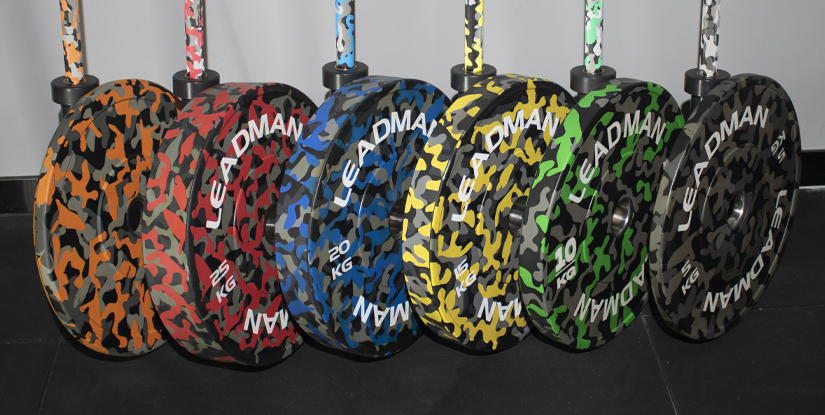
The Hidden Complexity of High-Volume Weight Procurement
Procurement managers in the commercial fitness sector frequently encounter a specific, recurring failure: the discrepancy between quoted specifications and the actual physical density of delivered products. When sourcing Wholesale Weight solutions—ranging from cast iron plates to high-density rubber bumper weights—the margin for error is remarkably slim. A failure to account for material density or casting tolerances does not merely result in a minor weight deficit; it creates a fundamental imbalance in a facility's training environment and can lead to long-term issues with equipment longevity.
The primary driver behind these discrepancies is often the lack of a standardized technical specification sheet during the bidding process. Many buyers focus exclusively on the unit price, overlooking the metallurgical composition or the molding processes used to achieve the desired mass. This oversight leads to equipment that may feel 'off-balance' during heavy lifts, potentially compromising user safety and satisfaction. To mitigate these risks, a professional procurement strategy must move beyond simple price-per-unit metrics toward a rigorous verification of material and tolerance standards.
Common Procurement Pitfalls
- Prioritizing Price Over Density: Selecting the lowest bid without verifying the core material density can lead to inconsistent weight distributions.
- Ignoring Tolerance Thresholds: Failure to define acceptable weight variance (e.g., +/- 1% vs +/- 3%) during the order phase.
- Neglecting Volume Logistics: Underestimating the actual spatial footprint of high-density weights during shipping planning.
Establishing a baseline for material quality is the essential first step before addressing the logistical complexities of storage and facility layout.
Material Selection and Density Verification Standards
Once the procurement team understands the risks associated with unverified density, the focus must shift toward selecting specific material profiles that align with the facility's operational intensity. The physical properties of the weight—whether it is cast iron, steel, or urethane-encased—will dictate the impact on the flooring and the long-term maintenance requirements. Selecting the wrong material class is a common cause of premature flooring degradation in high-traffic commercial zones.
Effective selection requires comparing the specific gravity and surface finish of the intended materials. For instance, a facility specializing in high-impact Olympic lifting requires a different density profile than a boutique hotel gym focusing on functional training. The following table outlines the technical characteristics typical of various commercial weight classes to assist in decision-making.
| Material Type | Typical Application | Primary Benefit | Maintenance Level |
|---|---|---|---|
| Cast Iron | Standard Strength Training | High durability and cost-efficiency | Low (requires rust prevention) |
| Rubber Coated | Functional and CrossFit Gyms | Reduced noise and impact vibration | Medium (surface wear monitoring) |
| Urethane Encased | Professional/Elite Training | Extreme durability and color retention | Very Low (highly resistant) |
| Steel Plates | Olympic Lifting Focus | Minimal thickness and rapid changeover | High (check for oxidation) |
A clear understanding of these materials ensures that the weight being ordered is actually capable of meeting the facility's impact-load requirements. This material selection process naturally leads to the critical question of how these heavy loads will be distributed across the existing floor structure.
Managing Floor-Load and Structural Impact
Selecting the correct material profile is only half the battle; the secondary failure mode involves the interaction between the heavy load and the facility's substrate. The cumulative weight of a full rack of high-density plates can exert immense pressure on even the highest-grade commercial flooring. If the floor-load rating of the building is not properly aligned with the mass of the installed equipment, structural deflection or subfloor cracking may occur.
Facility operators must calculate the total potential weight of a concentrated lifting area before finalizing any bulk orders. This is not just about the weight of a single barbell, but the total mass of the rack, the plates, and the kinetic energy generated during a drop. A common mistake is assuming that standard commercial flooring is sufficient for high-impact zones without additional shock absorption layers.
Verification Checklist for Floor Capacity
- Determine Subfloor Type: Identify if the base is concrete, raised flooring, or timber to understand load-bearing limits.
- Calculate Static Load: Total the mass of the weight rack plus its maximum possible plate capacity.
- Calculate Dynamic Load: Estimate the peak impact force of a dropped barbell to determine required Shore hardness of the top layer.
- Check Ceiling Clearance: Ensure high-density, high-volume racks do not interfere with overhead lighting or HVAC systems.
By verifying the structural capacity beforehand, operators can prevent the costly remediation of damaged subfloors. This structural readiness provides the foundation for an organized facility layout and long-term equipment maintenance.
Related reading:
Optimizing Facility Layout for Weight Distribution
With the structural capacity confirmed, the next step is the strategic placement of the equipment. A poorly planned layout can lead to uneven floor wear and logistical bottlenecks in high-traffic gym environments. The goal is to create a logical flow that accounts for both the physical footprint of the equipment and the operational clearance required for safe movement.
Efficient layout design should account for the 'footprint expansion' that occurs during use. For example, a barbell with 20kg plates has a significantly larger diameter than a standard bar. If the space between racks is too narrow, users may collide, or equipment may be struck during use. To prevent this, operators should utilize a designated spacing-to-diameter ratio during the planning phase.
Layout Implementation Parameters
| Zone Type | Required Clearance | Recommended Flooring Thickness | Ideal Material Class |
|---|---|---|---|
| Strength/Power Racks | 1.5m - 2m between units | 20mm - 40mm (High Impact) | Rubber/Urethane Bumper |
| Free Weight Area | Variable (based on plate diameter) | 15mm - 25mm (Medium Impact) | Cast Iron or Rubberized |
| Functional/HIIT Zone | Wide Open Areas | 8mm - 15mm (Low Impact) | Lightweight Bumper/Dumbbells |
Developing these zones based on material and impact requirements ensures that the physical layout supports the intended training styles. Once the layout is set, the focus must transition to the long-term preservation of the assets through a consistent inspection routine.
Related reading:
Establishing Inspection and Maintenance Protocols
Even the highest-quality equipment requires a structured maintenance regimen to prevent failure. The durability of the material is not infinite, and environmental factors like humidity and oxidation can degrade even the most robust steel and iron components. A failure to implement a regular inspection cycle often leads to the gradual degradation of both the equipment and the safety of the users.
For commercial facilities, maintenance is not just about cleaning; it is about verifying the structural integrity of the components. This includes checking for oxidation on cast iron, the integrity of rubber coatings on bumper plates, and the tension of any integrated rack components. Regularity is the key to preventing a minor issue from becoming a facility-wide replacement expense.
Maintenance Schedule and Verification Steps
- Weekly Visual Inspection: Check for surface rust on metal surfaces and cracks in rubber/urethane coatings.
- Monthly Load Testing: Inspect barbell sleeves for any signs of warping or structural fatigue under maximum load.
- Quarterly Hardware Check: Verify the torque of bolts on power racks and weight storage systems to ensure they haven't loosened due to vibration.
- Bi-Annual Floor Assessment: Inspect the flooring for indentation, thinning, or lifting under the heaviest weight areas.
A disciplined approach to maintenance ensures that the procurement investment remains viable for the long term. However, even with perfect maintenance, unforeseen failures can occur, necessitating a rapid response system.
Related reading:
Troubleshooting Common Equipment Issues and Wear Patterns
Despite rigorous maintenance, operators will eventually face equipment issues that require immediate attention. Identifying the root cause of a problem—whether it is a surface defect or a structural failure—is crucial to determining if the issue can be repaired or if a full replacement is necessary. Most equipment issues in a commercial setting are caused by either environmental exposure or misuse.
When an issue is detected, the first step is to categorize it. A surface-level issue, like minor oxidation, requires a different response than a structural issue, like a bent barbell. Understanding these distinctions prevents unnecessary replacement costs and keeps the facility running efficiently.
Failure Mode Diagnosis Guide
| Observed Symptom | Probable Cause | Actionable Fix | Verification Method |
|---|---|---|---|
| Surface Rust (Cast Iron) | High Humidity/Moisture | Sand and Apply Protective Oil | Touch test/Visual check |
| Cracked Bumper Plate | Excessive Drop Height | Replace Unit Immediately | Weight/Structural Integrity test |
| Wobbling Rack Unit | Bolt Loosening/Vibration | Retighten to Manufacturer Specs | Torque Wrench Verification |
| Dull/Faded Coating | UV Exposure/Cleaning Agents | Deep Clean/Re-coat (if applicable) | Visual Uniformity Check |
Identifying these symptoms early allows for rapid intervention before a minor wear pattern evolves into a safety hazard. This diagnostic capability is the final layer in a comprehensive management strategy that begins with procurement.
Related reading:
The Evolution of Weight Standards and Procurement Technology
The landscape of commercial fitness procurement is moving toward higher levels of transparency and standardization. As facilities become more sophisticated, the requirements for material precision and data-driven procurement are increasing. The future of sourcing high-quality, durable weight solutions lies in the integration of better material science and more detailed technical documentation.
We are seeing a trend toward the use of advanced sensor-based verification and more rigorous certification processes for commercial-grade equipment. This evolution helps bridge the gap between the initial procurement phase and the long-term operational reality. As buyers become more educated on the technical nuances of density and material composition, the industry at large will see a reduction in the 'discrepancy' failures common in the past.
Staying ahead of these trends requires a commitment to continuous learning and a focus on the fundamental physics of the equipment being managed. Whether it is a small boutique gym or a large-scale commercial club, the principles of material selection, structural integrity, and regular inspection remain the bedrock of successful facility operations.