
Optimizing Performance and Durability of a Rubber Bumper Plate Set
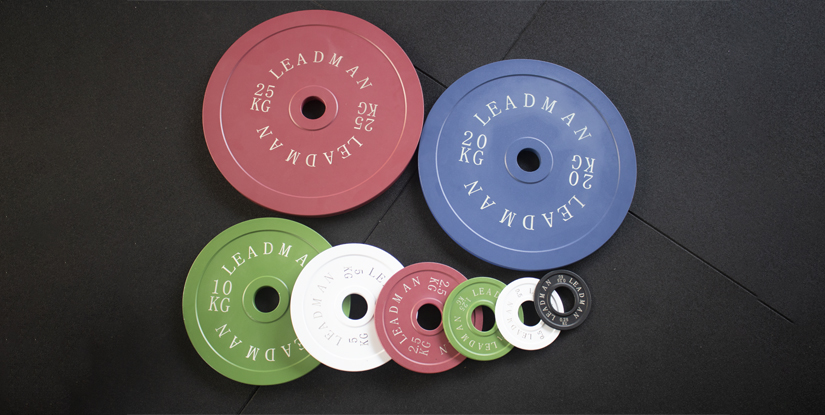
Mitigating Impact Damage through High-Quality Rubber Selection
Facility managers often encounter premature degradation in training environments, where dropped weights lead to cracked surfaces or uneven bounces. This degradation is rarely a result of poor training technique alone; rather, it is frequently a symptom of suboptimal material density within the Rubber Bumper Plate Set. When high-impact loads hit a floor, the energy must be absorbed, not just deflected. If the rubber density is insufficient, the kinetic energy travels through the plate and into the structural integrity of the barbell and the gym floor, leading to costly damage.
The fundamental cause of this failure is a mismatch between the Shore hardness of the rubber and the intended use case. For example, a plate designed for light functional training may lack the resilience required for heavy Olympic lifting. To prevent this, operators must verify the material composition and density before procurement. A well-constructed set utilizes high-density virgin rubber or high-grade recycled rubber with consistent Shore A hardness ratings. Selecting a set with a higher density threshold ensures that the energy absorption remains consistent even after thousands of drops, thereby protecting both the equipment and the facility's flooring. This initial focus on material integrity sets the stage for understanding how plate geometry influences long-term stability.
Material Density and Impact Absorption
When evaluating density, professionals should look for consistency in the cross-section. A common mistake is purchasing plates with a thin rubber skin over a low-density core, which leads to 'edge chipping' during lateral impacts. A professional-grade set maintains a uniform density throughout the circumference to ensure predictable bounce characteristics.
Evaluating Plate Tolerance and Dimensional Consistency
Effective material selection is only the first step; the second critical component is the dimensional tolerance of the Rubber Bumper Plate Set. Many operators report an issue where plates of the same weight class appear to have different diameters or thicknesses. This discrepancy is not merely an aesthetic concern; it creates significant imbalances during high-velocity movements, potentially causing the barbell to tilt or oscillate unexpectedly during a lift.
The cause of these dimensional variances usually lies in the molding process. If the temperature or pressure is not precisely controlled during the vulcanization of the rubber, the resulting plate may deviate from the standard diameter. This leads to a 'unbalanced bar' sensation that can compromise athlete safety and performance. To verify quality, a facility manager should utilize a caliper to measure the diameter and thickness of multiple plates within a single set. A high-quality set should maintain a tolerance within a very narrow margin, typically less than 2-3% deviation. If the plates in a set do not match in diameter, the barbell's center of gravity will shift as it rotates, creating a hazardous lifting environment. Once dimensional consistency is confirmed, the next logical step is to examine the center hub construction.
| Metric | Standard Tolerance | Potential Failure Mode |
|---|---|---|
| Diameter Consistency | ±2mm per weight class | Barbell oscillation/imbalance |
| Thickness/Width | ±1.5mm | Uneven bar loading |
| Center Hole Diameter | Standard 50mm (±0.5mm) | Barbell slippage or friction |
Establishing these tolerances ensures the physics of the lift remain predictable, which leads directly into the structural necessity of a robust center hub.
The Critical Role of the Steel Inner Hub
While the outer rubber shell handles impact, the internal metal component—the center hub—mantains the load's structural integrity. A common failure mode in lower-tier equipment is the separation of the rubber from the metal ring, a phenomenon often referred to as 'de-lamination.' This occurs when the bond between the vulcanized rubber and the steel hub is weak, caused by inadequate thermal bonding or contaminated materials during manufacturing. When a plate de-laminates, the weight distribution shifts, making the plate dangerous to use under load.
To ensure long-term reliability, the hub must be made of heavy-duty steel and be deeply integrated into the rubber shell. Professional operators should look for evidence of a high-quality fit, where the transition between the steel and the rubber is seamless. A common mistake is to ignore the weight of the hub itself; a lighter hub can lead to a more fragile plate that is prone to denting. A high-performance Rubber Bumper Plate Set will feature a hub that provides enough mass to maintain the plate's center of gravity while providing a secure, non-slip interface for the barbell sleeve. This structural integrity is what allows the plate to endure the rigors of daily commercial use without losing its shape or weight accuracy.
Hub Material and Fitment Specifications
In a commercial setting, the hub must withstand constant friction from the barbell sleeves. If the hub surface is too coarse, it can cause premature wear on the barbell; if it is too smooth, the plate may not sit securely. A professional-grade hub is often precision-machaled to ensure a smooth rotation and a consistent fit on 50mm Olympic bars.
Related reading:
Preventing Surface Abrasion and Material Erosion
Following the successful integration of the hub, the durability of the external surface becomes the next point of failure. Surface erosion occurs when the rubber's surface finish is too soft, causing it to 'shed' or become pitted over time through repeated contact with the floor. This is often caused by the use of low-grade recycled materials that contain excessive amounts of non-rubber fillers, which break down under high-frequency impact.
This erosion is more than a cosmetic issue; as the surface degrades, the plate's ability to grip the floor diminishes, which can lead to unpredictable sliding during a drop. To prevent this, operators should specify plates with a high-durability surface finish designed for high-traffic areas. A useful verification method is the 'scratch test' or visual inspection for surface dusting. If a new set of plates leaves a fine black residue on the floor or hands when handled, it is a strong indicator that the rubber is poorly bound and will likely erode quickly. Maintaining the surface integrity is closely tied to how the plates are stored and cleaned between sessions.
Related reading:
Operational Maintenance and Cleaning Protocols
The longevity of a Rubber Bumper Plate Set is heavily dependent on the daily maintenance routines established by the facility operator. Neglecting the cleaning of these plates can lead to the buildup of sweat, oils, and chalk, which can chemically interact with the rubber over time, leading to hardening or cracking. Furthermore, if the plates are stored in a damp or unconditioned environment, moisture can penetrate the hub-to-rubber interface, causing internal corrosion or mold growth.
Effective maintenance involves more than just wiping them down; it requires a systematic approach to both cleaning and inspection. A standard protocol should include a weekly inspection of the outer circumference for any signs of chipping or pitting and a monthly check of the hub-to-rubber bond. When cleaning, use only mild, pH-neutral cleaners. The use of harsh chemical solvents or high-pressure washers is a frequent mistake that strips the rubber of its essential plasticizers, causing the plates to become brittle and prone to cracking. By adhering to a structured maintenance schedule, facilities can significantly extend the ROI of their equipment. Regular maintenance also provides the opportunity to catch small issues before they become catastrophic failures.
Daily and Weekly Maintenance Checklist
- Daily: Visual check for major cracks or surface debris.
- Weekly: Wipe down with a damp, non-abrasive cloth and mild detergent.
- Monthly: Inspect the center hub for any signs of loosening or metal deformation.
- Quarterly: Perform a comprehensive weight-balance check across the entire set.
A consistent maintenance routine not only preserves the equipment but also ensures the safety of the end-users.
Related reading:
Analyzing Load-Bearing Capacity and Durability Ratings
Understanding the difference between various load ratings is essential for long-term procurement decisions. Many buyers assume that all bumper plates are created equal, but the distinction between 'training' and 'competition' grade is significant. A competition-grade plate is engineered with much tighter tolerances and higher density to ensure it behaves identically every time it is dropped, whereas a standard training set may have more variance in bounce and diameter.
The cause of mismatched expectations in gym procurement is often a lack of understanding regarding the intended use case. For example, using lightweight training plates for high-volume deadlifts can lead to rapid deformation. To make an informed decision, compare the specifications of the sets you are considering against your facility's primary training modality. If your facility focuses on heavy Olympic lifting, prioritize density and diameter tolerance. If the focus is on metabolic conditioning and lighter movements, a standard set may suffice. This data-driven approach to selection ensures that the equipment matches the physical demands of the environment.
| Feature | Standard Training Set | Competition Grade Set |
|---|---|---|
| Primary Use | General Strength/Cross-Training | Olympic Lifting/High-Frequency Drop |
| Diameter Tolerance | Widest/Moderate Variance | Extremely Tight/Uniform |
| Bounce Consistency | Variable | Highly Predictable |
| Lifespan (High Usage) | Moderate | Long-Term/Industrial |
With the technical requirements for different grades of equipment understood, operators can now focus on the final stage: verifying the total set's performance in the field.
Related reading:
Verifying Performance and Final Inspection Protocols
The final stage of any procurement or maintenance cycle is the verification of the Rubber Bumper Plate Set's actual performance in the operational environment. This is where theoretical specifications meet real-world application. Verification ensures that the installation and usage patterns are not undermining the durability of the plates or the safety of the facility.
A common failure in the verification process is checking only a single plate rather than the entire set. Because manufacturing variances can exist within a single batch, it is crucial to perform a holistic check. A professional verification protocol involves three distinct tests: the 'Balance Test,' the 'Impact Test,' and the 'Tolerance Test.' During the Balance Test, load several different plates on a barbell and perform slow, controlled movements to ensure no side-to-side oscillation occurs. The Impact Test involves dropping a single plate from a controlled height to observe the bounce height and sound—a consistent, deep sound indicates good density, while a hollow or high-pitched sound suggests air pockets or low density. Finally, the Tolerance Test involves a thorough measurement of diameter and thickness across the set to ensure compliance with your procurement standards. By implementing these verification steps, operators can be confident in the safety and longevity of their investment.
Related reading:
Optimizing Facility Layout for Bumper Plate Usage
The durability of a Rubber Bumper Plate Set is also a function of the environment in which it is used. Even the highest-quality plates will suffer if the floor-load constraints and ceiling heights are not properly addressed. The kinetic energy of a dropped plate travels through the rubber and into the floor; if the flooring system is not designed to absorb this energy, both the plates and the floor will degrade prematurely. This creates a feedback loop of damage that can be avoided with proper spatial planning.
When designing a lifting area, the height of the ceiling and the thickness of the flooring are the two most critical variables. For heavy lifting zones, a specialized high-density platform or rubber stall mats should be installed. If the ceiling is too low, the high bounce of a dense bumper plate can lead to equipment striking structural elements or overhead lights. Therefore, verification of the setup must include a check of the 'drop zone' clearance. By integrating the equipment requirements with the facility's architectural limitations, you create a sustainable environment for high-performance training.