
Optimizing Facility Procurement for Rubber 5Lb Plates
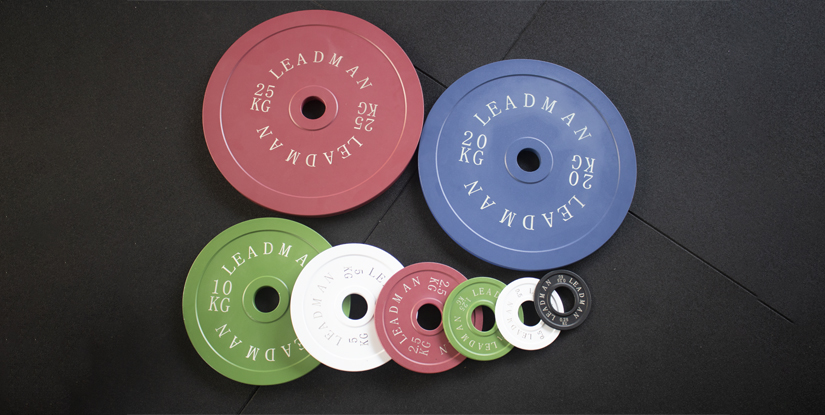
Selection Criteria for High-Density Rubber 5Lb Plates
Procuring supplemental weight for a commercial facility requires more than just looking at the nominal weight value. While heavier plates handle the bulk of structural loading, the precision and durability of smaller increments, such as Rubber 5Lb Plates, dictate the long-term usability of specialized barbell setups and dumbbell arrays. A common failure in procurement is overlooking the material density and the quality of the inner core, which can lead to uneven weight distribution or premature casing separation.
Comparing Material Composition and Durices
When evaluating options, facility managers must distinguish between solid rubber construction and thin-coated steel cores. While the latter may be cheaper, the former offers superior impact absorption and longevity in high-traffic environments.
| Feature | Solid Rubber Construction | Coated Steel Core |
|---|---|---|
| Impact Absorption | High - Minimizes floor vibration | Moderate - Requires thicker flooring |
| Durability | High - Resistant to edge chipping | Moderate - Prone to coating cracks |
| Thickness Profile | Generally thicker/bulkier | Thinner/more compact |
| Maintenance Needs | Minimal cleaning | Regular inspection for rust/cracks |
Selecting the right material type ensures that your supplemental weights do not become a liability for your floor maintenance budget. Once the material composition is decided, the next critical step is verifying the technical tolerances of the center hole and weight accuracy.
Verifying Weight Tolerances and Center Hole Precision
A significant pain point for professional strength coaches is the 'drift' in weight accuracy. If a set of 5lb plates fluctuates by more than a specific percentage, it can disrupt programmed micro-loading progressions. Precise equipment must maintain strict tolerance levels to remain a reliable tool for progressive overload.
The Risk of Non-Standard Bore Diameters
A mismatch between the plate's center hole and the barbell sleeve can cause several operational issues. If the hole is too tight, it creates friction that slows down plate transitions; if it is too loose, the plate can wobble, leading to uneven torque on the barbell sleeve.
- Tight Fit Failure: Results in barbell sleeve wear and increased user frustration.
- Loose Fit Failure: Causes eccentric loading patterns and potential damage to the barbell's rotating mechanism.
- Ideal Range: Aim for plates designed for standard 2-inch (50mm) Olympic sleeves with a minimal clearance of less than 1mm of play.
By implementing a strict verification checklist during receiving, operators can prevent these mismatches from entering the gym floor. Verifying the physical dimensions is only the beginning; understanding how these plates interact with different bar types is vital for a balanced loading profile.
Optimizing Usage Scenarios for Fractional Loading
The utility of Rubber 5Lb Plates extends beyond standard barbell training. They are essential for high-repetition accessory work and specialized training modalities where rapid, incremental changes are required. However, improper application can lead to unnecessary wear on both the equipment and the user's technique.
Dumbbell vs. Barbell Application
In a commercial setting, these plates are often utilized in two distinct ways: as part of a barbell micro-loading scheme or as components for custom dumbbell builds. Each application presents unique stress profiles.
| Application Type | Primary Stress Factor | Operator Verification Step |
|---|---|---|
| Barbell Micro-loading | Oscillation and Impact | Check sleeve fitment and barbell balance |
| Dumbbell Construction | Centrifugal Force/Torque | Ensure handle stability and weight distribution |
| Accessory Training | Repetitive Impact/Drop | Inspect rubber surface for thermal degradation |
Understanding these stress profiles allows staff to instruct members on the most effective ways to handle the equipment. As we move from usage to the physical environment, the relationship between the plate and the floor becomes the next critical control point.
Related reading:
Floor Load Management and Impact Mitigation
The primary reason professionals opt for rubberized weights is to mitigate the kinetic energy transferred to the facility floor. Even a 5lb plate, when dropped from a height, generates a concentrated shockwave that can damage subflooring or affect the structural integrity of lower-level ceilings in multi-story buildings.
Shore Hardness and Shock Absorption
The density of the rubber used in the plates directly affects the 'bounce' and the sound profile of the gym. A higher Shore hardness provides a more stable surface for lifting but offers less shock absorption, whereas a lower hardness is more forgiving but may feel 'squishy' during high-intensity use.
- High-Traffic Areas: Utilize plates with a high-density, vulcanized rubber to prevent permanent indentation.
- Residential-Adjacent Gyms: Prioritize plates with superior shock absorption to reduce low-frequency noise.
Failure to match the plate's density with the appropriate gym flooring can lead to rapid degradation of the flooring material. Ensuring this synergy is essential before moving into the long-term maintenance and inspection cycles.
Related reading:
Standardized Maintenance and Inspection Protocols
Maintenance for rubberized weights is often overlooked due to their perceived durability. However, neglecting regular inspections can lead to hidden defects that compromise safety. A structured cadence of checking for material integrity is required for any commercial facility.
Routine Inspection Checklist for Operators
Facility managers should integrate weight plate inspections into their monthly equipment audits. The goal is to catch degradation before it results in a mechanical failure or user injury.
- Surface Integrity Check: Look for hairline cracks in the rubber or signs of 'bubbling' which indicate internal core separation.
- Odor and Outgassing: Check for strong chemical odors that might suggest the rubber is degrading due to heat or UV exposure.
- Weight Consistency Test: Periodically use a digital scale to verify that the 5lb plates are within the acceptable ±1-2% margin of error.
- Debris Accumulation: Ensure the center holes are free of dust and skin oils, which can cause the plates to stick to the barbell.
A consistent inspection routine allows for predictable replacement cycles. When a defect is identified, the operator must know how to troubleshoot the root cause to prevent recurrence across the entire inventory.
Related reading:
Troubleshooting Common Material and Performance Issues
When issues arise, they are often symptomatic of either poor procurement choices or improper environmental controls. Understanding the cause-and-effect relationship between the environment and the equipment is key to resolving performance drift.
Problem: Rubber Debris and Dusting
If a facility notices a fine black dust accumulating around the weight racks, it is a sign of high-frequency micro-abrasion. This is often caused by using low-quality, non-vulcanized rubber that lacks sufficient binding agents.
- The Cause: Frequent high-impact drops or extreme temperature fluctuations in the facility.
- The Fix: Transition to high-density, vulcanized rubber plates and ensure the gym temperature remains within a stable range.
- Verification: After the change, monitor the floor for 30 days to ensure dusting has ceased.
Problem: Uneven Weight Distribution
If a barbell feels 'lopsey' despite the weights appearing equal, the issue is likely internal. This occurs when the center of mass in the rubber molding is offset during the manufacturing process.
- The Cause: Poor molding techniques or improper cooling of the rubber during production.
- The Fix: Reject batches that show any sign of asymmetrical thickness when viewed from a profile angle.
- Verification: Use a digital scale to weigh individual plates from the same batch to ensure consistency.
By addressing these issues at the root, facility operators can extend the lifecycle of their equipment. This leads directly into the final considerations regarding the long-term ROI and lifecycle management of the facility's weight inventory.
Related reading:
Long-Term Lifecycle and ROI Considerations
The true cost of equipment is not the initial purchase price, but the cost per use over its operational life. While high-quality Rubber 5Lb Plates may command a premium, their ability to withstand thousands of cycles without losing form or accuracy makes them the more economical choice for professional settings.
Calculating the Total Cost of Ownership (TCO)
When comparing budget-tier weights to commercial-grade options, procurement managers should factor in the following variables:
| Variable | Budget/Consumer Tier | Commercial/Professional Tier |
|---|---|---|
| Replacement Frequency | High (due to cracking/wear) | Low (high durability) |
| Labor Costs | Frequent maintenance/cleaning | Minimal oversight required |
| Floor Replacement Cost | Potential for high impact damage | Minimized via absorption features |
| User Perception | Often viewed as 'cheap' or 'unreliable' | Contributes to a premium brand feel |
Ultimately, a well-managed inventory of durable, high-precision weights reduces the total operational burden on the facility. Maintaining this standard requires a continuous loop of procurement, inspection, and tactical replacement.