
Optimizing Facility Longevity with Rubber 25 Lb Plates
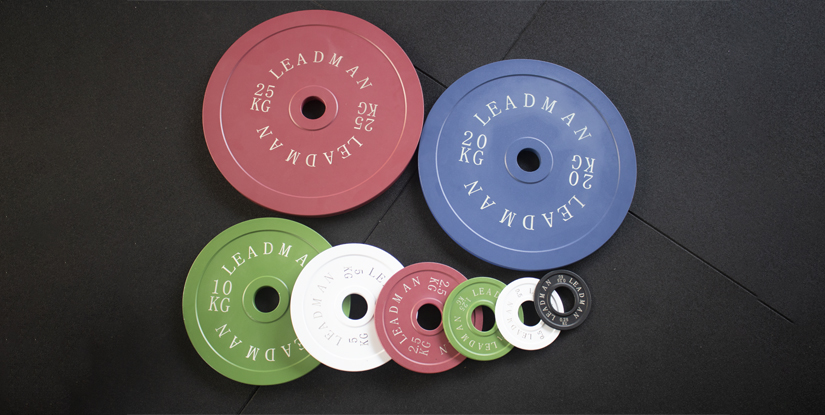
Selection Criteria for High-Performance Rubber 25 Lb Plates
For facility managers and commercial gym operators, the procurement of weight increments is not merely a matter of filling a rack; it is a strategic decision regarding floor protection and noise attenuation. Choosing the correct density for Rubber 25 Lb Plates determines whether your facility experiences rapid wear or long-term durability. A common error in procurement is selecting low-density urethane-coated plates that offer high aesthetic appeal but lack the impact resistance required for heavy barbell work. Professional operators must prioritize the structural integrity of the internal weight core and the quality of the external rubberized skin.
When evaluating these components, one must consider the balance between weight precision and impact durability. Below is a comparative framework to assist in the initial selection process during the procurement phase.
| Feature | Standard Recycled Rubber | High-Density Urethane-Coated |
|---|---|---|
| Impact Absorption | High (Superior for floor protection) | Moderate (Focus on durability) |
| Odor Profile | Commonly higher (Recycled material) | Minimal (Clean production) |
| Precision Tolerance | Moderate (Variable due to mold casting) | High (Consistent dimensional accuracy) |
| Ideal Use Case | High-traffic functional training zones | Strength and conditioning specialized areas |
Selecting the right material type sets the foundation for the operational lifespan of the equipment. Once the selection is finalized, the focus must shift toward how these plates interact with your existing flooring and barbell systems.
Integrating Rubber 25 Lb Plates with Commercial Flooring
The relationship between your weight increments and your flooring system is a critical technical dependency. A common failure mode in modern gyms is the deployment of high-impact rubber plates on top of thin, non-resilient vinyl or low-grade foam mats. This mismatch leads to sub-floor compaction and eventual structural damage to the building's floor. To prevent this, operators must ensure that the impact profile of the plates is matched with a compatible gym flooring thickness and Shore hardness.
Optimizing Shock Absorption and Sound Attenuation
The primary mechanism for noise reduction in a lifting environment is the dissipation of kinetic energy through the rubber mass. When using Rubber 25 Lb Plates, the goal is to achieve a controlled descent that minimizes both acoustic output and vibration. A failure to account for the transfer of energy can lead to structural resonance in multi-story facilities.
- Verification Step: Test the vibration transfer by dropping a plate from a low height (2-4 inches) and monitoring the vibration on adjacent equipment.
- Material Match: Ensure the plate density does not exceed the load-bearing capacity of your flooring material.
As you optimize the interface between weight and floor, the next critical consideration is the technical inspection of the plates themselves to prevent equipment degradation.
Structural Integrity and Inspection Protocols
Regularly inspecting your weight inventory is essential for maintaining safety standards and preventing sudden equipment failure. The durability of Rubber 25 Lb Plates is largely dependent on the bonding strength between the rubber outer layer and the internal core. A common issue observed in lower-tier products is 'delamination,' where the rubber skin begins to peel away from the center due to repeated impact or thermal expansion.
Identifying Common Failure Modes
Operators should implement a quarterly inspection checklist to identify early signs of degradation. Identifying these issues early prevents the total loss of the asset and ensures user safety.
| Failure Symptymptom | Probable Cause | Corrective Action / Verification |
|---|---|---|
| Surface Cracking | Extreme temperature fluctuations or UV exposure | Check storage environment; replace if cracks affect grip |
| Edge Chipping | Impact against hard edges or low-quality casting | Inspect edges during cleaning; monitor for structural instability |
| Weight Variance | Material density inconsistencies | Weigh sample plates against a calibrated scale |
| Odor Leakage | Degrading binding agents or low-grade recycled rubber | Monitor for chemical scent changes in enclosed rooms |
By maintaining a rigorous inspection cadence, facility managers can extend the lifecycle of their inventory and maintain a professional aesthetic. This longevity is supported by following specific maintenance and cleaning protocols.
Related reading:
Maintenance and Cleaning Standards for Longevity
Effective maintenance of Rubber 25 Lb Plates goes beyond mere aesthetic cleaning; it involves protecting the chemical integrity of the rubber. Many operators inadvertently damage their equipment by using harsh chemical solvents that can cause the rubber to dry out or become brittle. This degradation leads to the aforementioned cracking and delamination issues.
Cleaning Procedures and Chemical Compatibility
To ensure the longest possible service life, follow these industry-standard maintenance steps:
- Standard Cleaning: Use a mild, pH-neutral soap solution and a damp cloth to remove dust and perspiration.
- Avoidance List: Never use petroleum-based solvents or high-strength bleach, as these strip the essential oils from the rubber.
- Storage Optimization: Store plates in a climate-controlled environment to prevent the thermal expansion and contraction cycles that stress the internal bond.
A well-maintained inventory not only looks better but also functions more predictably during high-intensity training. Proper storage and cleaning lead directly into the final stage of operational success: managing the lifecycle and replacement of these assets.
Related reading:
Asset Lifecycle Management and Replacement Cycles
The final stage in the lifecycle of Rubber 25 Lb Plates involves determining the optimal replacement interval. Even with perfect maintenance, rubber is a consumable material that undergoes physical changes over years of high-impact use. A proactive replacement strategy prevents the presence of worn, unsightly, or unsafe equipment in a commercial environment.
Determining the Replacement Trigger
Instead of waiting for a catastrophic failure, professional facility managers use specific performance-based triggers to schedule new procurement. This prevents the 'patchwork' look of a gym with varying qualities of weight plates.
- Aesthetic Trigger: When more than 15% of the 25 lb inventory shows visible surface wear or discoloration.
- Functional Trigger: When weight tolerances exceed the acceptable industry standard of +/- 1-2% of the target weight.
- Safety Trigger: Any visible separation between the rubber skin and the internal core.
By monitoring these metrics, a facility can maintain a high standard of professionalism and safety. This comprehensive approach—from selection to replacement—ensures that your investment in training equipment provides the highest possible return on investment.
Related reading:
Optimizing Load Ratios and Rack Stability
While the physical attributes of the plates are paramount, how they are loaded onto a barbell also impacts the overall stability of the lifting station. The thickness and diameter of Rubber 25 Lb Plates can influence the center of gravity and the ease of plate transitions during a workout.
Load Balancing and Barbell Interaction
A common mistake when loading 25 lb plates is failing to account for the varied thickness of different rubber batches. This can result in an uneven distribution of weight on the barbell, affecting the lifter's form and the barbell's balance. To ensure a stable loading environment, consider the following:
- Diameter Consistency: Ensure all 25 lb plates in a single set have a consistent outer diameter to maintain a predictable center of gravity.
- Sleeve Fit: Verify that the inner diameter of the plates allows for smooth rotation and does not bind on the barbell sleeve.
- Weight Distribution: When building heavy sets, alternate the loading of thinner and thicker plates if you are mixing different production batches to maintain a balanced bar.
A stable, well-balanced loading system is the hallmark of a high-end training facility and represents the culmination of proper procurement and maintenance. Ensuring these technical details are managed effectively will safeguard both the equipment and the users.
Related reading:
Environmental Storage and Thermal Stability
A frequently overlooked aspect of maintaining Rubber 25 Lb Plates is the impact of the storage environment on the long-term polymer structure. Rubber is a highly reactive material to extreme environmental shifts, which can lead to premature hardening or excessive softening.
Thermal Impact and Storage Best Practices
In many commercial settings, equipment is often left in unconditioned areas or near high-heat sources. This can lead to material fatigue. Below is a guide to ideal storage conditions to prevent premature aging.
| Environment Type | Effect on Rubber | Recommendation |
|---|---|---|
| High Heat (e.g., near HVAC vents) | Accelerates oxidation and drying | Maintain distance from heat sources |
| High Humidity | Can promote moisture trapped in core | Ensure well-ventilated storage areas |
| Direct Sunlight (UV) | Causes surface cracking and color fade | Avoid windows or outdoor storage |
By strictly controlling the environment where your weights are kept, you ensure that the chemical bonds within the rubber remains intact, preserving the elasticity required for impact absorption. This control over the environment is the final piece in a complete management strategy for high-performance weight equipment.