
Fitness Smith Machine Optimization: A Professional Procurement and Maintenance Guide
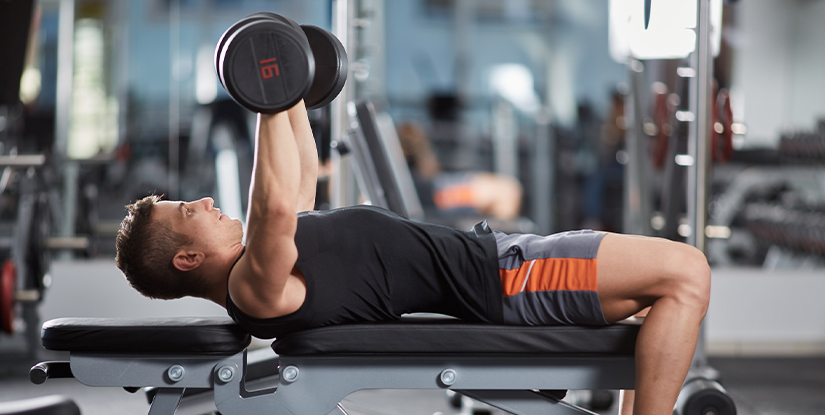
For commercial facility managers and high-end home gym operators, the selection and upkeep of a Fitness Smith Machine represent a significant decision in long-term operational reliability. Unlike free weight systems, a Smith machine relies on a precise mechanical interface between a barbell and a fixed guide rail system. If this interface suffers from even minor misalignment or lack of lubrication, the machine transitions from a safety-enhancing tool to a source of mechanical friction and potential user injury. This guide provides the technical depth required to select, install, and maintain these systems to professional standards.
Selecting a High-Performance Fitness Smith Machine
Deciding on a specific model requires moving beyond aesthetic appeal to focus on mechanical architecture. The fundamental problem many buyers face is purchasing a unit with insufficient load ratings or a guide rail system that lacks smooth lateral movement. To avoid this, operators must evaluate the structural integrity of the frame and the quality of the carriage components.
Critical Selection Criteria for Commercial Environments
When comparing different models, technical specifications regarding the guide rail system and the weight-bearing capacity are paramount. A professional-grade machine should prioritize linear stability over complexity.
| Feature Component | Commercial Standard Requirement | Failure Mode if Substandard |
|---|---|---|
| Guide Rail Material | Hardened, chrome-plated steel | Surface pitting and uneven friction |
| Bearing System | Precision ball bearings or high-grade bushings | Stuttering or "catch" during heavy lifts |
| Frame Gauge | Minimum 11-gauge steel construction | Structural deflection under heavy loads |
| Locking Mechanism | Dual-redundant safety catches | Accidental release during weight loading |
Understanding these core components ensures that your investment provides consistent resistance throughout the entire range of motion. Once the correct unit is acquired, the focus must shift immediately to the precision of the initial installation environment.
Precision Installation and Floor Load Verification
A common mistake in the deployment of a Fitness Smith Machine is neglecting the interaction between the machine and the flooring. Because these machines often concentrate significant weight on small footprints, uneven floor surfaces can lead to catastrophic misalignment of the vertical rails.
Subfloor Integrity and Leveling Protocols
If a machine is not perfectly level, the barbell will naturally drift toward one side of the rail, increasing lateral stress on the bearings. This constant side-loading accelerates wear and can cause the machine to become unusable in a relatively short timeframe.
- Leveling Check: Use a high-precision machinist's level on both the base and the uprights.
- Floor Hardness: Ensure the subfloor can support the static weight plus the dynamic load of a heavy lift.
- Vibration Dampening: Implement high-density rubber flooring to mitigate the impact of weight changes.
Verification involves monitoring the machine for several days after installation to ensure that no settling has occurred. Once the physical footprint is stabilized, the next critical step is the routine inspection of the moving parts.
Guide Rail Maintenance and Friction Management
The primary driver of mechanical failure in any Fitness Smith Machine is improper lubrication or the use of incorrect lubricants. A friction-heavy rail doesn't just feel poor to the user; it creates heat and debris that can permanently score the metal surfaces.
Lubrication Dos and Don'ts
Operators often mistakenly use heavy grease or aerosol lubricants that attract dust. This creates a "sludge" that effectively acts as an abrasive paste, grinding down the bearings over time.
| Lubricant Type | Recommended Use | Risk Assessment |
|---|---|---|
| Dry Silicone Spray | Light cleaning and minor smoothing | Low risk; evaporates quickly |
| Lithium-Based Grease | Avoid on open guide rails | High risk; attracts dust and metal shavings |
| PTFE (Teflon) Spray | Standard professional maintenance | Excellent; provides a dry, slick film |
To verify effective maintenance, the operator should perform a "hand-test": move the barbell through its full range of motion manually. If any hesitation or tactile 'clicking' is felt, the rail requires deep cleaning and fresh application of a professional-grade lubricant.
Related reading:
Inspecting Bearing Integrity and Carriage Stability
Building upon the lubrication protocols, the structural integrity of the carriage (the part that holds the barbell) must be checked regularly. A failure in the bearing assembly can lead to a sudden seizure of the bar, which is a significant safety hazard for the lifter.
Common Bearing Failure Modes
Detecting issues early prevents costly full-component replacements. Use the following checklist during monthly facility inspections:
- Lateral Play: Gently shake the bar side-to-side. Significant movement suggests worn bushings or loose mounting bolts.
- Vertical Stutter: If the bar 'jumps' during a slow eccentric phase, a bearing may be damaged or an object is stuck in the rail.
- Noise Profile: High-pitched squeaking or grinding indicates metal-on-metal contact due to insufficient lubrication or bearing fatigue.
Regularly checking these mechanical nuances ensures that the machine remains an asset rather than a liability. While structural integrity is vital, the secondary components—like the safety catches—require their own specific oversight.
Related reading:
Safety Catch Calibration and Reliability
The safety catch system is the final line of defense. In a Fitness Smith Machine, the ability of the bar to lock securely into the catches is non-negotiable. A failure here usually stems from either worn-out catch teeth or improper adjustment of the catch height.
Verifying Catch Engagement
Operators should not assume the catches work simply because they are in place. Mechanical engagement must be verified through physical testing under controlled conditions.
- The Drop Test: Without excessive weight, lower the bar onto the catches to ensure it seats firmly and doesn't bounce back.
- Height Optimization: Ensure the catches are positioned at a height that accommodates the user's lowest point of movement (e.g., the bottom of a squat).
- Visual Inspection: Check for metal shavings or discoloration on the catches, which indicates high-impact collisions and wear.
With a reliable safety system in place, the focus can return to the day-to-day operational efficiency of the machine. This leads to the necessity of a formalized maintenance schedule.
Related reading:
Establishing a Professional Maintenance Schedule
Consistency is the most effective way to extend the lifecycle of commercial gym equipment. A reactive approach—fixing things only when they break—is significantly more expensive than a proactive maintenance routine.
Maintenance Cadence Recommendations
Depending on the usage frequency of the facility, a maintenance schedule should be tiered to match the intensity of the environment.
| Frequency | Focus Area | Required Action |
|---|---|---|
| Daily (Staff) | Surface/Visual | Wipe down rails; check for loose weights |
| Weekly (Technician) | Lubrication/Movement | Apply PTFE spray; check for friction points |
| Monthly (Manager) | Structural/Safety | Torque bolt checks; verify catch engagement |
| Quarterly (Expert) | Total Component Audit | Bearing inspection; full frame leveling check |
Adhering to these timelines ensures that the machine operates at peak performance. By the end of this cycle, the facility manager should have a comprehensive understanding of the machine's operational health.
Related reading:
Troubleshooting Common Mechanical Irregularities
Even with the best maintenance, minor issues can arise. Understanding the relationship between cause and effect allows for rapid resolution before a problem becomes a total failure.
Problem-Cause-Solution Matrix
When an operator notices a change in the machine's behavior, use this logic to identify the root cause.
- Problem: Barbell feels 'heavy' or resistant on one side.
Cause: Misalignment of the base or uneven floor.
Fix: Re-level the machine and check for floor settling. - Problem: High-pitched squealing during movement.
Cause: Dry bearings or debris in the guide rail.
Fix: Clean the rails with a cloth and apply a dry lubricant. - Problem: The barbell vibrates excessively.
Cause: Loose mounting bolts or worn-out carriage bushings.
Fix: Tighten all structural bolts and inspect the bearing assembly.
Mastering these troubleshooting steps keeps the machine in service and minimizes downtime. A well-managed machine is a predictable machine, ensuring both safety and longevity for the facility.
Related reading:
Future-Proofing Your Equipment Investment
As technology advances, the mechanical designs of specialized gym equipment continue to evolve. While the basic principles of a Fitness Smith Machine remain constant, the materials and bearing technologies are becoming more sophisticated.
For the professional buyer, staying informed about these advancements—such as improved magnetic damping or enhanced composite bearings—can influence future procurement cycles. Ultimately, the longevity of your equipment depends on the intersection of high-quality initial selection and a disciplined, technical approach to maintenance and operation.