
OEM vs. Branded Gym Equipment Manufacturers—What Buyers Should Know
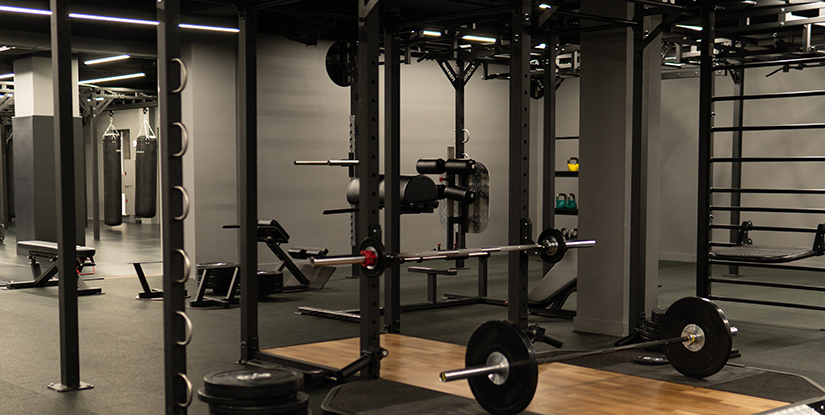
Procurement specialists and gym owners often face a critical strategic crossroads: do they invest in established branded equipment or leverage Original Equipment Manufacturer (OEM) partnerships to scale? This decision is not merely about the immediate purchase price but involves complex variables regarding long-term operational stability, brand perception, and lifecycle management. Before committing capital, buyers should evaluate their readiness using this checklist: 1) Define the core value proposition of your facility (Premium vs. High-Volume), 2) Assess your capacity for managing independent technical support, and 3) Determine the required level of customization for your unique space or product line. Understanding these fundamental drivers allows for a more nuanced analysis of the OEM vs. Branded gym equipment manufacturers debate.
Defining the Operational Architecture of Branded vs. OEM Models
To make an informed decision, one must first understand the structural differences in how these entities operate within the global fitness supply chain. A branded manufacturer typically controls the entire lifecycle, from research and development (R&D) to the final marketing interface. In contrast, an OEM manufacturer functions as the engine behind the curtain, producing high-quality components or finished goods that are subsequently white-labeled by other companies. Recognizing these architectural differences is the first step in predicting how each model will impact your facility's uptime and maintenance cycles.
The Intellectual Property and R&D Divergence
Branded manufacturers heavily invest in proprietary engineering, often holding patents on specific movement patterns or ergonomic designs. This creates a unique competitive advantage but also leads to higher price points. OEM manufacturers, however, focus on manufacturing excellence and scale. While they may lack the 'prestige' of a patented movement mechanism, their strength lies in highly optimized production processes and consistent material throughput. An operator must decide whether the premium paid for proprietary tech outweighs the cost-efficiency of standardized, high-quality OEM-produced designs.
Market Position and Product Lifecycle
Branded entities often lead the market in trendsetting, frequently releasing new, innovative equipment to stay ahead of competitors. OEM manufacturers tend to follow these trends, perfecting the production of established, high-demand equipment types. When choosing between these two paths, consider your business model: if you are a luxury boutique, a brand's prestige is an asset; if you are a high-volume budget gym, the scalability and cost-efficiency of an OEM-sourced product might be more advantageous.
Comparative Analysis of Procurement Costs and Value Drivers
The immediate purchase price is a deceptive metric in gym equipment procurement. While OEM products often present a lower initial invoice, the total cost of ownership (TCO) must be the primary driver in your decision-making process. A professional buyer looks beyond the sticker price to analyze the long-term implications of maintenance, part availability, and depreciation. The following comparison table outlines the critical variables that differentiate these two sourcing routes.
| Criteria | Branded Manufacturer Model | OEM Manufacturer Model |
|---|---|---|
| Initial Capital Outlay | Higher (Premium for R&D/Brand) | Lower (Volume/Efficiency focused) |
| Customization Potential | Limited to official product lines | High (Potential for bespoke designs) |
| Technical Support | Direct, centralized, and standardized | Dependent on the middleman/importer |
| Perceived Value | High (Marketing-driven prestige) | Functional (Performance-driven) |
| Component Sourcing | Proprietary/Specific parts | Standardized/Interchangeable parts |
The data above highlights a fundamental trade-off: branded equipment offers a 'turnkey' experience with built-in prestige, whereas OEM sourcing provides the flexibility for customization and lower entry costs. As you evaluate these costs, the next logical step is to examine the technical specifications that ensure long-term durability.
Explore the complete technical specifications:
Technical Tolerances and Material Integrity Standards
Whether you source through a brand or an OEM, the physical integrity of the machine is non-negotiable. A common failure mode in lower-tier procurement is the oversight of material tolerances—the microscopic differences in how parts fit together. These variances can lead to premature wear, noise, and even safety hazards. To avoid these pitfalls, buyers must demand specific technical documentation from their suppliers.
Steel Grade and Coating Specifications
The structural durability of strength equipment relies heavily on the gauge of the steel and the quality of the finish. High-quality manufacturers, regardless of their branded status, should provide specifications for the steel thickness (often measured in millimeters or gauge) and the type of powder coating used. A common mistake is assuming that 'heavy-duty' is a universal term; without a specific steel density or thickness measurement, you cannot verify the load-bearing capacity of the frame.
Bearing and Bushing Precision
In resistance-based equipment, the smoothness of the movement is determined by the precision of bearings and bushings. Branded manufacturers often use high-grade, proprietary bearings to ensure a distinct 'feel.' OEM manufacturers may use standardized, high-quality bearings that are more easily replaced. Buyers should verify whether the parts are standard industrial components or specialized items, as this will directly affect your future ability to source replacement parts without waiting for long-lead-time shipments.
Once the technical specifications are verified, the focus must shift from the machine itself to the lifecycle of the equipment: its maintenance and eventual failure modes.
Explore the complete technical specifications:
Maintenance Cadence and Lifecycle Management
A major pain point for facility operators is the unexpected downtime caused by broken equipment. The complexity of the maintenance required is often a direct byproduct of the sourcing model chosen. Branded equipment may require specialized technicians and proprietary parts, whereas OEM-sourced equipment, if built to high standards, often utilizes parts that are widely available in the industrial market.
Predictive vs. Reactive Maintenance Strategies
Facility operators should implement a tiered maintenance strategy based on the equipment type. High-use cardio machines, which have more electronic and mechanical complexity, require more frequent predictive maintenance than basic strength racks. A common mistake is waiting for a failure (reactive maintenance) rather than following a scheduled lubrication and inspection protocol. Understanding your manufacturer's service model—whether they provide a service contract or simply a list of parts—is essential for long-term uptime.
The Impact of Proprietary vs. Standardized Components
The biggest risk in the branded model is the 'closed-loop' ecosystem. If a proprietary circuit board in a treadmill fails, you are entirely dependent on that specific brand for a replacement. In the OEM model, the component is often a standard industrial part that can be sourced from multiple vendors. While the branded model offers a cohesive experience, the OEM model offers greater long-term autonomy for the operator. This decision becomes even more critical when considering the total cost of ownership over a five-to-ten-year period.
Explore the complete technical specifications:
Risk Assessment: Failure Modes and Reliability Benchmarks
Before finalizing a contract, an operator must perform a rigorous risk assessment of potential failure modes. A failure is rarely a single event; it is usually the result of a systemic issue in design or material selection. By understanding these common failure modes, you can better vet both branded and OEM manufacturers.
Structural Fatigue and Weld Integrity
For strength equipment, structural fatigue is the most dangerous failure mode. This often occurs due to poor weld penetration or sub-standard steel. When auditing a supplier, ask for their welding standards (e.off. MIG or TIG) and if they perform stress testing on their frames. Branded manufacturers often have rigorous, standardized testing protocols, while OEMs may vary significantly depending on the client's requirements. Always request high-resolution photos or video of weld seams on sample units.
Electronic Volatility in Smart Equipment
As fitness technology evolves, the failure of consoles and sensors becomes a frequent issue. Branded manufacturers typically have dedicated software support, but their electronic components are often highly specialized. OEM electronics are often more robust but may lack the advanced UI/UX of a high-end brand. Verify the IP (Ingress Protection) rating of any electronic components to ensure they can withstand the humidity and dust common in commercial gym environments.
Strategic Selection: When to Choose A over B
Choosing between OEM and Branded manufacturers is not a matter of finding a 'better' option, but finding the option that best aligns with your business objectives. To simplify the decision-making process, use the following decision-making framework based on your specific business-type.
| If your business is... | Primary Goal | Recommended Sourcing Path |
|---|---|---|
| Luxury Boutique/Wellness Studio | Brand Prestige & Aesthetic | Branded Manufacturer |
| Commercial High-Traffic Gym | Reliability & Low Downtime | High-End Branded Manufacturer |
| Start-up/Budget Gym Chain | Low Initial CapEx & Scalability | High-Quality OEM Sourcing |
| Custom/Bespoke Training Center | Unique Functionality & Custom Design | Direct OEM Partnership |
For instance, if your value proposition is built on an 'exclusive' experience, the branding and aesthetic consistency of a top-tier manufacturer are indispensable. Conversely, if you are building a large-scale franchise where cost-per-square-foot is the dominant metric, the flexibility of OEM sourcing will provide a significant competitive advantage. The final stage of this decision involves establishing the long-term procurement and support relationship.
Long-Term Partnership and Vendor Management
The final piece of the procurement puzzle is moving from a transactional mindset to a partnership mindset. Regardless of whether you choose a branded or an OEM model, your relationship with the vendor will dictate your facility's operational success. A successful procurement strategy requires ongoing vendor management and a proactive approach to technical auditing.
Establishing Service Level Agreements (SLAs)
For branded manufacturers, the SLA is often predefined and covers specific high-level services. For OEM manufacturers, you must negotiate your own SLA. A strong SLA should clearly define response times for parts delivery, the availability of technical documentation, and the frequency of required maintenance intervals. Without a clear SLA, you risk being left with non-functional equipment during peak hours, which directly impacts customer retention.
The Importance of Continuous Technical Auditing
Even after a successful installation, the work of a procurement specialist is not finished. Regular, scheduled audits of your equipment's physical condition and electronic performance are necessary. This includes checking bolt torque levels, lubrication levels, and cable tension. By treating procurement as a continuous cycle of monitoring and refining, you ensure that your choice—whether OEM or Branded—delivers the promised ROI throughout its entire operational life.