
Understanding Normal Barbell Size for Commercial Standard Compliance
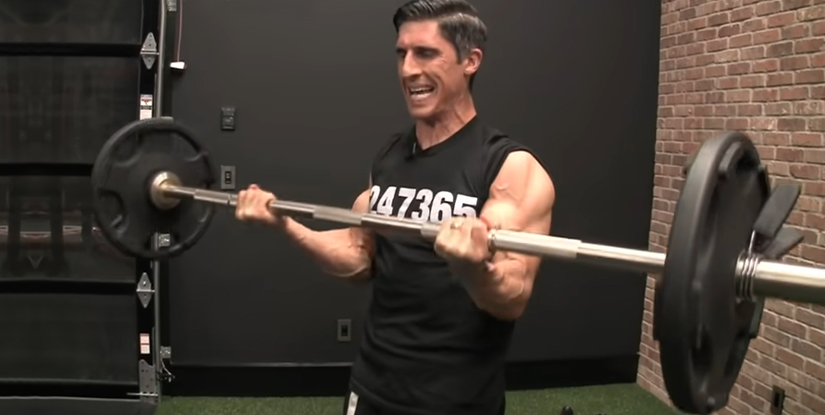
The Myth of Uniformity in Barbell Specifications
A common misconception among facility managers and amateur procurement officers is that any steel bar used for weightlifting qualifies as a standard piece of equipment. This assumption often leads to the procurement of non-compliant gear that fails to meet the rigorous demands of a high-traffic commercial gym. In reality, there is no single 'universal' bar, but rather a strictly defined Normal Barbell Size and specification hierarchy that determines how a bar performs under heavy load and how it interacts with weight plates. When a facility stocks bars that deviate from these standards, they face operational failures ranging from plate mismatch to increased injury risks for users. Understanding these dimensional nuances is the first step toward establishing a professional-grade lifting environment.
By establishing a baseline for what constitutes a standard dimension, operators can avoid the trap of purchasing low-quality alternatives that lack the precision required for competitive or commercial training. This foundational knowledge leads directly into the specific dimensional variables that define different barbell classes.
Standard Dimensions for the Olympic Barbell Class
To maintain professional standards, one must recognize that the most common 'normal' barbell refers specifically to the Olympic standard. Deviating from these dimensions is not merely a matter of preference; it is a matter of compatibility with weight plate sleeves and loading systems. A failure to adhere to these specs often results in plates that do not sit flush or sleeves that do not rotate correctly, causing uneven weight distribution during a lift.
The Three Critical Dimensions of a Standard Bar
When evaluating a new shipment of equipment, an operator must verify three specific measurements: the shaft diameter, the total length, and the sleeve diameter. These are the non-negotiable constants in a professional lifting environment.
| Dimension Type | Olympic Standard Range | Primary Function |
|---|---|---|
| Shaft Diameter (Men's) | 28mm to 29mm | Provides grip stability and bar whip |
| Shaft Diameter (Women's) | 25mm | Optimized for smaller hand circumference |
| Total Bar Length | 2210mm to 2240mm | Ensures compatibility with standard racks |
| Sleeve Diameter | 50mm | Standardizes weight plate fitment |
The Sleeve Diameter is particularly critical because if the sleeve is even slightly off-spec, standard 50mm weight plates will either rattle excessively or fail to seat, creating a dangerous imbalance. Once these physical dimensions are confirmed, the focus must shift to the internal mechanical properties that allow the bar to function under stress.
The Relationship Between Shaft Diameter and Bar Whip
While many buyers focus solely on the external diameter, the internal composition and the resulting 'whip' (elasticity) are what differentiate a commercial-grade barbell from a consumer-grade one. The shaft diameter is not just about grip; it is a primary driver of how much a bar will bend and rebound under heavy loads. A bar that is too thin may lack the structural integrity for heavy compound movements, while a bar that is too stiff may feel unyielding to experienced lifters.
Impact of Diameter on Material Elasticity
A professional-grade barbell is engineered to have a specific degree of oscillation. This oscillation is essential for movements like the clean and jerk, where the athlete utilizes the bar's momentum. If an operator purchases bars with inconsistent shaft diameters, the training experience becomes unpredictable, as the 'feel' of the weight changes with every lift. Common failure modes include permanent deformation (bending) when using bars that lack the appropriate tensile strength relative to their diameter.
- Too Thin: Increased risk of permanent bending under high-load cycles.
- Too Thick: Reduced grip control and minimal elastic rebound, hindering advanced lifting techniques.
- Incorrect Consistency: Variation between bars in the same gym leads to user frustration and lack of technical precision.
Understanding how diameter influences movement mechanics is essential, but the physical dimensions are useless if the bar cannot rotate effectively. This brings us to the critical component of the sleeve assembly.
Related reading:
Evaluating Sleeve Dimensions and Rotation Mechanics
The sleeve is the part of the barbell that holds the weight, and its dimensions are a vital component of the total Normal Barbell Size equation. A common mistake in lower-tier procurement is selecting bars where the sleeve diameter is imprecise, leading to a 'loose' or 'tight' fit with standard plates. This mismatch is often the cause of uneven loading, which can lead to catastrophic equipment failure or athlete injury.
Precision in Sleeve and Bearing Integration
Beyond the diameter, the thickness of the sleeve and the type of internal mechanism—either bushings or bearings—dictate the longevity of the equipment. A professional facility must decide between these based on the intended use and maintenance capacity of the staff.
| Component Type | Mechanism Type | Ideal Use Case | Maintenance Level |
|---|---|---|---|
| Bushings | Bronze or Nylon Sleeves | Powerlifting / Heavy Static Lifts | Low (Periodic Oil) |
| Bearings | High-Precision Ball Bearings | Olympic Weightlifting / High Speed | Medium (Specialized Cleaning) |
| Sleeve Thickness | Heavy-Wall Steel | High-Volume Commercial Gyms | Standard Inspection |
If the sleeves are not manufactured to a tolerance that allows for smooth rotation, the inertia of the rotating weight will exert massive torque on the athlete's wrists. This mechanical stress is a leading cause of repetitive strain injuries in commercial environments. With the mechanics of the sleeve understood, the operator must now look at the external dimensions of the bar's ends to ensure compatibility with the storage systems.
Related reading:
Length Standardization and Rack Compatibility
Even if a barbell has the perfect shaft diameter and rotating sleeves, it is functionally useless if it does not fit the facility's existing infrastructure. The total length of the barbell, particularly the distance between the collars, must be standardized to work with power racks, squat stands, and specialized benches. A mismatch here results in an inability to secure the bar in the J-cups, often causing the bar to sit unevenly or slide out of position.
Verification Checklist for Bar Length and Rack Fit
Before finalizing a large-scale equipment order, facility managers should utilize a verification checklist to ensure the barbell length aligns with their rack system. A bar that is too long for the rack's width may not be able to be safely 'racked' or 'unracked,' while a bar that is too short will sit too deep in the J-cups, compromising stability.
- Verify Total Length: Ensure the bar length (typically 2.2 meters) matches the spacing of the rack uprights.
- Measure Collar Spacing: Confirm the distance between the center of the sleeves matches the width of the squat stand.
- Test Fitment: Always perform a test-load with empty sleeves in the rack to check for center-of-gravity alignment.
This verification process ensures that the physical footprint of the barbell integrates seamlessly with the surrounding gym layout. However, once the dimensions are verified, the focus must turn to the long-term structural integrity of the metal itself.
Related reading:
Tensile Strength and Material Integrity Standards
A barbell's size and shape are only as reliable as the steel used to construct it. In a commercial setting, the 'size' of the bar also refers to its load rating—the amount of weight it can sustain without permanent deformation. A common failure in procurement is focusing on the visual diameter while ignoring the tensile strength, leading to bars that 'take a set' (permanently bend) after a few months of heavy use.
The Difference Between Commercial and Residential Steel
Commercial-grade bars are treated with specific heat-treatment processes to ensure the steel remains in its elastic zone even under massive loads. If a bar is made of inferior steel, the diameter may remain the same, but the internal structure will fail, resulting in a warped shaft. This is a frequent complaint in budget-oriented facilities where 'standard' sizing was achieved at the expense of material quality.
| Property | Commercial Grade Expectation | Consumer/Home Grade Expectation |
|---|---|---|
| Tensile Strength | High (190,000+ PSI) | Low to Moderate |
| Elasticity | Consistent and Predictable | Unpredictable/Limited |
| Deformation Risk | Minimal under rated load | High after heavy usage |
This distinction is vital for calculating the long-term ROI of an equipment purchase. A bar that meets the dimensional standard but fails the strength standard is a wasted investment. This brings us to the final, and perhaps most critical, aspect of operational success: the maintenance of these precision dimensions.
Related reading:
Maintenance Protocols for Preserving Bar Precision
Even the highest quality barbell will eventually deviate from its intended dimensions if not properly maintained. Oxidation, moisture, and improper cleaning can lead to surface pitting, which effectively alters the diameter of the shaft and increases friction in the sleeves. For a facility operator, a robust maintenance schedule is the only way to ensure that a 'normal' barbell stays within its performance specifications over its lifecycle.
Routine Inspection and Care Schedule
Maintaining the precision of the barbell involves both physical cleaning and regular mechanical inspection. Neglecting these steps can lead to the deterioration of the rotating mechanism, which is one of the most expensive components to replace.
- Daily: Wipe down the shaft with a dry microfiber cloth to remove sweat and skin oils.
- Weekly: Inspect the knurling for debris or buildup that could affect grip diameter.
- Monthly: Check the rotation speed of the sleeves; if rotation feels sluggish, inspect for dust or oxidation.
- Quarterly: Perform a full visual inspection of the shaft for any sign of permanent bending or 'bowing.'
By adhering to these protocols, operators can ensure that the bars remain a reliable asset rather than a liability. With a complete understanding of dimensions, materials, and maintenance, the facility is now prepared to make informed procurement decisions.