
Matching Weight Lifting Machines to Different Training Styles
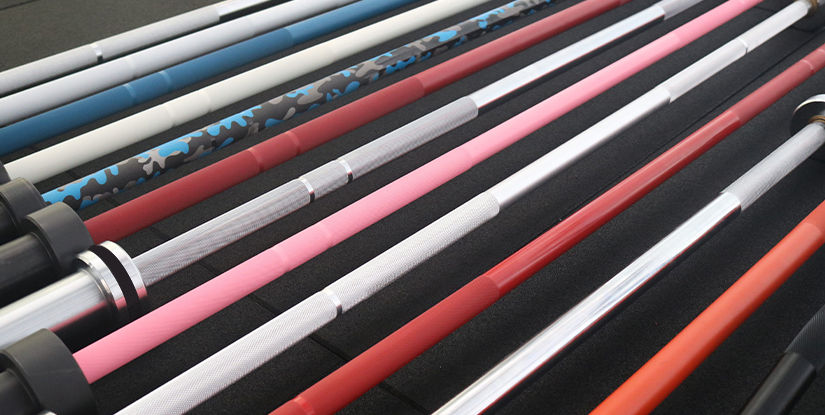
Facility operators and high-end gym procurement specialists often encounter a recurring structural misalignment: the gap between the intended training objective and the mechanical resistance offered by the equipment. When a facility prioritizes bodybuilding but stocks high-inertia strength machines, or vice versa, the result is a decline in user engagement and a failure to meet the specific biomechanical demands of the clientele. Identifying the correct equipment is not merely about aesthetic consistency; it is a technical requirement based on resistance curves, degrees of freedom, and load delivery systems.
Analyzing Resistance Curves for Hypertrophy-Focused Training
A common failure in equipment procurement occurs when a buyer assumes all resistance machines are equal. However, for hypertrophy-driven training, the resistance curve of the machine must align with the natural strength curve of the human muscle. If a machine provides peak tension only at a point where the muscle is mechanically disadvantaged, the user will experience a 'dead spot,' leading to inefficient muscle fiber recruitment.
To ensure optimal hypertrophy results, one must examine the relationship between the load and the movement angle. Cam-based systems (variable resistance) are specifically engineered to adjust the weight's effective load throughout the range of motion. For example, a chest press machine utilizing an elliptical cam will decrease resistance at the lockout to prevent joint compression while increasing it during the eccentric phase. Without this technical synchronization, the machine may induce unnecessary orthopedic stress instead of muscle growth.
Technical Comparison: Cam-Based vs. Constant Resistance
| Feature | Constant Resistance (Standard Pulleys) | Variable Resistance (Cam/Elliptical) |
|---|---|---|
| Resistance Profile | Linear throughout movement | Adjusted to muscle strength curve |
| Primary Benefit | Cost-effective, simple maintenance | Optimized muscle recruitment |
| Ideal Training Style | General fitness, circuit training | Bodybuilding, specialized hypertrophy |
| Potential Risk | Joint strain at mechanical disadvantages | Higher initial capital expenditure |
Understanding these resistance profiles allows operators to build a specialized hypertrophy zone that maximizes the ROI of the equipment. Once the resistance profile is established, the next critical decision involves the machine's degrees of freedom.
Degrees of Freedom and Biomechanical Versatility
A frequent mistake in facility layout is over-investing in fixed-path machines when the goal is functional strength or athletic conditioning. While fixed-path machines offer high stability and are excellent for isolation, they restrict the natural movement patterns of the human body, which can lead to a sense of 'mechanical restriction' among advanced users. This is particularly visible in users who require slight rotational adjustments to follow their natural anatomical plane.
For training styles that prioritize functional movement, such as athletic performance or mobility, operators should look for machines with multi-planar adjustment capabilities. A machine that allows for both lateral and rotational adjustments provides a more comprehensive stimulus. Conversely, in a commercial bodybuilding environment, high-stability fixed-path machines are superior because they allow the user to push to absolute failure without the need for stabilization strength.
Verification Checklist for Degrees of Freedom:
- Does the machine allow for subtle adjustments in pivot points to accommodate different limb lengths?
- Is the path of motion strictly linear, or does it allow for a natural arc?
- Is the machine intended for isolation (one plane) or integration (multi-plane)?
Establishing the appropriate degree of freedom ensures that the machine supports the user's intent rather than fighting against it. This leads directly into the distinction between strength-focused and endurance-focused loading mechanisms.
Loading Mechanisms: Strength vs. Endurance Paradigms
The mechanism by which weight is applied—whether through weight stacks, plate-loaded systems, or pneumatic resistance—drastically alters the machine's suitability for specific training styles. A facility focused on powerlifting or heavy strength training will find weight stacks limiting due to the relatively low maximum capacity and the 'jarring' effect of the weight moving through a cable. In contrast, a high-repetition endurance or circuit training facility requires high-durability, smooth-transitioning weight stacks.
Plate-loaded machines are the gold gold standard for pure strength training. They provide a raw, direct sensation of weight that is essential for heavy compound movements. However, they require more floor space and more significant user attention to loading and unloading. Pneumatic or air-resistance machines offer a third path, providing highly consistent, smooth resistance that is excellent for high-frequency training and cardiovascular conditioning, as they eliminate the inertia issues found in traditional iron stacks.
Evaluating Load Delivery Systems
| System Type | Best For | Technical Characteristic | Common Failure Mode |
|---|---|---|---|
| Weight Stack | General Population, Circuit | High versatility, easy load change | Cable wear and pulley friction |
| Plate-Loaded | Strength, Bodybuilding | High mass capacity, direct load | Inertia-related impact on bearings |
| Pneumatic (Air) | Functional, Endurance | Smooth, high-speed resistance | Complexity in pressure regulation |
Selecting the right loading system is a prerequisite for successful equipment lifecycle management. Once the load type is decided, the operator must address the mechanical stability required for high-intensity training.
Mechanical Stability and Footprint Optimization
A common technical oversight in gym design is failing to account for the 'dynamic footprint' of a machine. A heavy-duty strength machine may have a static footprint of 2m x 2m, but during high-intensity eccentric loading, the dynamic force can cause micro-shifts if the machine's frame and floor-mounting are not properly specified. This instability is a major cause of user discomfort and long-term structural fatigue in the equipment.
For strength-focused training, operators must prioritize heavy-gauge steel and high-tension bolt assemblies. For training styles that involve high-speed movements (like functional training), the machine must be able to absorb vibration and shock. If a machine is too light, it will 'dance' on the floor, which not only disrupts the user's tempo but can also lead to the loosening of fasteners over time. To verify stability, operators should check for frame deflection under load and ensure that all leveling feet are fully engaged on a level surface.
Operator Verification: The Stability Test
- Apply maximum load and perform a controlled, rapid movement: Is there any perceptible oscillation in the frame?
- Check all fastener torque points: Are any bolts showing signs of vibration-induced loosening?
- Inspect the floor interface: Is the machine perfectly level across all four corners of the base?
With the physical stability of the unit confirmed, the focus shifts toward the longevity of the internal moving parts through maintenance.
Maintenance Protocols for High-Usage Training Environments
Matching weight lifting machines to different training styles also implies matching the maintenance intensity to the usage frequency. A machine used for high-repetition endurance training will experience far more cable cycles than a plate-loaded strength machine. If the maintenance protocol does not reflect the training style, the equipment will fail prematurely due to fatigue-induced breakdown.
For cable-driven machines, the primary failure mode is cable fraying and pulley bearing seizure. Operators must implement a tiered maintenance schedule based on the expected 'repetition count' of the training style. A strength-focused gym might inspect cables once a quarter, but a high-traffic circuit training gym might require a monthly inspection. Lubrication is another critical factor; however, over-lubricating pulleys can attract dust and debris, creating an abrasive paste that accelerates wear on internal components.
Standard Maintenance Checklist by Machine Category
| Machine Category | Daily Task | Monthly Task | Quarterly Task |
|---|---|---|---|
| Selectorized (Cables) | Visual cable check | Lubricate guide rods | Replace cables/pulleys |
| Plate-Loaded | Check pins/bolts | Inspect pivot play | Grease bearings |
| Pneumatic/Air | Check air seals | Clean intake filters | Inspect regulators |
Rigorous maintenance ensures that the technical advantages—such as the specialized resistance curve—remain functional over the machine's lifespan. The final consideration in this technical alignment is the safety of the end-user.
Safety Interlocks and User-Centric Design Features
The final component of matching equipment to training styles is the implementation of safety mechanisms appropriate for the intensity of the style. A machine designed for heavy strength training must have robust weight-catching mechanisms or 'spotter' features, as the risk of a heavy load being dropped is statistically higher. In contrast, a machine for lighter functional training might prioritize ergonomic grips and rapid-adjustment handles to facilitate quick transitions between exercises.
A common mistake is purchasing high-end machines that lack intuitive safety adjustments. For example, if a user is performing an isolation movement at high fatigue, an inability to quickly adjust a seat height or a pad angle can lead to a change in biomechanical form, causing injury. Professional operators should verify that every machine has clear, accessible adjustment points that do not require excessive dexterity to operate under load.
Safety Verification Parameters:
- Are the adjustment pins locking completely into the designated holes without resistance?
- Do the safety stoppers prevent the weight stack from traveling too far beyond the intended range?
- Are the upholstery and padding intact to prevent skin shear during high-intensity movement?
By meticulously matching the mechanical specifications to the training requirements, facility managers can ensure a high-performing, safe, and durable training environment.