
Optimizing Kettlebell Muscle Building through Professional Selection and Training Protocols
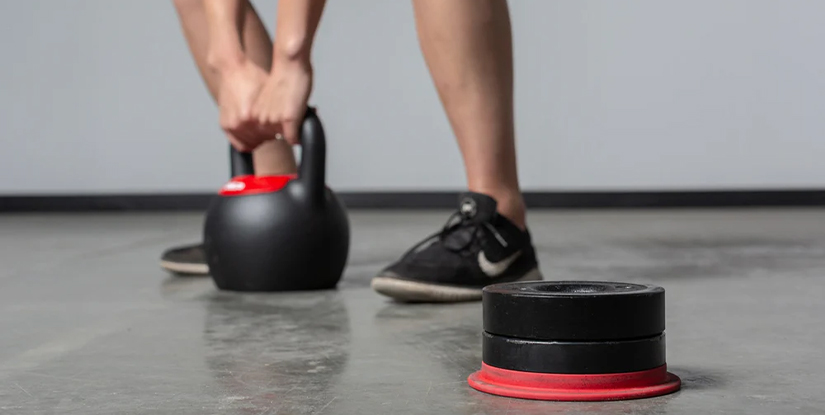
For facility managers and professional strength coaches, the pursuit of effective kettlebell muscle building often hits a premature ceiling—not due to lack of effort, but due to equipment inadequacies. A common failure mode in commercial settings is the mismatch between the intended training intensity and the durability of the kettlebell selection. When the wrong material or weight distribution is utilized, the result is often suboptimal hypertrophy or, more critically, premature wear on flooring and handling inconsistencies. This guide provides the technical framework necessary to select, implement, and maintain a kettlebell system designed for high-performance muscle growth.
Identifying Mismatches in Kettlebell Muscle Building and Equipment Durability
Effective muscle hypertrophy requires progressive overload, a principle that becomes difficult to manage if the equipment is inconsistent. A frequent problem in commercial gym environments is the use of low-grade cast iron or poorly balanced kettlebells that cause uneven weight distribution. This lack of precision leads to rapid fatigue in stabilizing muscles before the primary movers reach true failure, effectively stalling the muscle-building process.
The Mechanics of Weight Imbalance and Hypertrophy Stagnation
When a kettlebell is not manufactured to strict tolerances, the center of mass may shift during ballistic movements. This instability forces the central nervous system to prioritize stabilization over the actual mechanical tension required for muscle fiber recruitment. If a facility installs sub-standard iron bells, trainers will report that clients are hitting a plateau earlier than expected. To prevent this, operators must verify the concentricity of the weight through visual and tactile inspection of the bell and handle geometry.
Failure Modes in Commercial Kettlebell Implement Selection
A common mistake for procurement managers is prioritizing low unit costs over material density and handle ergonomics. A poorly cast bell often features surface imperfections that can cause skin abrasions or, worse, uneven grip friction. To ensure a productive training environment, follow this verification checklist before adding new inventory:
- Surface Uniformity: Ensure the cast surface is smooth and devoid of jagged protrusions.
- Handle Diameter Consistency: Verify that the handle diameter remains constant throughout its length to prevent grip fatigue.
- Weight Tolerance Verification: Check that weights within a single set deviate by minimal margins.
Once the correct implements are selected, the focus must shift from the tool itself to the foundational environment that supports its use, specifically the floor-load dynamics.
Optimizing Floor-Load Management for Heavy Kettlebell Training
Selecting the right kettlebells is only the first step; the second involves protecting the facility's primary asset: the flooring. High-intensity kettlebell movements, such as heavy swings or snatches, generate significant downward kinetic energy. If the floor lacks sufficient shock absorption, the repetitive impact can lead to substrate cracking or the degradation of the gym'-s subfloor system.
Calculating Impact and Shock Absorption Requirements
The relationship between kettlebell weight and floor impact is non-linear. As weight increases for advanced muscle-building protocols, the kinetic energy released during a failed lift or a deliberate drop increases exponentially. Facility operators must evaluate the Shore hardness and density of their flooring to ensure it meets the requirements for heavy-duty functional training zones.
| Floor Material Type | Shock Absorption Capability | Recommended Usage Scenario |
|---|---|---|
| High-Density Rubber Tiles (20mm+) | Excellent | Heavy ballistic training and kettlebell drops |
| Standard EVA Foam | Moderate | Light kettlebell movements and mobility work |
| Turf with Rubber Sub-layer | Good | Hybrid functional training and sled work |
| Wood/Vinyl Surface | Low | Not recommended for heavy kettlebell training |
Choosing the wrong surface can lead to expensive subfloor repairs, yet a surface that is too soft may compromise the stability needed for heavy lifting. To avoid these issues, verify that your flooring is rated for high-impact dynamic loads before finalizing your kettlebell layout.
Related reading:
Strategic Selection of Kettlebell Materials for Longevity
Building on the need for durable environments, we must now address the long-term material integrity of the bells themselves. The material used for the bell—whether it is cast iron, steel, or urethane-coated—directly impacts the longevity of the equipment and the user's experience during high-volume sessions.
Cast Iron vs. Urethane-Coated Kettlebells
The choice between these two ubiquitous types often depends on the specific training goals of the facility. Cast iron is the traditional choice for serious strength athletes due to its compact size and durability, while urethane-coated bells are often preferred in high-traffic commercial clubs for their aesthetic and noise-dampening properties. However, both have specific failure modes that operators must monitor.
Comparative Analysis of Kettlebell Material Specifications
When deciding which inventory to stock for a hypertrophy-focused training area, consider the following performance parameters:
- Cast Iron Characteristics: High durability, compact volume, prone to rust if poorly maintained, higher impact noise.
- Urethane/Rubber Coating: Improved grip consistency, quieter impact, protects the bell surface, potential for coating delamination over time.
The primary risk with coated bells is the separation of the coating from the inner core, which can create an unbalanced tool. Therefore, regular visual inspections of the coating integrity are mandatory for any professional facility.
With the material choice settled, the next critical phase involves the actual implementation of training protocols that maximize the physiological benefits of the equipment.
Related reading:
Kettlebell Leg Workout: Strengthen Your Legs with Kettlebells
Structuring Training Protocols for Hypertrophy and Strength
The physical properties of the kettlebell allow for a unique blend of strength and conditioning. To maximize the effectiveness of kettlebell muscle building, the implementation must move beyond simple repetitions and toward structured, load-dependent movements. The goal is to leverage the offset center of mass to increase time under tension.
The Role of Progressive Overload in Kettlebell Training
Because kettlebell weight jumps are often larger than dumbbell increments, managing the progression is a complex task. A 4kg jump in a kettlebell represents a significant increase in total system load and mechanical demand. If a trainer or client increases weight too rapidly without addressing the stability requirements, the risk of technical failure increases significantly.
Implementation Checklist for Hypertrophy Protocols
To ensure the training remains effective and safe, operators should enforce the following guidelines for all strength-based kettlebell sessions:
- Tempo Control: Emphasize controlled eccentric phases to increase mechanical tension.
- Volume Tracking: Monitor total volume per session to prevent overtraining.
- Load Increment Strategy: Use fractional jumps or higher rep ranges before moving to a heavier bell.
A well-structured protocol ensures that the client is always working at the edge of their capacity without compromising the technical execution required for long-term growth.
Related reading:
Preventing Common Injuries Through Grip and Form Verification
Even with perfect equipment and protocols, improper usage remains a significant risk factor. The inherent design of the kettlebell requires a specific type of grip strength and wrist stability that differs from traditional barbell lifting. Failure to verify these technical aspects can lead to chronic overuse injuries or acute strain.
Identifying Grip and Wrist Stability Failures
A common mistake is the "death grip," where a user squeezes the handle too tightly during ballistic movements. This causes premature forearm fatigue and prevents the smooth transition of the bell during the swing or snatch. Conversely, a grip that is too loose can cause the bell to strike the forearm, a common injury during the snatch movement. Operators should train clients to maintain a firm but dynamic grip that allows for wrist mobility.
Technical Verification for High-Risk Movements
When monitoring clients or staff, use the following parameters to verify movement quality in high-impact kettlebell exercises:
| Movement Type | Common Technical Error | Verification Metric |
|---|---|---|
| Kettlebell Swing | Rounded Lumbar Spine | Neutral Spine Alignment |
| Kettlebell Snatch | Wrist Collapsing/Folding | Stable Wrist Extension |
| Goblet Squat | Elbows Flaring Outward | Vertical Torso and Elbow Positioning |
Regularly checking these metrics prevents the development of compensatory patterns that can lead to long-term orthopedic issues. Once the movement quality is established, the focus shifts to the long-term care of the tools used.
Related reading:
Routine Maintenance and Inspection Schedules for Gym Managers
A professional facility is defined by the condition of its equipment. Neglected kettlebells can become a liability, both in terms of safety and the professional image of the gym. A standardized maintenance program ensures that the tools used for kettlebell muscle building remain in peak condition.
Managing Corrosion and Surface Integrity
Cast iron kettlebells are susceptible to oxidation, especially in humid environments or if they are frequently cleaned with wet cloths. Rust not only looks unprofessional but can also create abrasive surfaces that damage the user'ol hands. To mitigate this, a routine cleaning and coating schedule is required.
The Monthly Maintenance Routine for Kettlebell Inventories
Follow this schedule to ensure the longevity of your strength equipment:
- Weekly: Visual inspection for handle cracks or coating delamination; wipe down with a dry cloth.
- Monthly: Check for surface rust on iron bells; apply a thin layer of specialized equipment oil if necessary.
- Quarterly: Conduct a full weight-verification check on a random sample of bells to ensure no weight has been lost or shifted.
Consistent maintenance reduces the total cost of ownership and ensures that the equipment remains safe for intensive use. This proactive approach is the final pillar in a comprehensive kettlebell management strategy.
Related reading:
Integrating Kettlebells into a Comprehensive Strength Program
The ultimate goal of any facility is to provide a seamless experience where different modalities work together. Kettlebells should not exist in a vacuum but rather as a specialized component of a broader strength and conditioning ecosystem.
Synergy Between Kettlebells and Other Strength Tools
The most effective programs utilize kettlebells to fill the gaps left by traditional barbell or dumbbell training. For example, while a barbell is superior for absolute load, the kettlebell is superior for developing unilateral strength and rotational stability. Integrating these tools effectively requires a deep understanding of how they complement one another.
Developing a Hybrid Training Environment
When designing a training zone, ensure that the transition between heavy lifting and kettlebell work is fluid. This means providing ample space for the longer, more dynamic movements associated with kettlebells, and ensuring that the transition from the lifting platform to the kettlebell area involves compatible floor surfaces. By understanding these integration points, facility managers can create a high-performance environment that drives consistent results.