
How to Verify Gym Equipment Manufacturers Before Bulk Orders
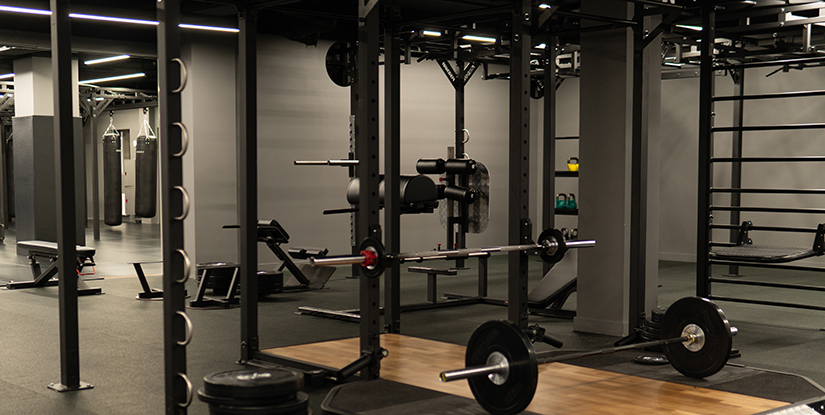
Assessing Raw Material Standards and Structural Integrity
Before a single piece of steel is cut, the quality of the finished product is already determined by the raw material specifications. For a procurement professional, the first step in how to verify gym equipment manufacturers before bulk orders is to look past the glossy catalog photos and demand technical data sheets for the foundational components. A common failure mode occurs when a manufacturer uses thin-gauge steel for frames to reduce costs, leading to structural warping under heavy load. This is not just a durability issue; it is a liability risk.
Verifying Steel Gauge and Wall Thickness
You must differentiate between standard commercial-grade steel and the lighter-weight steel often used in residential-grade equipment. High-quality commercial equipment typically utilizes 11-gauge to 3-gauge steel for heavy lifting stations. If a supplier cannot provide a specific wall thickness or the gauge of the steel used, this is an immediate red flag. A lack of transparency here often results in equipment that develops cracks at the weld points after only a few months of high-frequency use.
Checking Component Metallurgy and Coatings
Beyond the steel itself, the chemical composition of the plating or powder coating determines the longevity of the machine. You should verify whether the manufacturer uses electrostatic powder coating, which provides a more durable and consistent finish than standard spray painting. In environments with high humidity, such as wellness clubs or outdoor facilities, poor coating quality leads to premature oxidation and rust. Always request a sample of the finish to check for evenness and scratch resistance.
| Material Component | Standard Requirement | Common Red Flag |
|---|---|---|
| Steel Frame Thickness | Minimum 11-gauge (approx. 3mm) | Unspecified gauge or <14-gauge |
| Welding Type | Full-penetration MIG/TIG welding | Spot welding or surface-only welds |
| Coating Method | Electrostatic Powder Coating | Standard liquid spray or thin paint |
| Bearing Material | Hardened steel or high-density polymers | Generic plastic or unbranded nylon |
Securing the raw material quality is the bedrock of the procurement process. Once you have established that the materials meet your structural requirements, the focus must shift toward the precision of the manufacturing techniques themselves.
Evaluating Precision in Fabrication and Welding Processes
Having validated the material quality, the next phase involves scrutinizing the actual construction processes. Even with high-grade steel, poor fabrication leads to mechanical misalignment and premature wear. As an experienced buyer, you should understand that the way two metal parts meet determines the lifecycle of the entire machine. If a manufacturer lacks strict tolerance controls, you will encounter parts that do not align, creating friction and noise that frustrate end-users.
The Importance of Weld Integrity and Inspection
Welding is often where cheap manufacturers cut corners to save time. You should look for continuous, deep-penetration welds rather than broken or "tack" welds. A common mistake is to accept equipment with excessive weld splatter or irregular bead shapes. These are signs of a rushed, low-precision process that can lead to catastrophic failure under stress. Ask the manufacturer about their welding protocols: Do they use automated robotic welding for consistency, or is it entirely manual? While manual welding is acceptable for custom pieces, high-volume commercial lines should benefit from the uniformity of robotic precision.
Mechanical Tolerances and Part Alignment
The movement of a weight stack or a cable system relies on perfect alignment. If the pulleys are even slightly off-center, the resistance will feel uneven, and the cables will fray prematurely. During your verification process, ask for the manufacturer's tolerance specifications for moving parts. For example, a commercial-grade cable machine should have highly controlled tolerances for pulley rotation to ensure smooth, frictionless movement. A failure in this area often results in high maintenance costs and frequent part replacements shortly after deployment.
With the fabrication processes understood, you must now look at how these machines are tested to ensure they can handle the rigors of a professional environment.
Standardizing Quality Control and Testing Protocols
A robust manufacturing facility does not rely on luck; it relies on rigorous, repeatable testing. Transitioning from inspecting the factory floor to reviewing the quality control (QC) logs is a vital step in how to verify gym equipment manufacturers before bulk orders. Many suppliers claim to perform "quality checks," but without specific documentation of what those checks entail, those claims are virtually meaningless for a professional buyer.
Mandatory Stress Tests and Load Bearing Verification
Commercial equipment must be capable of handling much more than its advertised weight capacity to remain safe. You should verify if the manufacturer performs actual load-bearing tests on a percentage of each production batch. A credible manufacturer will have data showing how their machines behave at 120% or even 150% of the rated load. If a supplier cannot provide evidence of standardized stress testing, you run the risk of receiving equipment that may fail during a peak usage period, creating significant legal and safety liabilities.
The Role of Batch Testing and Random Sampling
Rather than just checking a single unit, a high-level manufacturer utilizes a statistical approach to quality control. This includes checking for uniformity across a complete production run. You should ask to see a sample of a recent internal inspection report. A professional report will not just say "Passed"; it will list specific parameters, such as bolt torque levels, cable tension, and coating thickness. This level of detail differentiates a serious industrial manufacturer from a simple trading company.
| Test Category | What to Look For | Impact of Failure |
|---|---|---|
| Static Load Test | Weight held for a specific duration without deformation | Frame buckling or structural fatigue |
| Dynamic Load Test | Simulated repetitive movement under load | Worn bearings or cable fraying |
| Fastener Torque Test | Consistent tightness of all bolts and nuts | Loosening and mechanical noise |
| Surface Durability Test | Scratch and chemical resistance of coating | Rust and aesthetic degradation |
Validating these testing protocols ensures that the equipment arriving at your facility is not only functional but also safe for long-term commercial use. The final layer of verification, however, involves examining the precision of the moving components.
Explore the complete technical specifications:
Verifying the Performance of Moving Parts and Mechanical Systems
Once the structural frame is deemed solid, the mechanical complexity of the equipment becomes the primary concern. For machines involving cables, pulleys, or resistance levels, the performance of the moving parts is what defines the user experience. A high-quality frame is useless if the mechanical system is jerky, noisy, or unreliable. This is where many buyers realize they overlooked the technical nuances of the machinery.
Cable Strength, Coating, and Pulley Smoothness
In cable-based machines, the cable is a high-wear component. You must verify the construction of the cable—is it a single-strand wire or a multi-strand braided cable? Is it coated in a high-density polyethylene (HDPE) or nylon sheath? A poor-quality sheath will crack and allow the steel core to oxidize, leading to cable snapping. Furthermore, examine the pulleys. A professional-grade pulley should utilize high-grade bearings that offer a high degree of rotation with minimal friction. If you notice any resistance or 'clicking' during a sample test, the manufacturer is likely using low-grade bushings instead of real bearings.
Resistance Mechanism Accuracy
Whether the machine uses weight stacks, magnetic resistance, or pneumatic systems, the accuracy of the resistance is critical. In professional settings, users expect consistent resistance throughout the entire range of motion. You should ask the manufacturer how they calibrate their resistance systems. For a commercial-grade weight stack, this involves checking the smoothness of the guide rods. If the guide rods are not polished to a mirror finish or are slightly bent, the weight stack will 'catch,' causing an inconsistent and potentially dangerous user experience.
Refining your focus to the mechanical systems ensures that the equipment performs reliably under constant use. This technical scrutiny leads directly to the final stage of the procurement lifecycle: long-term operational durability and maintenance requirements.
Assessing Long-Term Durability and Maintenance Accessibility
The true cost of gym equipment is not the purchase price, but the total cost of ownership (TCO). Even the best-made machine will eventually require maintenance, but the ease with which a manufacturer facilitates this can save you thousands of dollars over time. A critical component of how to verify gym equipment manufacturers before bulk orders is to evaluate their design for serviceability. If a machine is built as a single, non-serviceable unit, any minor failure becomes a reason for total replacement.
Design for Serviceability and Component Replacement
Examine how the components are attached. Are the bearings, cables, and upholstery easily accessible for replacement, or do you need to dismantle the entire frame to reach them? A well-designed piece of commercial equipment uses standard, widely available parts like industrial bearings and universal bolts. This allows your maintenance team to perform quick fixes without relying solely on the original manufacturer for every minor part. When reviewing a product, always ask for a 'service manual' or a 'parts list' to see how modular the design truly is.
Upholstery Quality and Ergonomic Longevity
Upholstery is often the first part of a machine to fail in a high-traffic gym. High-quality commercial upholstery should be made of high-density, medical-grade vinyl that is resistant to sweat, oils, and cleaning chemicals. You should verify the foam density underneath the vinyl as well. If the foam is too soft, it will compress and lose its shape within a year, leading to discomfort and poor ergonomics. Ask for the density specifications (measured in kg/m³) to ensure the padding is designed for long-term commercial use rather than short-term comfort.
| Maintenance Aspect | High-Quality Indicator | Low-Quality Indicator |
|---|---|---|
| Part Accessibility | Modular design with standard fasteners | Integrated/Glued parts requiring full teardown |
| Cable Replacement | Easy-access end caps and standard sizes | Internalized cables with proprietary connectors |
| Upholstery Material | High-density foam with thick, UV-resistant vinyl | Low-density foam with thin, easily torn vinyl |
| Lubrication Points | Clear, labeled ports for maintenance | No visible access for lubrication |
Understanding these maintenance and durability factors allows you to move from a mere purchaser to a strategic operator. The final step in this rigorous verification process is the actual physical inspection of the facility and the logistics infrastructure.
On-Site Verification and Logistics Readiness
The final, and arguably most critical, step in how to verify gym equipment manufacturers before bulk orders is moving beyond documentation to physical or virtual presence. Even a company with great papers can struggle with actual output if their facility management is poor. A logistics failure during a bulk shipment can result in delayed openings or expensive returns that erode your entire profit margin.
The Factory Inspection: Physical vs. Virtual
If budget allows, a physical site visit is the gold standard. You want to see the production flow in real-time. A disorganized floor with scattered parts and lack of safety protocols is a major failure mode. If a physical visit is impossible, a professional-grade virtual inspection is your next best option. Do not just accept a pre-recorded video; demand a live video call where you can ask the representative to show specific details, such as the serial number on a specific component or the texture of a specific weld. A manufacturer who hesitates or makes excuses for a live video feed is likely hiding inconsistencies in their production quality.
Evaluating Packaging and Shipping Protocols
Heavy gym equipment is susceptible to structural damage during long-distance transit. You must verify the manufacturer's packaging standards before the first pallet is even moved. Ask for high-resolution photos of their standard crating methods. A common mistake is to assume that standard cardboard or thin wooden crates are sufficient. For commercial-grade machines, you should expect heavy-duty, reinforced wooden crates or specialized steel-reinforced packaging. A failure in the packaging stage often leads to bent frames or misaligned pulleys upon arrival, making the equipment unusable for professional use.
| Logistics Aspect | Ideal Standard | Risk Factor |
|---|---|---|
| Packing Method | Reinforced wooden crating/heavy-duty palletizing | Standard cardboard or lightweight wood |
| Shipping Documentation | Detailed packing lists with serial number tracking | Vague or incomplete documentation |
| Inventory Management | Organized, labeled production zones | Cluttered or unorganized factory floor |
| Transit Protection | Anti-moisture/corner protection for metal parts | Minimal protection against humidity/impact |
By implementing this multi-layered verification strategy—from the molecular level of the steel to the final logistics of the shipment—you ensure that your investment yields long-term value rather than immediate maintenance headaches.