
Optimizing Gym Floor Rubber Mat Performance and Longevity
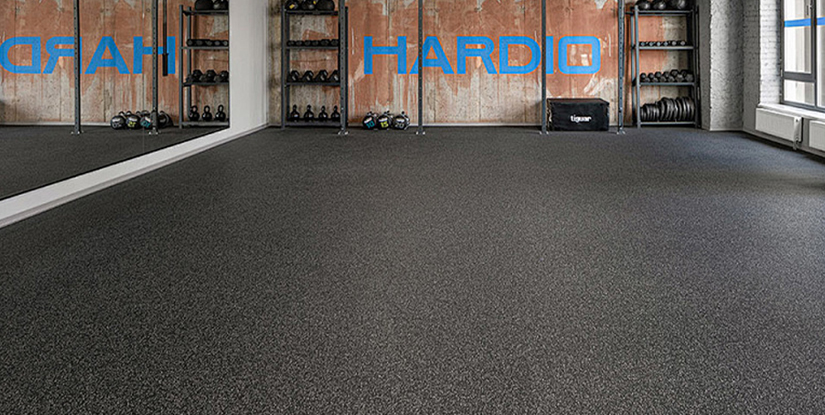
Addressing Premature Wear in High-Impact Zones
Facility operators often face the frustrating sight of uneven surfaces or crumbling edges in heavy lifting areas. This premature degradation is rarely a result of bad luck; it is typically a failure of material selection or improper installation. When a high-density Gym Floor Rubber Mat begins to lose its structural integrity, the cause is often an imbalance between the kinetic energy of dropped weights and the shock absorption capacity of the material. If the mat is too dense, the impact force travels directly into the subfloor, potentially cracking concrete; if it is too soft, the rubber undergoes permanent compression deformation, or 'packing out.'
Common Causes of Surface Cracking
Surface cracking often stems from UV exposure or incompatible cleaning agents that strip the essential oils from the rubber binder. For high-traffic commercial facilities, this leads to a brittle texture that creates trip hazards. Operators must distinguish between surface wear and structural failure to implement the correct remedy. Addressing these mechanical failures requires a shift from reactive replacement to proactive material scrutiny.
| Failure Type | Primary Cause | Verification Method |
|---|---|---|
| Edge Curling | Low density or poor subfloor adhesion | Visual check for gaps at seam edges |
| Surface Cracking | Chemical abrasion or UV degradation | Tactile check for brittleness/flaking |
| Permanent Indentation | Excessive static load or low Shore hardness | Visual check after 24-hour load removal |
Recognizing these failure modes allows for more precise procurement decisions, specifically regarding the density and thickness required for your specific training environment. This understanding is the foundation for selecting the right density and material composition.
Material Selection Criteria: Density vs. Shock Absorption
Once you understand how rubber fails, the next logical step is selecting a replacement or new installation that meets the specific mechanical demands of your equipment. The relationship between density and shock absorption is often misunderstood in gym procurement. A common mistake is assuming that 'thicker is always better.' In reality, a 20mm mat may provide superior protection for a deadlift platform compared to a 40mm mat if the 40mm version lacks the necessary rebound characteristics.
Evaluating Shore Hardness and Material Composition
For professional environments, the Shore hardness (the measurement of a material's resistance to indentation) is a critical specification. Most commercial-grade rubber falls within a specific range designed to balance stability with impact attenuation. High-impact areas, such as Olympic lifting platforms, require a specific density profile to prevent the 'bounce' effect while still protecting the facility's foundation. Below is a comparative guide for selecting the appropriate specification based on training zone.
| Training Zone | Recommended Thickness | Primary Material Characteristic | Implementation Goal |
|---|---|---|---|
| Cardio / Functional | 6mm - 10mm | High density, high abrasion resistance | Surface protection and sound dampening |
| Weight Training | 12mm - 20mm | Balanced rebound and stability | Protection from dropped dumbbells |
| Olympic Lifting | 25mm - 50mm | High shock absorption | Subfloor protection and heavy drop mitigation |
Selecting the wrong density can lead to the structural issues discussed previously, making it essential to align your material choice with your specific equipment load ratings. This alignment leads directly into the complexities of the installation process.
Precision Installation: Avoiding Common Layout Failures
Even the highest-grade rubber is only as effective as its installation. A poorly executed layout can result in shifting mats, which increases the risk of user injury and accelerates the wear of the edges. The goal of a professional installation is to create a monolithic-like surface that resists lateral movement under the heavy footprints of commercial gym equipment.
The Role of Subfloor Preparation and Adhesives
The most frequent error in rubber installation is neglecting the subfloor. A damp or uneven concrete slab will eventually cause the rubber to lift, regardless of its quality. Depending on the duration of use, you must decide between a free-laying approach or a full-adhesive bond. Free-laying is faster for temporary setups, but for permanent commercial installations, a high-quality polyurethane adhesive is the industry standard for preventing 'mat migration.'
- Step 1: Level the subfloor using a self-leveling compound if necessary.
- Step 2: Vacuum the surface to remove all fine particulates.
- Step 3: Apply a moisture barrier if the concrete exhibits high vapor transmission.
- Step 4: Lay the first row of mats and secure with a specialized adhesive.
Once the surface is successfully installed, the focus shifts from setup to the long-term maintenance required to preserve the material's integrity.
Maintenance Protocols for Commercial Longevity
A well-installed and high-quality floor requires a structured maintenance cadence to prevent the degradation mentioned in the initial failure analysis. Maintaining the surface is not just about aesthetics; it is about preserving the chemical composition of the rubber to ensure it remains elastic and durable. Without a strict protocol, sweat, oils, and improper chemicals will inevitably shorten the lifespan of your investment.
Chemical Compatibility and Cleaning Schedules
One of the most dangerous mistakes in facility management is using petroleum-based cleaners on rubber surfaces. These chemicals dissolve the polymer bonds, leading to the 'melting' or tackiness often seen in poorly managed facilities. To ensure longevity, always use pH-neutral cleaners specifically designed for rubber. The following checklist provides a standard operational guideline for facility managers.
- Daily: Vacuum or sweep to remove loose debris that can act as abrasives.
- Weekly: Damp mop with a neutral pH solution to remove accumulated sweat and oils.
- Monthly: Inspect seams and edges for any signs of lifting or loosening.
- Quarterly: Conduct a deep scrub to remove embedded particulates in textured surfaces.
By following a structured cleaning protocol, you minimize the risk of surface cracking and ensure the mat remains a safe, high-performance surface. Regular maintenance is the final pillar in a complete operational strategy.
Verification and Performance Auditing
To ensure your flooring strategy is actually working, you must implement a periodic audit of the surface. It is not enough to assume the floor is fine simply because no one has complained. A proactive facility manager uses specific verification steps to catch issues before they become expensive replacement projects. This audit should cover both the physical state of the material and the functional stability of the layout.
The Operator's Performance Checklist
When conducting a monthly or quarterly audit, use these specific metrics to verify performance. This ensures that the Gym Floor Rubber Mat continues to fulfill its structural and safety mandates. If your facility fails more than two of these checks, it is time to reassess your maintenance products or your material density.
- Stability Test: Apply lateral force (mimic a heavy footstep or equipment slide) to check for shifting.
- Compression Check: Look for permanent 'divots' around heavy dumbbell racks that do not recover after 48 hours.
- Texture Inspection: Run a gloved hand across the surface to detect any changes in friction or unexpected tackiness.
- Seam Integrity: Verify that all edges are flush and no gaps have opened due to temperature fluctuations.
Regular auditing provides the data necessary to justify future capital expenditures or to adjust your current cleaning orders. Ultimately, a high-performance gym relies on a synergy between high-quality materials, precise installation, and rigorous maintenance.
Advanced Environmental Considerations
Modern facility management requires looking beyond basic wear and tear toward environmental and long-term health factors. As air quality standards and sustainability mandates become more prevalent in commercial real estate, the chemical composition of your gym flooring becomes a matter of compliance and occupant comfort.
VOC Emissions and Air Quality
A common failure in low-cost procurement is neglecting Volatile Organic Compound (VOC) levels. High VOC emissions from certain rubber binders can lead to persistent odors that affect air quality. When selecting a Gym Floor Rubber Mat, prioritize products that meet stringent air quality standards. High-quality materials will maintain a neutral scent profile, whereas low-grade alternatives may release unpleasant odors when heated by high-use zones or sunlight exposure.
- Requirement A: Ensure the product is certified for low VOC emissions.
- Requirement B: Verify the material is resistant to odor retention from heavy perspiration.
- Requirement C: Check for non-toxic binder formulations to ensure indoor air quality safety.
Integrating these environmental considerations ensures your facility remains compliant with modern wellness standards and provides a healthy environment for athletes.
Future-Proofing Your Facility Flooring
As fitness technology evolves, so does the demand on your flooring. We are seeing a trend toward more modular and specialized surfaces that can be easily updated as gym layouts change. Understanding the foundational principles of rubber density and maintenance ensures that you are prepared for these shifts, whether you are expanding a functional training zone or upgrading a weight room.
The Evolution of Recycled vs. Virgin Rubber
A significant topic in modern procurement is the choice between recycled and virgin rubber. Recycled rubber is environmentally sustainable and highly cost-effective, but it can sometimes exhibit more odor and a less consistent texture. Virgin rubber, while more expensive, often provides a more uniform surface finish and better control over the Shore hardness. Deciding which to use depends on whether your primary goal is sustainability or extreme precision in floor density.
Whether you choose a highly specialized Olympic lifting platform or a standard functional training area, the core principles of durability and impact management remain the same. By treating your gym flooring as a critical piece of equipment rather than a passive surface, you protect both your facility's assets and your clients' safety.