
Evaluating Exercise Equipment Suppliers: A Professional Procurement Guide
The Hidden Costs of Substandard Exercise Equipment Suppliers
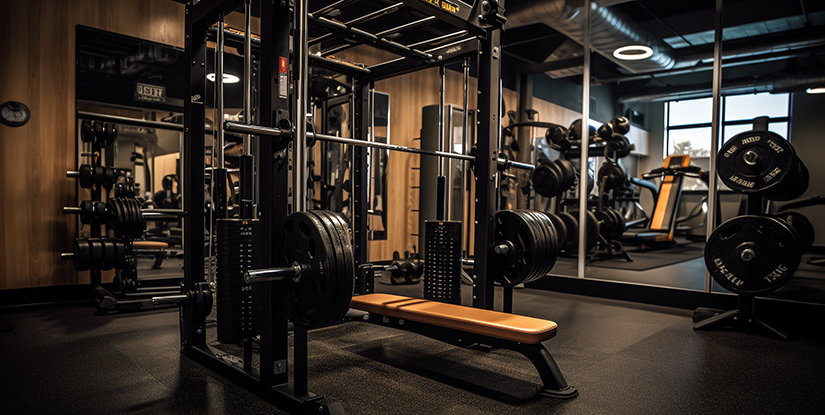
Procuring high-end fitness assets often feels like a straightforward transaction, but facility operators frequently encounter a hidden reality: the true cost of equipment is rarely found in the initial invoice. A primary pain point for gym owners is the premature degradation of mechanical components, which leads to increased downtime and safety liabilities. This degradation is often not a result of misuse, but rather a direct consequence of selecting exercise equipment suppliers who prioritize high-margin, low-durability consumer-grade components for commercial environments.
When a supplier provides gear with inadequate load ratings or non-serviceable bearings, the failure mechanism is predictable. Increased friction in cardio units or structural fatigue in resistance machines occurs because the internal metallurgy cannot handle the repetitive stress of 12-hour daily usage cycles. To avoid this, procurement managers must move beyond the sales pitch and demand technical specification sheets that detail component-level durability. Understanding these technical foundations is the first step toward establishing a reliable procurement workflow.
Identifying the 'Commercial Grade' Fallacy
A common mistake in the procurement phase is accepting the term 'commercial' without verifying the underlying engineering standards. Many entities masquerading as high-tier vendors actually provide 'light commercial' gear, which lacks the structural integrity required for high-traffic clubs. To verify quality, look for specific load capacities and material thickness in the technical documentation. If a supplier cannot provide a spec sheet detailing the gauge of the steel used in a power rack or the shore hardness of the upholstery, they are likely not a specialized commercial provider.
Assessing Structural Integrity and Material Selection
Once the basic distinction between grade levels is understood, the focus must shift to the actual physical properties of the machinery. The mechanical failure of a weight stack or a selector pin is rarely a random event; it is the result of material fatigue or improper metallurgical selection. A professional operator must evaluate the density and resilience of the equipment to ensure it meets the rigorous demands of a professional facility.
For instance, in strength training environments, the distinction between powder coating and electroplating can determine the lifespan of a machine in high-humidity settings. Choosing a supplier that utilizes high-grade finishes reduces the risk of oxidation and surface degradation. Below, we outline the critical material parameters that should be part of every technical inquiry.
| Component Type | Required Standard | Failure Mode (If Substandard) | Verification Method |
| Strength Racks | 11-gauge or higher steel | Frame bowing/Structural fatigue | Measure steel wall thickness |
| Cardio Bearings | Sealed, precision-grade | Heat buildup/Noise/Seizing | Check for smooth, silent rotation |
| Upholstery | High-density, moisture-resistant | Cracking/Spalling/Hygiene failure | Press test for shore hardness |
| Weight Stacks | Hardened steel pins/Polished rails | Pin bending/Guide rod friction | Check for vertical travel smoothness |
By establishing these material benchmarks, buyers can move from a reactive stance to a proactive selection process. However, selecting the right materials is only effective if the supplier can also demonstrate a robust logistics and installation framework.
Optimizing Facility Layout and Floor Load Constraints
The physical deployment of heavy assets requires more than just floor space; it requires a deep understanding of structural engineering. A significant oversight in facility planning is ignoring the dynamic load exerted by heavy lifting equipment or high-impact cardio machines. This can lead to sub-floor cracking or even structural issues in the building itself.
When coordinating with exercise equipment suppliers, operators must provide precise floor load capacities and ceiling height data. For example, a facility housing heavy barbell plates requires a different shock absorption profile than a boutique studio. A failure to account for these variables results in excessive vibration and long-term floor damage. Use the following checklist to prepare your facility data before contact.
- Ceiling Clearance: Minimum 12 inches above the highest point of movement (e.g., overhead press or high-velocity treadmill).
- Static Load Rating: Maximum weight of a single station (machine + user + weights).
- Dynamic Impact Factor: The force exerted during repetitive movements like jumping or heavy lifting.
- Floor Substrate: Concrete, wood, or raised flooring to determine required shock absorption.
With the physical constraints of the facility mapped, the focus turns to the long-term viability of the assets through a structured maintenance regimen.
Related reading:
Establishing a Preventative Maintenance and Inspection Cadence
Even the highest-quality equipment will fail if neglected, but the primary goal of a maintenance program is to move from 'repair when broken' to 'inspect to prevent.' The failure to implement a rigorous schedule leads to an unpredictable operational environment where equipment is frequently out of order, frustrating members and increasing liability.
A professional maintenance cycle is categorized by three distinct levels of intervention: visual, mechanical, and structural. Each level addresses a different failure mechanism, from surface wear to deep internal component fatigue. The following table illustrates a recommended inspection interval for commercial-grade facilities.
| Inspection Type | Frequency | Target Components | Key Action Item |
| Level 1: Visual | Daily/Weekly | Cables, upholstery, bolts, digital screens | Check for fraying, cracks, or loose parts |
| Level 2: Mechanical | Monthly | Bearings, resistance levels, lubrication points | Apply lubricant; check for smooth motion |
| Level 3: Structural | Quarterly | Welds, frame integrity, bolt torque levels | Verify all bolts meet manufacturer torque specs |
Neglecting these intervals is a common error; for example, failing to check cable tension often results in snapped cables, which can cause significant injury. Regularity is the key to extending the ROI of your procurement. Once the maintenance schedule is ingrained in the staff's culture, the final stage is ensuring the supplier can support these long-term needs.
Related reading:
Vetting Post-Sale Support and Technical Serviceability
The relationship with your chosen partner does not end at the delivery of the crates. A critical failure point for many facility managers is the 'one-and-done' supplier—an entity that excels at selling but lacks the infrastructure to support ongoing maintenance or part replacement. This lack of support leads to 'dead zones' in the gym where broken machines sit for months, awaiting a single specialized component.
To avoid this, an operator must verify the technical serviceability of each piece of equipment. This means checking for modular parts that can be easily replaced and ensuring the supplier maintains a robust inventory of wear items like cables, bushings, and belts. A truly professional partner will provide a clear documentation trail for every component, making it easy for your on-site staff to perform routine adjustments.
Defining Support Tiers and Service Level Agreements
When negotiating with exercise equipment suppliers, do not settle for vague promises of "support." Demand a clear definition of service tiers. For instance, a Tier 1 support model might offer only email-based technical documentation, whereas a Tier 2 model includes remote diagnostic support and a 48-hour parts shipping guarantee. A common mistake is assuming that a standard warranty covers the labor required for installation or routine part replacements; always verify the distinction between product warranty and service coverage.
Related reading:
The Economic Impact of Lifecycle Management
The total cost of ownership (TCO) is the most important metric in commercial fitness procurement. While a low initial purchase price may seem attractive, it often conceals a much higher TCO due to the frequency of replacement and the cost of specialized repairs. A professional-grade approach focuses on the lifecycle of the asset rather than the upfront capital expenditure.
When evaluating exercise equipment suppliers, ask for a breakdown of the expected lifecycle for high-wear items. If a supplier cannot estimate the lifespan of a belt or a motor, it is a red flag regarding the quality of their engineering. High-quality procurement is an investment in stability and long-term operational efficiency.
Comparing CapEx vs. OpEx Models
Sophisticated procurement managers often debate whether to prioritize Capital Expenditure (CapEx) or Operating Expenditure (OpEx). A CapEx-heavy approach involves buying heavy-duty equipment outright, which requires high upfront liquidity but results in lower long-term costs. Conversely, an OpEx-focused approach, often involving leasing, offers lower initial costs and easier upgrades but can lead to higher cumulative costs over a decade. Understanding your facility's cash flow requirements is essential to determining which model fits your business scale.
Related reading:
Finalizing the Selection: A Verification Protocol
The transition from a potential buyer to a successful facility operator requires a rigorous verification phase. Before signing a procurement contract, utilize a structured protocol to confirm that the supplier's claims align with technical realities. This process turns a speculative purchase into a calculated strategic asset acquisition.
Start by requesting a 'sample spec sheet' for a high-use item and cross-reference it with the benchmarks discussed in this guide. If the data is vague, the equipment is likely substandard. Once you have verified the material, the installation requirements, and the maintenance support, you are prepared to proceed with confidence.
- Step 1: Verify manufacturer certifications for load and durability.
- Step 2: Confirm the availability of replacement parts in local or regional warehouses.
- Step 3: Conduct a final review of the installation and flooring integration plan.
- Step 4: Establish a baseline maintenance log for the new assets.
By following this structured approach, you move beyond the simple act of purchasing and into the realm of professional facility management, ensuring your investment serves your facility for years to come.