
Essential Weight Training Supplies for Your Gym: A Strategic Procurement and Operations Guide
The Hidden Risks of Substandard Weight Training Supplies
Procuring equipment for a fitness facility involves more than just aesthetic appeal; it is a fundamental matter of liability and operational longevity. Substandard weight training supplies often present hidden risks that manifest as catastrophic structural failures or long-term ergonomic issues for users. When a facility selects low-grade steel or inferior polymers to save on initial capital expenditure, they frequently encounter accelerated depreciation and increased maintenance overhead.
- Material Fatigue: Lower-grade alloys in racks or bars are prone to microscopic stress fractures over time.
- Safety Liabilities: Using non-compliant load-bearing components increases the risk of injury during high-intensity movements.
- Brand Degradation: Equipment that looks worn or functions poorly due to low quality reflects poorly on the facility's professional standards.
To avoid these pitfalls, operators must prioritize material certifications and structural testing over the lowest possible unit price. Understanding these baseline risks is the first step toward building a foundation of quality, which leads directly into the selection of specific free weight components.
Optimizing Free Weight Selection Through Material Integrity
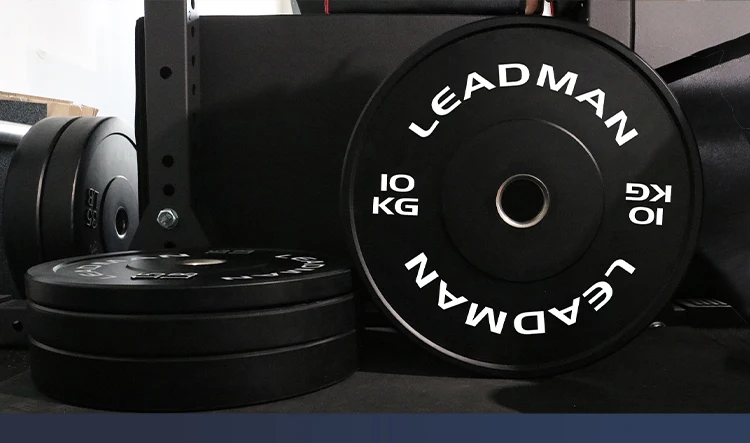
Free weights are the most frequently handled and potentially damaged items in a gym. Selecting the right materials determines whether your inventory lasts for years or requires replacement within a single seasonal cycle. When evaluating weight plates and dumbbells, focus on the core material and the outer coating.
| Material Type | Common Use Case | Primary Benefit | Durability Level |
|---|---|---|---|
| Cast Iron | Standard strength training | High density and cost-effective | Moderate (prone to oxidation) |
| Rubber Coated | High-impact environments | Noise reduction and floor protection | High (impact resistant) |
| Urethane Coated | Premium commercial settings | Extreme durability and chemical resistance | Highest (long-term investment) |
A common mistake is choosing standard rubber without considering the density of the material; low-density rubber can crumble under heavy repetitive impact. When selecting these supplies, ensure they meet standardized weight tolerances to prevent discrepancies that can frustrate serious athletes. Once your weight selection is finalized, the next priority is the systems that hold these weights safely in place.
Structural Integrity of Racks and Support Systems
Racks and power cages serve as the skeleton of a weight training area. The structural integrity of these systems is non-negotiable, as they must withstand both static loads and dynamic forces. When procuring racks, you must evaluate the gauge of the steel and the quality of the welding.
Decision Criteria for Racks:
- Steel Gauge: Seek heavy-duty tubing with a high gauge count to prevent bending under load.
- Footprint and Stability: Ensure the base dimensions are sufficient to prevent tipping during heavy barbell movement.
- Adjustment Mechanisms: Check the durability of pins and sliding mechanisms to ensure they do not seize or fail under tension.
A frequent failure mode in budget facilities is the use of thin-walled tubing that develops structural wobbles after a few months of heavy use. Beyond the racks themselves, the surface beneath them must be capable of absorbing the immense energy transferred during a lift. This brings us to the necessity of specialized flooring solutions.
The Role of High-Density Flooring in Impact Management
Flooring is not merely a surface to stand on; it is a critical component of the weight training ecosystem. High-density flooring manages energy, protects the subfloor, and mitigates noise pollution. Without proper impact management, the kinetic energy from a dropped weight can cause structural damage to the building itself.
Implementation Checklist:
- Density Assessment: For heavy lifting zones, specify high-density vulcanized rubber rather than standard foam mats.
- Thickness Requirements: Use a thickness-to-impact ratio; for example, deadlift platforms often require thicker sections than standard cardio zones.
- Edge Finishing: Ensure edges are beveled to prevent tripping hazards in high-traffic areas.
Neglecting the flooring quality often leads to cracked subfloors or excessive vibration throughout the facility. While the floor protects the building, the maintenance of the tools used upon it is just as vital to operational success. This includes the rigorous care of the barbells themselves.
Maintenance Protocols for Barbells and Knurling
The barbell is the primary tool of the weightlifter, and its condition directly impacts the user's grip and safety. A poorly maintained barbell can lead to uneven weight distribution or even structural snapping. Maintenance should be treated as a recurring operational task, not a one-time event.
Key Maintenance Indicators:
- Knurling Integrity: Inspect the texture for smoothing or rounding, which indicates high wear and reduced grip security.
- Sleeve Rotation: Test the rotation of the sleeves. If the rotation feels 'sluggish' or stiff, the internal bearings or bushings may be failing.
- Straightness: Regularly check for any permanent bends or deviations in the shaft alignment.
A failure to monitor these details can lead to a decline in user satisfaction and increased injury risk. Just as the barbell requires care, the facility must also manage the way these tools are stored to prevent damage and accidents. This leads to the optimization of storage solutions.
Optimizing Storage Solutions for Space and Safety
Effective storage is the difference between a chaotic, hazardous gym and a professional training environment. Proper organization maximizes the usable square footage of your facility while ensuring that equipment is not damaged by improper stacking or environmental exposure.
Best Practices for Storage:
- Vertical Utilization: Use vertical weight trees and wall-mounted racks to keep the floor clear of tripping hazards.
- Tiered Organization: Group items by weight or type to allow for quick identification and easy restocking.
- Environmental Protection: Store metal components in areas with controlled humidity to prevent oxidation and rust.
Failure to implement organized storage often leads to 'equipment drift,' where items are left in unsafe locations, eventually causing wear and tear. Efficient storage protects your investment and leads naturally into the long-term management of your assets.
Long-Term Lifecycle Management and ROI Analysis
To maximize the Return on Investment (ROI) of your gym's equipment, you must transition from a reactive replacement mindset to a proactive lifecycle management model. This involves tracking the age, usage frequency, and physical condition of every major piece of equipment.
Lifecycle Parameters:
- Depreciation Scheduling: Account for the gradual wear of rubber coatings and bearing fatigue in your annual budget.
- Usage Tracking: Monitor high-use areas to predict when certain items (like dumbbells or plates) will reach their end-of-life.
- Upgrade Cycles: Plan for technological or material upgrades every 3–5 years to keep the facility competitive.
By treating equipment as a depreciating asset rather than a static purchase, you can avoid unexpected capital outlays. However, even with the best management, a final daily check is required to ensure immediate safety. This leads to the final operational protocol.
Final Verification: The Operator's Daily Safety Audit
The most sophisticated management systems are useless if the daily physical reality of the gym is overlooked. A daily safety audit is the final line of defense in a professional facility. This is a non-negotiable routine for floor managers and staff.
Daily Audit Checklist:
- Visual Inspection: Check for loose bolts on racks, frayed cables, or damaged weight plate coatings.
- Surface Integrity: Verify that flooring is clean, dry, and free of debris that could cause slips.
- Storage Compliance: Ensure all weights are returned to their designated racks and that paths are clear.
Executing this audit consistently ensures that the strategic procurement and long-term maintenance efforts translate into a safe, high-performing environment for all members. By following these structured layers of oversight—from procurement to daily inspection—operators can guarantee both safety and profitability.