
The Durability of Heavy Duty Gym Equipment Under Intensive Use
Structural Integrity and Material Selection Fundamentals
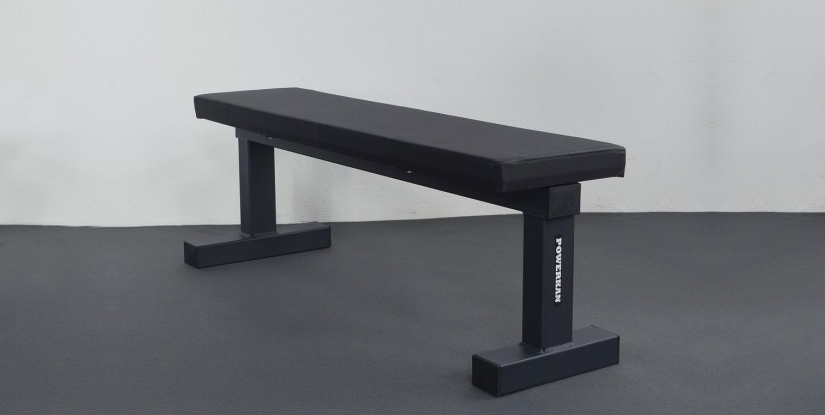
The durability of heavy duty gym equipment under intensive use is not merely a function of thickness, but a complex interplay of material science and structural engineering. When an operator experiences premature frame deformation or weld failure, the root cause is often a mismatch between the equipment's mechanical properties and the kinetic energy loads generated during high-intensity interval training (HIIT) or heavy compound lifting. A robust frame must withstand not only static weight but also the dynamic, often unpredictable, impact of dropping barbells or rapid directional changes.
Metallurgical Standards for High-Load Frames
Commercial-grade steel tubing is the foundation of any durable strength training station. While thinner gauges might suffice for residential use, professional environments require specific wall thicknesses and alloy compositions. A common failure mode is the buckling of thin-walled tubing under heavy eccentric loading. To prevent this, engineers utilize high-tensile low-alloy steel, which offers a superior strength-to-weight ratio and greater resistance to fatigue cracking.
| Material Component | Standard Requirement | Function in Intensive Use |
|---|---|---|
| Steel Gauge | Minimum 11-gauge (approx. 3mm) | Prevents structural buckling under dynamic impact |
| Welding Type | Full-penetration MIG/TIG | Ensures joint integrity during vibration-heavy use |
| Powder Coating | Electrostatic Polymeric Finish | Resists abrasion from constant weight plate contact |
| Tube Profile | Consistent Wall Thickness | Eliminates stress concentration points |
Selecting equipment based solely on outward appearance is a common mistake; operators must verify the actual steel gauge and welding method. A successful procurement strategy involves requesting technical specification sheets that detail the metallurgical properties. Once the material foundation is established, the focus must shift toward the mechanical moving parts that endure constant friction.
Mechanical Component Lifespan and Friction Management
Given that the structural frame provides the foundation, the mechanical components—such as pulleys, bearings, and cables—represent the most frequent points of failure in a high-traffic facility. The durability of heavy duty gym equipment under intensive use is heavily reliant on the quality of these high-wear parts. Friction is the primary antagonist in resistance-based training, leading to heat buildup, material fraying, and eventual mechanical seizure.
Cable Tensile Strength and Pulley Precision
In selectorized and functional trainer machines, the cable system is the lifeline of the equipment. A common failure occurs when operators use low-grade nylon-coated cables that cannot handle the high-frequency cycles of a commercial setting. Under intensive use, these cables suffer from internal strand breakage. To mitigate this, professionals look for aircraft-grade galvanized steel cables with high tensile strength. Furthermore, the pulleys must utilize high-precision ball bearings rather than simple bushings to reduce drag and thermal degradation.
- Failure Mode: Cable fraying at the end-caps due to improper termination.
- Mitigation: Use of heavy-duty swaged fittings and protective sleeves.
- Verification: Inspect for any visible wire strands or 'kinks' in the cable during weekly maintenance.
The precision of these mechanical parts determines the smoothness of the user experience and the long-term ROI of the machine. Proper management of these moving parts is a prerequisite for understanding the maintenance protocols required to keep them operational.
Developing a Rigorous Maintenance Cadence
Once the high-quality mechanical components are installed, the focus transitions from selection to preservation. A lack of a standardized maintenance cadence is the single most significant factor in reducing the operational lifespan of premium equipment. Without regular intervention, small issues like minor lubrication loss or a loose bolt can escalate into catastrophic mechanical failures.
The Systematic Inspection Framework
Effective maintenance is not a reactive response to a broken machine; it is a proactive ritual of verification. Operators should categorize their maintenance tasks into daily, weekly, and quarterly intervals to ensure no component is overlooked. This systematic approach allows for the identification of subtle shifts in performance before they become safety hazards.
| Interval | Focus Area | Key Action Item |
|---|---|---|
| Daily | Surface & Safety | Wipe down contact points; check for debris in tracks |
| Weekly | Fasteners & Cables | Torque check on primary bolts; inspect cable coatings |
| Monthly | Lubrication & Bearings | Apply specialized lubricant to guide rods and pulleys |
| Quarterly | Full Structural Audit | Deep inspection of welds, frame stability, and upholstery |
A common mistake in commercial settings is the use of incorrect lubricants. For example, applying standard WD-40 to a pulley system can actually strip away existing grease and attract dust, leading to faster wear. Always use high-viscosity lithium-based grease or silicone spray as specified by the technical documentation. With a maintenance schedule in place, the next step is learning how to identify the early warning signs of component fatigue.
Explore the complete technical specifications:
Troubleshooting Early Warning Signs of Fatigue
Effective troubleshooting requires an observant eye for the early warning signs of mechanical distress. Because the durability of heavy duty gym equipment under intensive use is dependent on constant stress management, any deviation from a standard operating baseline should be treated as a critical warning. Waiting for a total component failure is often too late to avoid high repair costs or user injury.
Identifying Sound and Motion Anomalies
One of the most reliable ways to diagnose potential issues is through auditory and tactile feedback. A machine that operates smoothly should produce a consistent, low-decibel sound profile. If a user reports a 'grinding' or 'clicking' sensation, it is rarely a subjective complaint; it is a physical indication of a technical problem.
- The 'Grind' Sound: Typically indicates bearing failure or foreign object intrusion within a pulley housing.
- The 'Rhythmic Click': Often points to a loose fastener or a cable that is not seated correctly in its track.
- The 'Stuttering' Motion: Suggests a bend in a guide rod or a lack of lubrication on a vertical track.
To verify the root cause, an operator should perform a 'test load' under controlled conditions. If the anomaly persists under varying speeds and weights, the issue is likely mechanical (bearing or cable) rather than user-induced. Addressing these signs early prevents the structural strain that leads to larger-scale failures.
Explore the complete technical specifications:
Load Distribution and Environmental Impact on Durability
Beyond the immediate mechanical stress of exercise, the external environment plays a crucial role in the long-term stability of gym assets. Even the highest quality equipment is subject to the laws of physics regarding load distribution and environmental degradation, which can subtly compromise the structural integrity of a facility over several years.
The Impact of Flooring and Placement
The durability of an entire equipment line is often compromised by the surface it sits on. If heavy racks are placed directly on concrete without appropriate vibration-dampening flooring, the constant micro-vibrations from heavy lifts can gradually loosen the base bolts and potentially cause frame fatigue. Proper load distribution is essential for both the machine and the building structure.
Environmental Controls for Longevity
Humidity and temperature fluctuations are the silent killers of gym equipment, particularly regarding upholstery and electronic components. High humidity can lead to oxidation in steel parts and the rapid degradation of synthetic leather on benches. To ensure longevity, operators must monitor the following parameters:
- Relative Humidity: Should be maintained within a stable range to prevent metal oxidation and upholstery mold.
- Temperature Stability: Extreme heat can cause expansion/contraction in moving parts, potentially affecting the calibration of selectorized machines.
- Air Quality: Dust buildup in mechanical tracks can act as an abrasive, accelerating the wear of pulleys and cables.
By managing the surrounding environment as carefully as the machines themselves, facility managers can significantly extend the lifespan of their capital investments. This holistic view of maintenance leads to the final consideration: the long-term ROI of professional-grade procurement.
Optimizing ROI Through Intelligent Procurement Strategies
Ultimately, the durability of heavy duty gym equipment under intensive use is a direct reflection of the initial procurement decisions. While the upfront cost of commercial-grade equipment is higher than residential alternatives, the total cost of ownership (TCO) is often significantly lower due to reduced replacement frequency and minimized downtime. A professional procurement strategy shifts the focus from 'cheapest price' to 'lowest cost per use'.
The Total Cost of Ownership (TCO) Perspective
When evaluating a potential purchase, operators must look beyond the sticker price and consider the long-term maintenance requirements. A machine that is inexpensive but requires frequent part replacements or specialized technician visits will quickly become a liability. A highly durable machine, conversely, provides a predictable expenditure model.
| Factor | Residential-Grade Equipment | Commercial-Grade (Heavy Duty) |
|---|---|---|
| Initial Investment | Low | High |
| Annual Maintenance Cost | Variable (Unpredictable) | Predictable (Routine) |
| Lifespan in High-Traffic | 1–3 Years | 8–12+ Years |
| Repair Availability | Limited / Non-existent | High (Standardized Parts) |
| Resale Value | Negligible | Moderate (High-quality assets) |
To optimize ROI, professionals should prioritize brands that offer standardized parts and transparent technical documentation. The ability to source a replacement cable or bearing easily is just as important as the initial quality of the metal. In conclusion, by focusing on material science, rigorous maintenance, and environmental control, operators can ensure their equipment remains a high-performing asset for years to come.
Material Fatigue and Component Lifespan Benchmarks
Understanding the threshold of component fatigue is vital for long-term operational planning. Every mechanical system, no matter how robustly constructed, has a finite number of cycles before structural or functional degradation begins. In a high-intensity environment, these cycles occur at an accelerated rate, making it essential to understand the benchmark of when to preemptively replace a part rather than waiting for failure.
Cycle Thresholds and Replacement Triggers
Durability is often measured in terms of lifecycle capacity. For example, a heavy-duty cable system might be rated for hundreds of thousands of repetitions, but environmental factors like dust can reduce this number by 30-40%. Operators must decide on replacement triggers based on both time and usage volume. A common mistake is relying solely on a calendar-based replacement (e.g., every 12 months), which may result in replacing perfectly functional parts or, conversely, missing a failure during a high-usage peak.
- Usage-Based Trigger: Replace cables after a specific volume of heavy lifts (e.g., every 500,000 cycles).
- Visual-Based Trigger: Replace when the protective coating shows any signs of fraying or discoloration.
- Performance-Based Trigger: Replace if the smoothness of the movement changes significantly, regardless of age.
Establishing these benchmarks allows for a predictable budget for replacement parts. This predictive approach ensures that the durability of heavy duty gym equipment under intensive use is maximized without risking sudden, costly downtime during peak facility hours.