
Optimizing Your Facility with a High-Quality Dumbbell Rack Set With Weights
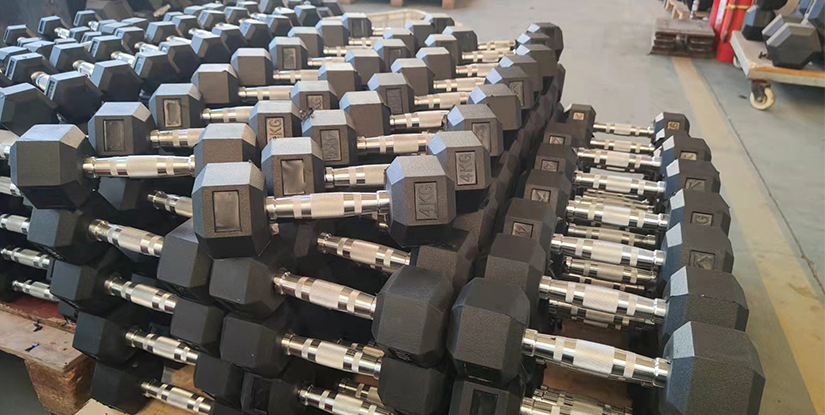
Addressing the Instability of Standard Dumbbell Storage Solutions
Facility operators often encounter a frustrating cycle of equipment displacement and localized floor damage when utilizing subpar storage. A common pain point is the visible tilting or gradual structural leaning of a Dumbbell Rack Set With Weights after only a few months of heavy commercial use. This is rarely caused by a single catastrophic event, but rather by the cumulative effect of uneven weight distribution and insufficient base stabilization. When a rack begins to lean, it creates a significant safety hazard, potentially leading to unexpected spills or user injury. This structural instability typically stems from an imbalance between the total weight capacity of the rack and the actual mass of the loaded dumbbells, or a failure to account for floor leveling. Resolving this requires more than just adding weight; it requires a fundamental shift toward precision-engineered storage systems. Understanding these structural mechanics is the first step toward a professional-grade setup, which leads directly to the critical decision of material selection.
Identifying the Root Causes of Rack Imbalance
Before investing in a replacement, it is essential to diagnose whether the issue is the product or the environment. Most instability issues are categorized into three failure modes: uneven load profiles, inadequate footing, and material fatigue. If your rack is frequently tilted, you are likely dealing with a center-of-gravity conflict. By identifying these markers early, operators can prevent costly floor repairs and equipment replacement.
| Failure Mode | Primary Cause | Visible Symptom |
|---|---|---|
| Structural Lean | Uneven weight distribution across tiers | Diagonal tilting of the vertical uprights |
| Base Scuffing | Lack of floor protection/unstable feet | Localized indentation in rubber flooring |
| Tier Sagging | Exceeding the max load per shelf | Downward bowing of the horizontal support |
Once the source of instability is identified, the focus must shift to the physical composition of the unit to ensure long-term durability. This technical foundation dictates how the equipment will withstand the rigors of daily high-volume use.
Technical Specifications for Heavy-Duty Dumbbell Rack Sets
A professional-grade Dumbbell Rack Set With Weights is defined by its ability to maintain structural integrity under varying thermal and physical loads. Selecting a unit based on aesthetics rather than technical specs is a frequent mistake made by procurement managers. For instance, choosing a rack with a thin-gauge steel frame might seem cost-effective, but in a commercial setting, the lack of torsional rigidity will lead to rapid failure. Operators must prioritize high-density steel profiles and advanced coating technologies. A robust selection process involves analyzing the weight-to-strength ratio and the specific coating used to prevent oxidation. This data-driven approach ensures that the equipment remains a functional asset rather than a liability.
Material Grade and Surface Finish Requirements
The longevity of your weight set depends heavily on the chemical and physical properties of the steel. In high-humidity environments or gyms with heavy ventilation, oxidation can compromise the structural integrity of the metal. Therefore, checking the powder coating thickness and the quality of the weld points is a mandatory verification step. High-quality sets often feature a textured finish that serves a dual purpose: increasing durability and providing a non-slip surface for the weight heads.
- Steel Gauge: Ensure the thickness meets or exceeds commercial standards for weight-bearing uprights.
- Welding Integrity: Look for continuous, smooth welds rather than erratic or spot welds.
- Powder Coating: Verify the coating is resistant to both sweat-induced corrosion and impact chipping.
By verifying these material benchmarks, you move from simple procurement to strategic asset management, which prepares the facility for the essential task of correct installation and layout.
Optimizing Layout and Floor Load Dynamics
A high-quality rack is only as effective as its placement within the facility. Even the most durable Dumbbell Rack Set With Weights can cause long-term damage to a building's structural slab if the load distribution is not managed correctly. The weight of a full dumbbell set is concentrated in a very small footprint, creating high points of pressure. If the flooring system is not designed to absorb this impact, you will face issues with floor compression or even cracking in certain sub-floor materials. This is why professional facility designers always consider the interaction between the rack base and the gym flooring.
Integrating Shock Absorption and Floor Hardness
To mitigate the risk of floor damage, operators should pair their weight sets with high-density flooring that meets specific Shore hardness requirements. The goal is to create a buffer that distributes the static load of the rack across a wider area. Without this, the constant vibration and shifting caused by users retrieving weights can cause the rack to 'walk' or vibrate excessively, leading to structural fatigue. A common mistake is using thin, decorative mats that offer no actual load-bearing capacity.
| Flooring Type | Primary Benefit | Ideal Use Case |
|---|---|---|
| High-Density Rubber (20mm+) | Exceptional shock absorption | Heavy dumbbell areas and high-traffic zones |
| Vulcanized Rubber Tiles | High wear resistance | High-intensity training zones |
| Standard Gym Matting | Light impact protection | Light weight areas or low-traffic zones |
Successful installation relies on these environmental considerations, setting the stage for the rigorous inspection and maintenance routines required to keep the equipment in peak condition.
Related reading:
Standardized Maintenance and Inspection Protocols
Maintaining a commercial-grade Dumbbell Rack Set With Weights requires a structured approach to prevent the gradual degradation of components. Many operators neglect the routine maintenance of the rack itself, focusing only on the weights. However, the rack is the skeleton of your training zone, and any failure in its structure can compromise the entire set. A rigorous inspection cadence ensures that small issues, like a loose bolt or a minor scratch in the coating, do not escalate into structural failures. This proactive stance is significantly more cost-effective than reactive repairs or full-set replacements.
Routine Inspection Checklist for Facility Managers
A successful maintenance program is built on consistency. Operators should implement a weekly visual audit and a monthly mechanical verification. The following checklist provides the necessary parameters for a professional-grade inspection. Failure to conduct these checks regularly is a primary reason for premature equipment obsolescence in professional clubs.
- Hardware Integrity: Check all bolts and fasteners for proper torque and signs of loosening.
- Surface Inspection: Look for chips in the powder coating that could lead to rust.
- Leveling Check: Use a spirit level to ensure the rack has not shifted or tilted due to floor settling.
- Weight Alignment: Verify that all dumbbells are seated correctly and within their designated weight slots.
Executing these checks consistently allows the facility to identify potential failure modes before they impact the user experience, maintaining a safe and professional training environment.
Related reading:
Troubleshooting Common Operational Failures
Even with strict maintenance, operational issues can arise due to high-frequency usage or environmental changes. Troubleshooting these issues requires a systematic approach: first, identify the symptom; second, determine the likely cause; and finally, apply the correct technical fix. For example, if you notice a rattling sound during use, it is rarely a sign of a broken part, but more likely an indication of a loose fastener or an unbalanced weight load. By understanding these mechanical relationships, operators can resolve issues without needing external technical support.
Resolving Mechanical Noise and Vibration Issues
Noise is often the first sign of a mechanical problem in a heavy-duty Dumbbell Rack Set With Weights. If the rack is producing an audible rattle, it is usually a result of vibrational energy being transferred through loose components. This can lead to faster wear on the hardware. Addressing this quickly prevents the vibration from causing further damage to the structural welds or the floor interface.
| Observed Symptom | Likely Cause | Required Action |
|---|---|---|
| Rattling/Clunking | Loose mounting bolts or fasteners | Re-torque all hardware to manufacturer specifications |
| Uneven Weight Feel | Improperly seated weight heads | Re-align weights within the rack cradle |
| Slow Creep/Leaning | Sub-optimal floor density or leveling | Re-level the base and add more dense flooring |
Resolving these operational discrepancies ensures that the equipment remains a reliable asset, which brings us to the broader perspective of long-term facility ROI.
Related reading:
The Long-Term ROI of Professional Equipment Selection
While the initial procurement of a high-end Dumbbell Rack Set With Weights may require a higher capital expenditure, the long-term return on investment is significantly greater than purchasing lower-cost alternatives. The total cost of ownership (TCO) must include the costs of replacement, maintenance, and potential liability from equipment failure. A professional-grade set minimizes these variables, offering a predictable lifecycle that benefits both the facility's budget and its reputation for quality. In a competitive market, the reliability of your equipment is a direct reflection of your brand's standards.
Calculating Total Cost of Ownership (TCO)
To make an informed decision, procurement managers should look beyond the purchase price. A thorough TCO analysis includes the initial cost, the frequency of maintenance, the expected lifespan of the unit, and the potential cost of downtime or injury. High-quality equipment generally requires less frequent intervention and offers a much longer service life, making it the economically superior choice over a multi-year period. This strategic view helps justify the upfront investment to stakeholders and ensures long-term operational stability.
- Initial Cost: The direct price of the rack and weight set.
- Maintenance Cost: The cost of tools, lubricants, and labor for regular upkeep.
- Replacement Cycle: How often the unit must be replaced under heavy use.
- Liability Risk: The potential cost of injuries resulting from equipment failure.
With the economic and technical variables understood, the final step is ensuring that every member of the staff is aligned with the standards for usage and safety.
Related reading:
Finalizing Facility Standards for Equipment Use
The effectiveness of your Dumbbell Rack Set With Weights is ultimately determined by the behavior of the people using it. No matter how durable the steel or how thick the powder coating, improper handling by users can still lead to accelerated wear and tear. Establishing clear, professional standards for equipment usage is the final layer of your facility's management strategy. This ensures that the technical durability of the product is matched by the operational discipline of the community, resulting in a safe, efficient, and high-performing training environment.
Implementing User Safety and Compliance Guidelines
Creating a culture of respect for the equipment is vital. This is achieved through clear signage and staff training. When users understand that the rack is a precision-engineered tool rather than just a shelf, they are more likely to handle the weights with the care required to preserve the equipment's lifespan. This final step in the management process bridges the gap between technical excellence and daily operational success.
- Signage: Use clear, professional signs regarding weight limits and proper loading.
- Staff Training: Ensure all personnel can identify the signs of rack instability or weight misalignment.
- End-of-Day Checks: Implement a standard procedure for returning all weights to their designated positions.
By following these guidelines, you ensure that your investment in high-quality equipment yields the maximum possible benefit for your facility and your members.