
Optimizing Facility Performance with a Commercial Gym Adjustable Bench
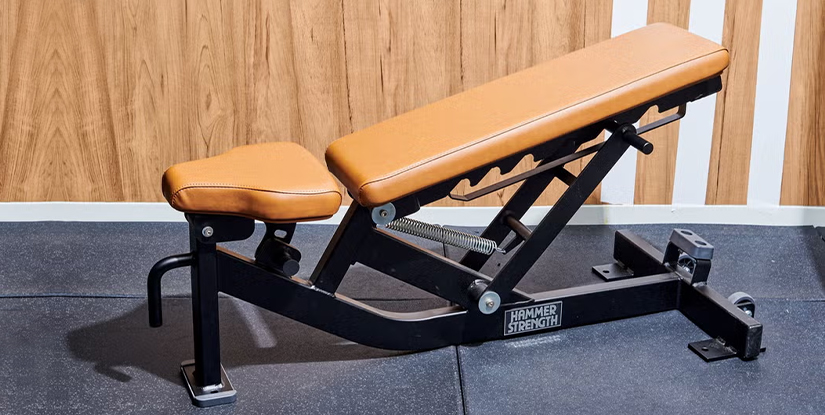
Selecting and maintaining high-performance strength training equipment is a cornerstone of professional facility management. Within the landscape of weight training, the Commercial Gym Adjustable Bench serves as a high-utilization asset that directly impacts both user safety and operational longevity. Unlike residential-grade versions, commercial units must withstand constant mechanical adjustments and heavy load cycles without compromising structural integrity. A failure to prioritize specific technical attributes during procurement or neglecting routine inspections can lead to catastrophic mechanical failure, resulting in liability issues and increased replacement costs.
Fundamental Selection Criteria for High-Traffic Strength Training
Before investing in a new fleet of training equipment, facility managers must look beyond aesthetics to understand the underlying mechanical architecture. A common mistake is selecting a bench based solely on price, which often results in purchasing equipment with inferior steel gauges or low-quality adjustment mechanisms. The ability of a bench to transition between angles smoothly and securely is what defines its commercial viability.
Structural Integrity and Steel Gauge Specifications
The durability of a bench is largely determined by the thickness of the steel used in its frame. For a professional environment, the steel gauge must be sufficient to prevent bending under eccentric loading. Operators should verify the weight capacity and the frame thickness through technical spec sheets. A heavy-duty frame prevents the 'sway' often seen in lower-quality models when a user shifts weight during a set.
Adjustment Mechanism Precision and Reliability
The mechanism that allows for the change in incline and decline angles is a frequent point of failure. There are two primary types of adjustments encountered in the industry: pop-pin systems and ladder-style notches. Each has distinct advantages and failure modes that an operator must weigh during the selection process.
| Mechanism Type | Operational Advantage | Common Failure Mode | Verification Method |
|---|---|---|---|
| Pop-Pin (Selectorized) | Rapid, single-handed adjustment; highly intuitive. | Pin shearing or spring tension loss over time. | Ensure the pin seats fully and the spring provides positive resistance. |
| Ladder-Style (Notched) | Extremely robust; less moving parts to break. | Notches can become clogged with debris or oxidation. | Check for smooth sliding and clear visual alignment of notches. |
Selecting the appropriate mechanism ensures that the transition between exercises is seamless, maintaining the flow of the training session. Once the mechanism type is decided, the next critical factor is the quality of the upholstery and its resistance to environmental wear.
Upholstery Durability and Maintenance of Contact Surfaces
The contact surfaces of a Commercial Gym Adjustable Bench are subject to intense friction, sweat, and cleaning chemical exposure. If the upholstery is not properly specified, it will crack and peel within months, creating an unhygienic environment and an unprofessional appearance for the facility.
Material Selection: Vinyl vs. High-Density Foam
High-quality commercial benches use a combination of high-density foam and heavy-duty vinyl. The foam must offer sufficient support to prevent 'bottoming out' during heavy lifts, while the vinyl must be resistant to tearing and sweat absorption. The thickness of the foam (often measured in inches) is a key indicator of the bench's long-term comfort and support capabilities.
Mitigating Surface Degradation and Hygiene Risks
A common failure in facility maintenance is the use of overly harsh chemical cleaners that strip the oils from vinyl surfaces, causing them to become brittle. To prevent this, operators should follow a standardized cleaning protocol. If the surface begins to show micro-cracks, it is an early sign that the material is reaching its end of life and requires replacement to prevent user injury from jagged edges.
- Problem: Cracking vinyl surfaces.
- Cause: Excessive use of alcohol-based cleaners or UV exposure.
- Fix: Use pH-neutral, non-abrasive gym upholstery cleaners.
- Verification: Inspect surfaces weekly for discoloration or texture changes.
Maintaining the surface integrity is vital for both hygiene and the visual quality of the gym. However, even the best upholstery cannot compensate for a failing internal frame or loose hardware, which requires a separate inspection cadence.
Related reading:
Routine Mechanical Inspection and Hardware Torque Verification
The physical stability of the bench depends on a network of bolts, pins, and welds. Over time, the vibration from heavy weight drops and the repetitive motion of adjusting angles can cause fasteners to loosen. An uninspected bench is a liability that can lead to sudden structural shifts during a lift.
Establishing an Inspection Cadence
Facility managers should implement a tiered inspection system. A visual inspection can be performed daily by staff, but a deep mechanical check should be conducted on a monthly or quarterly basis. This ensures that hidden issues, such as slow-developing weld fractures or gradual bolt loosening, are identified before they cause an accident.
The Importance of Bolt Torque Standards
When hardware becomes loose, it is often due to a lack of proper initial torque or the failure to re-tighten after a period of heavy use. A loose bolt does not just cause a noise; it creates a pivot point that can shear the bolt head under lateral stress. Operators should utilize a torque wrench to ensure all structural bolts meet the manufacturer's recommended Newton-meter (Nm) specifications.
| Inspection Point | Target State | Red Flag (Action Required) |
|---|---|---|
| Structural Bolts | Tight and immobile | Visible gap between bolt head and frame; movement under load. |
| Adjustment Pins | Full engagement | Pin is bent, missing, or doesn't seat completely. |
| Welds | Continuous and smooth | Surface cracks, rust, or separation at the joint. |
By strictly adhering to these torque and inspection standards, a facility can significantly extend the lifecycle of its assets. This preventative approach transitions from physical maintenance to the broader operational consideration of layout and ergonomics.
Related reading:
Commercial Gym Equipment- China Factory,Supplier,Manufacturer
Ergonomic Optimization and Facility Layout Considerations
A high-quality Commercial Gym Adjustable Bench is only as useful as the space around it allows. In a crowded commercial setting, the footprint of the bench and the range of motion required for various exercises must be accounted for to prevent collisions and optimize throughput.
Calculating the Operational Footprint
When planning a gym floor, do not simply measure the dimensions of the bench itself. You must account for the 'extended footprint'—the total area occupied when the bench is in its most extreme incline or decline position. Furthermore, space must be allocated for the user's limbs (e.g., the reach of a dumbbell press) to ensure a safe distance from nearby racks or other users.
Weight Distribution and Floor Load Constraints
A heavy-duty adjustable bench, especially when loaded with a barbell and plates, exerts significant point loads on the flooring. If the bench is placed on an insufficiently supported surface, it can lead to floor unevenness or even structural damage to the subfloor over time. Operators should consider the combination of bench weight and maximum user load when calculating total floor pressure.
- Implementation Tip: Leave a minimum of 3 feet of clearance on all sides of the bench during the planning phase.
- Decision Factor: Use high-density rubber flooring to absorb vibration and distribute load more effectively.
- Common Mistake: Overcrowding benches in a way that prevents safe movement during high-angle exercises.
Effective layout planning ensures that the equipment can be utilized to its full potential without creating bottlenecks or safety hazards. This leads to the final consideration: optimizing the user experience through advanced bench features.
Related reading:
Advanced Features and User Experience Enhancements
Modern commercial facilities often differentiate themselves by providing equipment that offers superior user comfort and versatility. Beyond standard incline/decline functions, advanced Commercial Gym Adjustable Benches may include specialized features that cater to professional athletes and high-end fitness enthusiasts.
Anatomic Support and Comfort Parameters
A critical distinction in high-end models is the presence of contouring or specialized padding. While basic benches use flat padding, advanced models may feature anatomical contouring to support the natural curvature of the spine during various lifting angles. This reduces localized pressure points and improves long-term user performance.
Versatility and Specialized Functionality}
Different training modalities require different bench configurations. Some facilities may require benches with specialized foot rollers for decline work, or high-density padding designed specifically for lateral stability during unilateral training. Choosing a bench that offers these modular or specialized capabilities can significantly increase the utility of the training area.
| Feature Type | Primary Benefit | Operational Consideration |
|---|---|---|
| Contoured Padding | Improved spinal alignment | May require more specific cleaning routines for crevices. |
| Foot Rollers/Restraints | Stability during decline work | Increases the 'operational footprint' of the bench. |
| Multi-Angle Versatility | Expanded exercise library | Requires more frequent inspection of adjustment pins. |
As facilities evolve, the ability to maintain, optimize, and upgrade these core pieces of equipment remains the ultimate goal of the professional operator, ensuring a safe and high-performing training environment.