
Choosing Commercial Strength Training Equipment for Long-Term Use
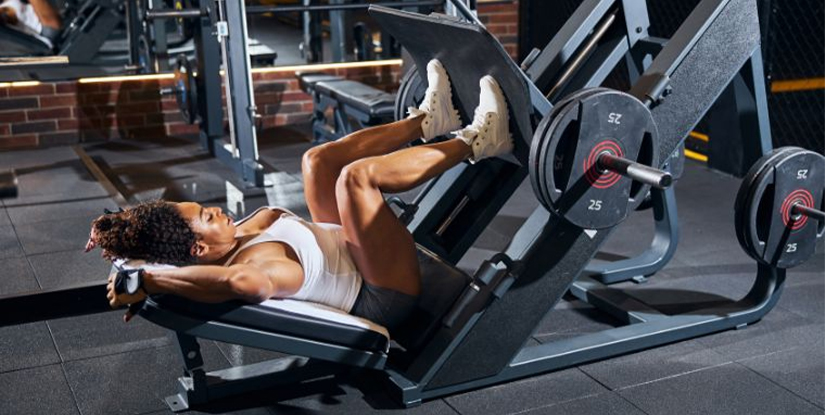
Material Integrity and Structural Durability Analysis
The most significant risk in high-traffic fitness environments is the premature structural failure of primary load-bearing components. When operators select equipment based solely on aesthetic appeal or initial price points, they often overlook the metallurgical requirements necessary for 24/7 heavy usage. A common failure mode involves the microscopic fatigue of steel frames under repetitive, high-impact loading, which eventually leads to weld fractures or frame warping.
The Impact of Steel Gauge and Wall Thickness
To ensure long-term viability, professional buyers must verify the gauge of the steel used in chassis construction. A thinner gauge steel may resist surface deformation but will succumb to structural fatigue under high-torque or high-impact movements. For instance, a selectorized machine intended for heavy resistance should ideally utilize a steel wall thickness that can withstand high-cycle stress without losing geometric stability.
| Component Type | Critical Material Metric | Failure Indicator | Verification Method |
|---|---|---|---|
| Main Chassis Frame | Steel Gauge/Wall Thickness | Visible frame bowing or weld cracking | Digital calipers for thickness check |
| Bearing Assemblies | Ball Bearing Quality (Sealed/Open) | Increased friction or erratic movement | Manual rotation smoothness test |
| Upholstery/Padding | Density (High-Density Foam) | Permanent indentation or surface cracking | Physical pressure-recovery test |
| Cable Systems | Tensile Strength & Coating | Fraying or sheath discoloration | Visual inspection for strand exposure |
By prioritizing these fundamental material specifications, an organization shifts its procurement strategy from a cost-per-unit model to a cost-per-year-of-service model. Understanding these physical properties provides the baseline necessary to evaluate the more complex mechanical systems that follow.
Mechanical System Tolerances and Precision Engineering
Building upon the foundation of structural steel, the internal mechanical systems determine the fluidity and safety of the user experience. Even a robust frame becomes a liability if the internal components—such as pulleys, cables, and weight stacks—are not engineered to high tolerance standards. The primary pain point for facility managers is the "jerky" movement often found in lower-tier machines, which is caused by poor alignment or substandard bearing surfaces.
Mitigating Friction and Irregularities in Motion
A smooth resistance profile is essential for both user safety and machine longevity. When pulleys or guide rods are misaligned, they create lateral friction that accelerates wear on both the cable and the sheath. This is not merely an annoyance; it is a precursor to cable breakage, which can lead to severe user injury. Operators should look for machines that utilize high-grade bushings or sealed ball bearings to minimize the impact of dust and sweat on the internal mechanics.
- Failure Mode: Cable fraying due to poor pulley alignment.
- The Cause: Plastic pulleys with low-tolerance centers or misaligned guide rods.
- The Fix: Regular alignment checks and the use of high-precision steel pulleys.
- Verification: A smooth, continuous weight lift without momentary speed changes.
Ensuring mechanical precision prevents the cascading maintenance cycles that occur when one worn part damages another. This mechanical stability leads directly into the necessity of selecting high-quality upholstery and contact points that can withstand the environmental stressors of a gym.
Upholstery and Ergonomic Longevity in High-Impact Environments
The mechanical strength of a machine is often undermined by the rapid deterioration of its contact points. While a steel frame might last twenty years, a low-quality seat or handle can fail within twelve months of heavy commercial use. This rapid degradation is usually caused by poor foam density or inadequate surface coatings that react poorly to human sweat and cleaning chemical exposure.
Evaluating Foam Density and Surface Resilience
When choosing commercial strength training equipment for long-term use, the density of the upholstery foam is a critical technical specification. High-density, closed-cell foam is the industry standard because it recovers its shape almost immediately after compression. In contrast, low-density foam undergoes permanent deformation, creating uncomfortable and potentially unsafe contact points that can cause users to adjust their posture mid-set.
Decision Criteria: A professional buyer should request the density rating of the foam and the type of vinyl or polyurethane covering. The covering must be resistant to both human perspiration and the pH levels of standard commercial gym cleaners. If the material shows any signs of bubbling or brittory after just a few weeks of use, it is a clear indicator of sub-standard manufacturing.
Selecting durable contact points ensures that the ergonomic integrity of the machine remains constant throughout its lifecycle, protecting both the user's biomechanics and the facility's aesthetic standards. This durability is the next logical step in managing a machine's long-term lifecycle through maintenance.
Preventative Maintenance and Maintenance Lifecycle Management
A well-chosen piece of equipment requires more than just periodic cleaning; it requires a structured preventative maintenance schedule to remain operational. The common mistake among facility operators is treating maintenance as a reactive measure—only fixing a machine once it breaks. This approach drastically increases the Total Cost of Ownership (TCO) and reduces the machine's effective lifespan.
Implementing a Proactive Maintenance Protocol
A professional maintenance routine should be broken down into three distinct tiers: daily visual inspections, weekly mechanical checks, and quarterly deep-system servicing. By identifying minor issues like a loosening bolt or a slight cable fray early, operators can avoid the massive expense of replacing entire modules.
| Maintenance Tier | Action Items | Frequency | Owner/Role |
|---|---|---|---|
| Daily Visual | Check for visible loose parts, torn upholstery, or loose bolts. | Every Shift | Floor Staff |
| Weekly Mechanical | Lubricate guide rods and check cable tension/sheath integrity. | Once Per Week | Maintenance Lead |
| Quarterly Deep-Service | Full bolt torque check, bearing inspection, and deep component cleaning. | Every 90 Days | Professional Technician |
Regular adherence to these protocols prevents the degradation of the high-quality materials and mechanical systems previously discussed. Without this level of oversight, even the highest quality equipment will eventually succumb to the rigors of continuous operation.
Operational Layout and Load Distribution for Equipment Safety
Even the most durable equipment can fail if it is installed incorrectly or placed in an environment that does not respect its operational requirements. The structural integrity of a machine is inextricably linked to the surface it rests upon. Improper load distribution can lead to uneven settling, which tilts the machine and puts undue stress on one side of the frame.
Calculating Floor Loading and Spatial Clearances
When planning a gym layout, operators must consider the static and dynamic loads that strength training equipment places on the floor. For example, a heavy plate-loaded squat rack exerts a significantly higher dynamic load when a user is moving weight than a standard selectorized machine. If the floor is not rated for this concentration of weight, the resulting unevenness can cause the machine to wobble, leading to accelerated wear on the joints and bolts.
- Failure Mode: Frame tilting due to uneven floor settling.
- The Cause: Placing heavy equipment on high-traffic flooring without a level sub-floor.
- The Fix: Use of high-density rubber flooring to distribute load and ensure a level surface.
- Verification: Use of a spirit level on the machine's main frame during installation.
By ensuring the physical environment supports the machine, you preserve the mechanical precision and structural longevity achieved during the procurement phase. This brings us to the critical final step of evaluating return on investment through the lens of total cost.
Analyzing Total Cost of Ownership and Long-Term ROI
The final stage in choosing commercial strength training equipment for long-term use is moving beyond the sticker price to understand the Total Cost of Ownership (TCO). A low-cost machine that requires frequent replacement and high maintenance costs is often much more expensive over a five-year period than a premium-priced machine that requires minimal upkeep. This is the core of calculating a true Return on Investment (ROI) for a fitness facility.
Comparing Low-CapEx vs. High-CapEx Procurement Strategies
A low-CapEx (Capital Expenditure) approach often results in high OpEx (Operating Expenditure). While the initial purchase is easier on the budget, the constant need for replacement parts, specialized technician visits, and lost revenue from down-time creates a massive financial drain. Conversely, a high-CapEx strategy focuses on durability and high-spec components that minimize long-term costs.
Decision Framework: When comparing two pieces of equipment, evaluate them based on their projected service life, the availability of replacement parts, and the estimated annual maintenance cost. A machine that lasts 10 years with minimal intervention is almost always a superior financial choice compared to a machine that lasts 3 years with high maintenance needs.
Digital Integration and Smart Equipment Monitoring
In the modern era of fitness management, a final consideration for long-term use is how much the equipment integrates with digital ecosystems. As gyms move toward automated tracking, the value of "smart" strength equipment increases. Equipment that features built-in sensors or connectivity can provide real-time data on usage patterns and mechanical strain, acting as a digital early-warning system for maintenance.
The Role of IoT in Lifecycle Management
Integrated technology allows for predictive rather than reactive maintenance. For instance, a machine equipped with an accelerometer can detect subtle changes in vibration that indicate a bearing is beginning to fail long before a human operator would notice a change in the user experience. This technological layer adds another dimension to the durability of the facility's assets.
- Benefit 1: Automated usage tracking to optimize maintenance schedules.
- Benefit 2: Improved user engagement through data-driven progress tracking.
- Common Pitfall: Purchasing "smart" equipment without ensuring the software ecosystem is scalable and future-proof.
Whether you choose traditional mechanical excellence or modern digitally-integrated systems, the goal remains the same: maximizing the uptime and durability of your investment. By synthesizing material science, mechanical precision, and strategic financial planning, you ensure your facility remains a premier destination for years to come.