
Bulk Ordering and Shipping for Kettlebells from China: A Strategic Procurement Guide
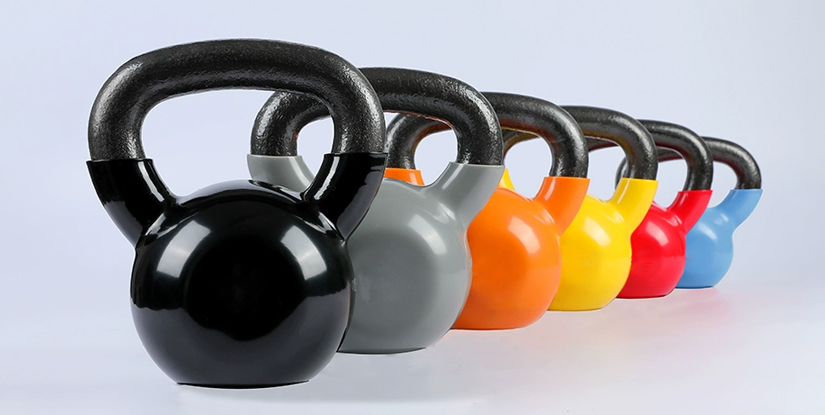
Procuring heavy fitness equipment at scale requires more than a simple transaction; it demands a rigorous understanding of supply chain physics and quality control. When managing bulk ordering and shipping for kettlebells from China, professional buyers often face the daunting reality of mismatched weight specifications, surface finish inconsistencies, and unexpected logistical surcharges. These issues are rarely the result of a single error but are instead caused by fragmented communication between procurement teams and manufacturing facilities. By establishing a structured verification framework, importers can mitigate these risks and ensure that every unit delivered meets strict commercial standards. This guide serves as a technical roadmap for navigating these complexities, focusing on the transition from initial specification to final delivery.
Mitigating Weight Discrepancy and Material Imbalance
The most frequent failure mode in high-volume kettlebell procurement is the deviation from declared weight. In a manufacturing environment, small errors in casting volume or material density can lead to significant weight variances, which may impact your brand's reputation and regulatory compliance. Such discrepancies are typically caused by imprecise casting molds or a lack of standardized weighing protocols during the production phase.
To prevent these issues, buyers must define acceptable tolerance ranges before the production run begins. A standard commercial-grade kettlebell should ideally maintain a weight tolerance of within 1% to 3%, depending on whether the product is cast iron or competition-grade steel. Relying solely on a supplier's verbal assurance is a high-risk strategy; instead, implement a pre-shipment inspection protocol that involves weighing a random sample of at least 5% of the total order. If a single batch shows a deviation higher than the agreed-upon threshold, the entire lot should be subject to a 100% weigh-in verification.
| Material Type | Typical Weight Variance | Recommended Inspection Method | Risk Factor |
|---|---|---|---|
| Cast Iron (Standard) | ±3% to 5% | Digital Scale Verification (Sample-based) | Moderate: High variance affects shipping costs |
| Competition Steel | ±1% or less | Certified Precision Scale (Total Batch) | High: Inaccurate weight ruins professional standing |
| Vinyl/Neoprene Coated | ±5% | External Dimension vs. Weight Ratio | Low: Surface thickness can mask internal weight shifts |
Establishing these parameters early ensures that your inventory remains consistent and reliable. Once the physical integrity of the individual units is secured, the focus must shift toward the external finish and surface durability.
Standardizing Surface Finishes and Coating Durability
While weight consistency is the foundation of a quality kettlebell, the surface finish dictates the product's longevity and user experience. A common problem reported by fitness facility operators is premature chipping or peeling of paint and powder coatings. This is often caused by improper surface preparation—specifically, failing to remove residual oils or oxidation from the iron before the coating process. When the bond between the metal and the coating is weak, the product becomes unusable after only a few months of high-intensity use.
To verify the quality of a finish, buyers should request technical specifications for the coating process, such as the use of electrostatic powder coating. A robust testing protocol involves the 'Adhesion Test' or 'Scratch Test' on a sample unit. A professional buyer should look for a finish that remains intact even after a controlled impact or a vigorous scrub with a high-pH cleaning solution. If the coating flakes easily under a fingernail or a standard industrial scraper, the supplier's curing process is likely insufficient.
Common Surface Defects to Monitor
- Micro-pitting: Small holes in the cast surface that can eventually lead to rust if not properly coated.
- Uneven Texture: Variations in the handle smoothness that can cause discomfort during high-repetition training.
- Coating Delamination: Large patches where the paint has separated from the substrate, usually a sign of poor degreasing.
A consistent surface finish is not merely an aesthetic choice; it is a safeguard against oxidation and long-term structural degradation. With the product's physical quality confirmed, the next critical hurdle is the complexity of global logistics.
Explore the complete technical specifications:
Optimizing Container Loading and Weight Distribution
Shipping heavy, dense objects like kettlebells presents a unique logistical challenge: maximizing volume without exceeding container weight limits. A significant mistake made during the planning phase of bulk ordering and shipping for kettlebells from China is failing to account for the high density-to-volume ratio of the product. This often results in 'dead space' within the container or, more critically, exceeding the maximum payload of the shipping vessel or the inland trucking capacity.
To optimize your shipping ROI, you must work with a logistics provider to calculate the 'Cargo Density Factor.' Because kettlebells do not stack easily due to their irregular shapes, the loading pattern is as important as the total weight. Using specialized steel racks or heavy-duty wooden pallets can stabilize the load, but these also consume space. You must decide whether to prioritize quantity (fitting more units per container) or stability (using more protective dunnage and pallets).
Logistics Comparison: LCL vs. FCL for Heavy Equipment
| Method | Best Use Case | Primary Risk | Cost Implication |
|---|---|---|---|
| LCL (Less than Container Load) | Small test orders or niche weight sets | Higher risk of damage from other cargo | Expensive for heavy/dense products |
| FCL (Full Container Load) | High-volume inventory replenishment | Strict weight limits/payload limits | Most cost-effective for high-density items |
Properly planning the loading architecture prevents damage during transit and ensures that you are not paying for 'air' in your shipping costs. After the loading plan is finalized, the procurement professional must turn their attention toward the legal and financial safeguards of the transaction.
Explore the complete technical specifications:
Managing Procurement Documentation and Compliance
A seamless transition from the factory floor to your warehouse depends on the accuracy of the documentation. Many importers face costly delays at the port of entry due to discrepancies between the physical goods and the commercial invoice or packing list. These errors are frequently caused by a lack of synchronization between the factory's production logs and the exporter's documentation team. For example, if the weight on the Bill of Lading differs significantly from the weight declared on the customs entry, it can trigger a mandatory inspection and significant storage fees.
To mitigate this, implement a 'Document Pre-Check' phase. Before the shipment leaves the factory, require the supplier to send digital copies of the Packing List, Commercial Invoice, and Certificate of Origin. Cross-reference these documents against your original Purchase Order (PO). Specifically, ensure that the weight per unit and the total gross weight match exactly across all three documents. A mismatch in the description of the material (e.g., 'Cast Iron' vs. 'Steel') can also lead to incorrect tariff classifications and unexpected duties.
Essential Documentation Checklist
- Commercial Invoice: Must detail exact quantities, weights, and unit prices.
- Packing List: Must show the specific packaging configuration (e.g., number of boxes per pallet).
- Bill of Lading (B/L): Must accurately reflect the gross weight and container number.
- Certificate of Origin: Necessary for qualifying for reduced tariff rates under specific trade agreements.
Ensuring these documents are flawless is the final step in the pre-shipping phase. However, the oversight process does not end when the container is loaded; it continues through the final inspection upon arrival.
Explore the complete technical specifications:
Post-Arrival Inspection and Quality Assurance Protocols
The final phase of a successful procurement cycle is the verification of the goods upon arrival at your facility. Even with perfect documentation and pre-shipment inspections, the rigors of ocean freight can cause damage. The most common problem encountered at this stage is 'In-Transit Deformation,' where heavy stacking leads to crushed boxes or structural damage to the handles of the kettlebells. This is often a result of inadequate internal packaging or poor palletization during the loading phase.
Upon arrival, do not immediately move the stock into your inventory. Instead, perform a structured 'Arrival Audit.' This process should include a visual inspection of the outer packaging for signs of moisture or impact, followed by a random sampling of the actual product. Use a checklist to verify that the weight, finish, and handle integrity of the sampled units align with your initial specification standards. If a significant percentage of the order is damaged, you must have a documented process for filing a claim against the shipping insurance or the supplier.
Operational Checklist for Arrival
- Step 1: Exterior Check: Inspect all pallets and cartons for water damage, punctures, or broken seals.
- Step 2: Density Verification: Weigh 3 random units from the shipment to ensure they meet the ±3% tolerance.
- Step 3: Surface Audit: Check for chips, rust, or peeling paint on 10 units across different weight classes.
- Step 4: Structural Test: Verify the handle integrity by applying a controlled load or visual inspection for weld cracks.
By following this multi-layered approach—from weight verification and surface testing to logistics optimization and rigorous documentation—you transform a high-risk import into a predictable, high-ROI business operation. Success in bulk ordering and shipping for kettlebells from China is ultimately a result of meticulous planning and a refusal to accept verbal assurances in place of empirical data.
Vendor Selection and Factory Auditing Standards
Beyond the physical product, the reliability of your procurement depends on the quality of your vendor selection. When sourcing for bulk ordering and shipping for kettlebells from China, it is a mistake to rely solely on online profiles or third-party certificates without independent verification. A common failure mode is selecting a trading company that acts as a manufacturer but lacks direct control over the casting and coating processes, leading to inconsistent quality during scale-up.
To ensure long-term stability, implement a tiered vendor evaluation system. Instead of choosing a single source, maintain a primary and a secondary supplier to mitigate the risk of production halts. When evaluating a potential facility, prioritize those with specialized heavy-duty casting equipment and automated coating lines, as these reduce human error in weight and surface consistency. A robust supplier should be willing to provide video evidence of the production line and real-time weighing of samples during the production run.
| Audit Metric | Standard Requirement | Red Flag |
|---|---|---|
| Equipment Age | Modern casting and cooling systems | Manual/obsolete casting without automation |
| QA Protocol | Documented weight and finish testing | No recorded inspection logs for batches |
| Communication | Detailed technical specification replies | Vague verbal assurances of quality |
Developing these vetting standards ensures that you are not just buying a product, but securing a reliable supply chain partner. Once the vendor is vetted and the product is moving through the logistics stages, your final focus should be on the long-term maintenance of the stock.
Long-term Inventory Management and Storage Optimization
The procurement cycle does not conclude at the warehouse door; the high density and material composition of kettlebells require specific storage protocols to prevent degradation. A common mistake in inventory management is failing to account for the corrosive potential of metal when stored in environments with fluctuating humidity. Even high-quality coatings can succumb to oxidation if the storage conditions are not strictly controlled.
To preserve your investment, implement a climate-controlled or moisture-monitored storage strategy. If you are storing cast iron products, ensure that the facility has adequate ventilation to prevent moisture buildup. Furthermore, the physical arrangement of the inventory is crucial. Because of the extreme weight of these items, they should never be stacked in high, unstable columns. Instead, use heavy-duty industrial racking systems designed for high-density loads. This prevents the crushing of lower-tier packaging and ensures the structural safety of the warehouse staff.
- Humidity Control: Maintain relative humidity below 50% to prevent surface rust.
- Stacking Height: Limit stacking height based on the crush strength of the outer cartons.
- Inventory Rotation: Implement a FIFO (First-In, First-Out) system to ensure older stock is moved and inspected regularly.
By mastering these final stages of storage and vendor management, you close the loop on a professional procurement process. The goal is a seamless cycle of ordering, shipping, and receiving that maintains the highest levels of quality and efficiency.