
Building Member Loyalty with Strength Training Fitness Equipment
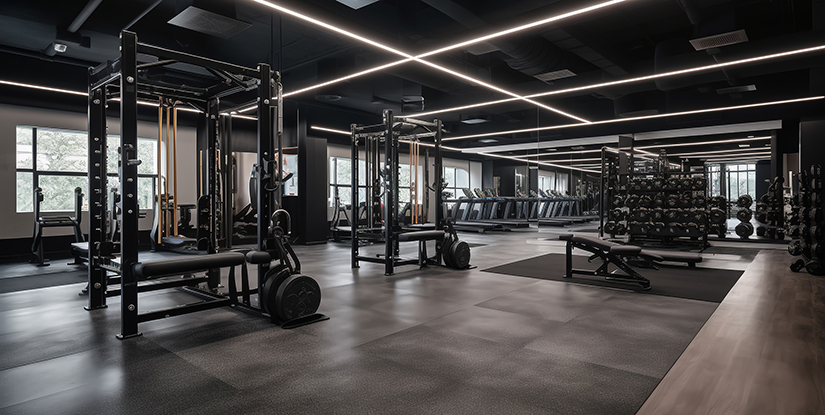
The Equipment Quality Misconception in Member Retention
A common misconception among facility operators is that member loyalty is driven primarily by high-tech digital interfaces or trendy class schedules. While these features attract attention, long-term retention—the core of building member loyalty with strength training fitness equipment—is actually rooted in the fundamental reliability and ergonomic quality of the heavy lifting assets. When a member reaches for a barbell or a resistance machine, they are seeking a predictable, high-performance experience. A single instance of a sticking weight stack or a rusted barbell sleeve can erode years of trust in a single session.
The technical root of this issue is often a neglected maintenance cycle or the procurement of equipment with low-tolerance mechanical components. To prevent these friction points, operators must view strength equipment not just as static assets, but as precision mechanical systems that require specific oversight. Understanding the mechanical thresholds of your equipment is the first step toward ensuring a premium user experience that keeps members returning. This technical foundation leads directly into the critical need for rigorous material selection during the initial procurement phase.
Material Selection and Durability Standards for High-Traffic Strength Zones
Transitioning from the concept of reliability to physical implementation, the longevity of a strength area depends heavily on the metallurgical and polymer standards of the gear. Many operators realize too late that lower-grade steel or substandard upholstery leads to rapid depreciation and member dissatisfaction. High-quality strength training fitness equipment relies on specific material properties to withstand thousands of cycles of high-impact loading.
Steel Gauge and Coating Specifications
When evaluating strength machines and racks, the gauge of the steel tubing is a primary indicator of structural integrity. Commercial-grade equipment typically utilizes heavy-duty steel with thicker walls to prevent bending under extreme weight loads. Furthermore, the coating applied to this steel—whether powder coating or chrome plating—determines how well the machine resists oxidation and user-induced wear.
| Component Type | Standard Material Requirement | Operational Impact |
|---|---|---|
| Frame Tubing | High-gauge carbon steel (minimum 11-gauge) | Prevents structural deflection under heavy load |
| Weight Stack Rails | Polished stainless steel or high-density linear rails | Reduces friction and provides smooth movement |
| Upholstery | High-density PU leather with antimicrobial properties | Resists cracking and maintains hygiene standards |
| Bearing Systems | Sealed ball bearings | Ensures consistent resistance throughout the range of motion |
Beyond the physical structure, the way these materials interact during a workout determines the perceived value of the facility. A machine that feels 'jittery' or 'rough' suggests poor construction, regardless of the brand. By prioritizing these material specifications, operators can mitigate the risk of premature equipment failure. Once the correct hardware is in place, the focus must shift to the continuous monitoring of these mechanical components through structured inspection protocols.
Preventative Inspection Protocols for Strength Equipment Maintenance
Securing a high-quality installation is only half the battle; the long-term success of building member loyalty with strength training fitness equipment relies on the ability to maintain that quality through a rigorous inspection cadence. Many facility managers fall into the trap of 'reactive maintenance'—only fixing things once they break. This is a fundamental error that causes significant downtime and member frustration.
The Three-Tiered Inspection Framework
A professional operation should utilize a tiered inspection system to catch minor mechanical drifts before they become catastrophic failures. A robust framework includes daily visual sweeps, weekly functional tests, and monthly technical deep-dives.
- Tier 1: Daily Visual Audit: Check for loose bolts, visible fraying on cables, and obvious fluid leaks from hydraulic systems.
- Tier 2: Weekly Mechanical Test: Operate every resistance machine through its full range of motion to listen for grinding, clicking, or uneven resistance.
- Tier 3: Monthly Technical Calibration: Measure bolt torque levels, inspect cable tension, and lubricate all moving parts using the manufacturer-recommended lubricants.
A common failure mode in this stage is the oversight of cable tension. Over time, steel cables undergo micro-stretching, which can cause them to jump off the pulley wheels, creating a significant safety hazard. Operators must verify that all pulleys rotate freely and that cables are seated perfectly in their tracks. Regularity in these checks ensures that the equipment remains an asset rather than a liability. With a reliable maintenance schedule established, the next critical step is addressing the most frequent point of failure: the resistance mechanism itself.
Optimizing Resistance Smoothness and Mechanical Consistency
The smoothness of a resistance movement is a direct reflection of the mechanical precision of your strength training fitness equipment. Whether it is a selectorized machine or a free-weight system, any inconsistency in resistance can disrupt a member's training tempo and potentially cause injury. Inconsistent resistance is rarely a flaw in the weight itself, but rather a failure in the surrounding mechanical interface.
Common Causes of Resistance Irregularity
Understanding the mechanics of resistance allows operators to troubleshoot effectively. Most resistance issues stem from three specific areas: pulley friction, cable degradation, or weight stack misalignment.
| Symptom | Likely Cause | Technical Fix/Verification |
|---|---|---|
| Choppy/Jerky Movement | Dried or contaminated pulley bearings | Clean and re-lubricate with silicone-based lubricant |
| Weight 'Sticking' Points | Misaligned weight stack or bent guide rods | Inspect guide rod straightness and check stack alignment |
| Vibrating Resistance | Loose or frayed steel cables | Inspect cable sheath for wear; replace cable if fraying is found |
| Inconsistent Weight Feel | Poorly calibrated magnetic/air resistance | Recalibrate resistance settings according to technical manual |
Verification of these fixes requires a hands-on approach. A technician should observe a full repetition of the movement to ensure there are no 'dead spots' in the resistance curve. Ensuring this level of mechanical perfection directly supports the goal of building member loyalty, as it provides the high-end training experience members expect. This precision, however, must be matched by the operational environment, specifically regarding the layout and user-safety-centric design.
Optimizing Strength Zone Layout for Member Flow and Safety
Once the equipment is functioning perfectly, the way it is positioned within the facility determines the overall quality of the training environment. A poorly planned strength area can lead to congestion, which often leads to members feeling cramped or unsafe—both of which are detrimental to long-term retention. Effective layout design is a technical discipline that balances accessibility with safety-conscious spacing.
Design Principles for High-Performance Strength Areas
When designing or reconfiguring a strength zone, operators should prioritize the 'flow of movement' and the 'safety buffer zone.' A buffer zone is the minimum clearance required around a piece of equipment to account for the user's natural range of motion and the potential for falling weights.
- Dynamic Clearance: Always calculate the footprint of the machine plus the widest part of the human body during the most extreme part of the movement.
- Traffic Management: Separate heavy free-weight areas from selectorized machines to prevent collisions between aggressive lifters and general members.
- Access Pathways: Ensure there is at least a 3-foot clear path through all strength sections to allow for unhindered movement during high-traffic hours.
A frequent mistake is placing heavy-duty racks too close to high-traffic walkways or cardio machines. This creates a chaotic atmosphere and increases the risk of accidental injury. By treating the layout as a functional blueprint rather than just aesthetic arrangement, you create a professional environment that respects the user's training needs. This controlled environment leads to the final, crucial pillar of equipment management: safety compliance and risk mitigation.
Mitigating Liability Through Rigorous Safety Compliance
The ultimate expression of professional excellence in a gym is the absence of preventable accidents. While high-quality equipment is a prerequisite, safety is a dynamic state that must be constantly defended. Neglecting safety compliance is the quickest way to destroy the trust required for building member loyalty with strength training fitness equipment, as it places both the member and the facility at significant risk.
Critical Safety Checklists for Operators
To maintain a safe environment, operators should implement specific safety-focused workflows that go beyond basic machine maintenance. This involves inspecting the 'secondary' safety features that members often take for granted.
- Weight Pin Verification: Ensure all selectorized weight pins are robust and have clear, visible markings. A bent or thin pin can slip during a set, leading to a sudden drop in resistance.
- Safety Spotter Arms: For squat racks and benches, check the height and security of the spotter arms. They must be locked firmly into place and show no signs of structural bending.
- Floor Integrity: Inspect the area surrounding free-weight platforms. Rubber flooring must be flush with the ground to prevent tripping hazards, and weight plates should be kept in dedicated, organized racks.
Verification of safety compliance should involve a monthly 'stress test' where key components are checked under load. This isn't about breaking the equipment, but about ensuring that safety mechanisms like collars and pins function exactly as intended under heavy weight. A culture of safety starts with the physical reality of the equipment. Maintaining this rigor ensures that your facility remains a premium destination for serious lifters and casual enthusiasts alike.
The Strategic Link Between Technical Excellence and Long-Term ROI
Ultimately, the investment in high-grade strength training fitness equipment is not merely a capital expenditure; it is a long-term retention strategy. When a facility prioritizes mechanical perfection, material durability, and proactive safety protocols, it builds an invisible layer of trust with its members. This trust is what differentiates a high-end training destination from a standard local gym. By focusing on these technical nuances, operators can ensure that their facility remains a high-performance environment that drives both member satisfaction and sustained profitability.