
Maximizing Longevity and Safety of Your Adjustable Fid Bench
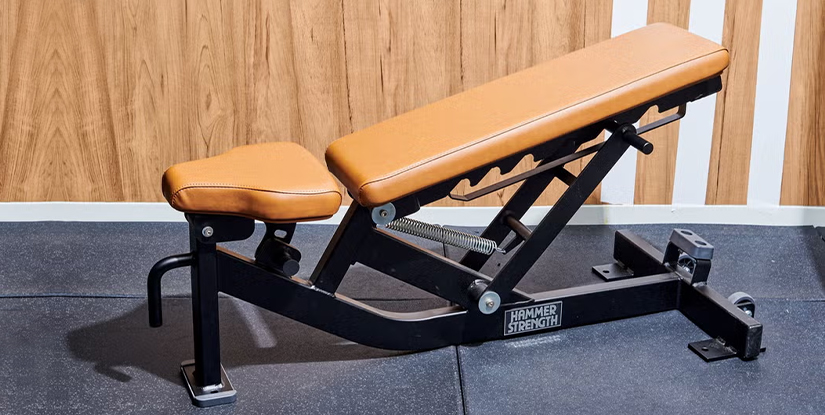
Identifying Mechanical Instability in Heavy-Duty Benches
In a high-traffic commercial fitness environment, the most frequent complaint from facility operators regarding an Adjustable Fid Bench is not the upholstery quality, but rather a perceived lack of stability during heavy compound movements. This instability typically manifests as lateral wobbling or a sudden tilt when transitioning between incline and flat positions. The primary cause is rarely the frame itself, but rather the incremental failure of the adjustment mechanisms—specifically the pins, ladders, or sliding tracks that manage weight distribution.
- Problem: Lateral sway during heavy pressing.
- Cause: Misalignment of the adjustment ladder or worn adjustment pins.
- Fix: Re-aligning the frame segments and replacing worn bushings.
- Verification: A side-to-side shake test under non-weighted conditions to ensure zero movement.
Understanding these failure modes is the first step in ensuring that your equipment remains a reliable asset rather than a liability. Once the root causes of instability are identified, we must focus on the specific mechanical components that dictate long-term durability.
Material Selection and Component Durability Standards
Effective procurement begins with understanding that not all adjustable components are created equal. For an Adjustable Fid Bench intended for professional use, the mechanical interface—where the backrest meets the seat or the base—must withstand high shear forces. A common mistake among buyers is selecting equipment based solely on frame thickness while ignoring the quality of the adjustment hardware.
Key Material Specifications for Commercial Grade Benches
When evaluating different models, technical buyers should look for specific material properties that ensure long-term structural integrity. The following table outlines the decision criteria for high-performance versus standard commercial-grade components.
| Component | Standard Commercial Grade | High-Performance Professional Grade |
|---|---|---|
| Adjustment Pin Material | Zinc-plated mild steel | Hardened stainless steel or high-tensile alloy |
| Upholstery Density | Standard high-density foam | Dual-layer multi-density resilient foam |
| Frame Gauge | 12-gauge steel | 11-gauge or thicker heavy-duty steel |
| Adjustment Mechanism | Manual pop-pin system | Reinforced ladder system with locking bolt technology |
Selecting a higher-tier specification reduces the frequency of maintenance interventions. However, even the highest-grade materials require periodic inspection to ensure the metal-on-metal interfaces remain within safety tolerances.
Maintaining Precision in Adjustment Mechanisms
The smooth transition between angles is a hallmark of a well-maintained bench, but even high-end models will develop 'slop' or play if the adjustment mechanism is neglected. This degradation often begins with the accumulation of fine dust and debris within the adjustment channels, which increases friction and leads to uneven loading.
The Role of Lubrication and Debris Management
To prevent premature wear, operators must implement a systematic cleaning and lubrication routine. A common failure occurs when operators use heavy grease on the adjustment rails; this actually attracts more dust, creating an abrasive paste that destroys the metal surfaces. Instead, a dry-film lubricant or a light, non-sticky oil is preferred.
- Action: Clear the adjustment tracks with compressed air every quarter.
- Implementation: Apply a thin layer of dry silicone lubricant to the sliding parts.
- Verification: The bench should transition through its full range of motion with minimal resistance and no grinding sounds.
Consistent care of these moving parts ensures that the precision of the angles remains consistent over years of heavy use. This leads directly into the critical task of periodic structural inspections.
Related reading:
Structural Integrity and Component Inspection Protocols
Mechanical precision is useless if the structural integrity of the frame is compromised. A regular inspection cadence is necessary to detect hairline fractures or bolt loosening before they become safety hazards. Operators should prioritize checking high-stress areas where the geometry of the Adjustable Fid Bench undergoes the most change.
The Critical Structural Inspection Checklist
Use the following parameters to evaluate the physical state of your equipment during your monthly facility walkthrough.
| Inspection Point | Frequency | What to Look For | Action if Failure Found |
|---|---|---|---|
| Welding Points | Monthly | Hairline cracks or rust around junctions | Mark for professional welding repair |
| Adjustment Bolts | Weekly | Loosened or missing hardware | Tighten to manufacturer torque specs |
| Upholstery Seams | Bi-weekly | Tears or separation from the foam | Replace upholstery or patch immediately |
| Feet and Levelers | Monthly | Uneven wear or missing end caps | Replace leveling feet to prevent wobbling |
Using this checklist ensures that minor issues are addressed before they require a full equipment replacement. This preventative approach is essential for maintaining a safe environment for high-intensity training.
Related reading:
Common Failure Modes and Troubleshooting Steps
Even with a rigorous maintenance schedule, certain failure modes are nearly inevitable in commercial settings. Identifying whether a problem is a result of wear-and-tear or improper usage is key to effective troubleshooting. For instance, a bench that feels 'unlevel' may not have a broken frame, but rather a failure in the leveling system or a shift in the floor load.
Scenario: The Creaking Adjustment Mechanism
A frequent issue is a persistent creaking sound during the transition from a flat to an incline position. This is often caused by a mismatch in the surface tension of the adjustment components. The Fix: First, check for debris in the channel. If the channel is clean, the issue is likely a lack of lubrication or a loose bolt within the mechanism. If the sound persists after lubrication, the bearing or bushing may be worn and requires replacement.
Scenario: Unstable Incline Positions
When the bench feels unstable specifically at high incline angles, the cause is usually a failure in the rear support or the angle-lock mechanism. The Fix: Verify that the adjustment ladder is fully seated in its designated notch. If it is seated correctly but still feels unstable, inspect the pivot bolt for excessive play. A loose pivot bolt is a primary cause of angle-related instability.
By understanding these scenarios, operators can resolve issues without needing to call in expensive third-party technicians for every minor adjustment.
Related reading:
Optimizing Facility Layout and Floor Load Management
Effective equipment management extends beyond the individual piece of gear; it involves how the equipment is utilized within the facility layout. An Adjustable Fid Bench performs best when it is placed on a stable, level surface that can handle the dynamic loads of heavy lifting.
Floor Load and Placement Considerations
A common mistake in gym design is neglecting the floor-load capacity beneath the bench. High-intensity training generates significant dynamic force, especially during heavy presses or when the bench is used for explosive movements. If the flooring is too soft or uneven, the bench's leveling feet will not provide a stable base, leading to premature wear on the frame and potential tipping risks.
- Implementation: Ensure the bench is placed on high-density rubber flooring with a minimum of 15mm thickness.
- Decision Criteria: If the facility has a concrete floor without padding, use a specialized rigid sub-floor to prevent the bench from 'rocking' on its feet.
- Verification: Use a spirit level on the bench surface once per month to ensure the floor hasn't settled unevenly.
Proper placement and floor preparation are just as important as the mechanical quality of the bench itself. With the operational layout optimized, the final focus remains on the long-term lifecycle of the equipment.
Related reading:
Environmental Factors Affecting Equipment Longevity
Beyond mechanical use, the ambient environment of your facility plays a massive role in the lifespan of an Adjustable Fid Bench. Humidity, temperature fluctuations, and even cleaning agents can degrade high-grade materials over time.
Managing Humidity and Corrosion Risks
In many commercial fitness centers, high humidity levels can lead to accelerated oxidation of the metal components, particularly if the protective coatings are scratched or damaged. This is especially true for the adjustment pins and the adjustment ladder mechanism.
- Risk: Oxidation on the adjustment ladder can cause the pins to stick, making the bench difficult to adjust.
- Prevention: Maintain an environment with controlled humidity and avoid using acidic or highly corrosive cleaning sprays directly on the metal frames.
- Action: If rust is detected on a small area, clean the surface immediately and apply a thin layer of protective lubricant to prevent spreading.
Addressing these environmental variables ensures that the structural integrity of your bench remains intact, even in challenging climates.
Related reading:
Maximizing Long-Term Lifecycle and ROI
The true value of high-quality commercial equipment is found in its lifecycle cost rather than its initial purchase price. A bench that is cheaper to acquire but requires replacement every two years is far more expensive than a premium model that lasts a decade. To maximize Return on Investment (ROI), facility managers must treat the Adjustable Fid Bench as a durable capital asset rather than a disposable consumable.
The Relationship Between Maintenance and Replacement Cycles
The following data demonstrates how structured maintenance impacts the total cost of ownership (TCO) for commercial facilities.
| Maintenance Level | Average Lifespan (Years) | Cost per Year (Maintenance + Replacement) |
|---|---|---|
| Minimal (Reactive Only) | 2 - 3 Years | High (High replacement frequency) |
| Standard (Monthly Checks) | 5 - 7 Years | Moderate (Balanced) |
| Proactive (Weekly + Deep Clean) | 8 - 10+ Years | Low (Minimal replacement, low labor) |
By investing in a proactive maintenance culture, you extend the usability of your equipment and ensure that your facility remains a premium destination for athletes. Reliability is the ultimate indicator of professional quality.