
Optimizing 15Kg Weight Plates Selection and Maintenance Guide
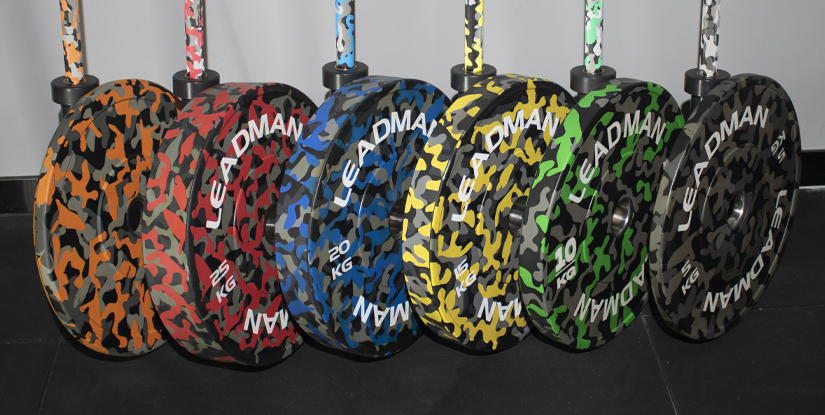
Addressing Imbalance and Dimensional Inconsistency in 15Kg Weight Plates
In high-traffic commercial fitness environments, facility managers frequently encounter a frustrating phenomenon: uneven barbell loading. When a lifter attempts a heavy compound movement, they may experience a subtle, rhythmic wobble that suggests one side of the bar is heavier than the other. This is rarely a result of the lifter's skill, but rather a failure in the manufacturing precision of the 15Kg weight plates being utilized. Unbalanced plates create dangerous torque shifts on the barbell sleeve, which can lead to wrist instability or even catastrophic plate slippage during high-intensity sets.
The root cause of this imbalance is typically found in the casting or molding process. In cheaper, non-standardized production runs, the density of the internal material can vary, or the diameter of the outer rim may deviate from the standard specification. If a 15Kg plate is slightly wider or more eccentric in its weight distribution, it will disrupt the center of gravity of the barbell. This lack of precision is a significant pain point for professional strength coaches who demand absolute symmetry for advanced training protocols.
Identifying Eccentric Weight Distribution
To verify if your current inventory is the source of the issue, operators should perform a simple center-of-mass check. Place a single plate on a flat, level surface and attempt to spin it. A high-quality plate should rotate with minimal wobble. If the plate bounces or exhibits a significant lateral oscillation, the internal mass distribution is flawed. Additionally, measuring the outer diameter of three different plates from the same batch can reveal the tolerance ranges you should expect from a professional-grade product.
Understanding these physical discrepancies is the first step in establishing a standard of quality, which leads directly into the technical requirements for material selection and durability.
Material Composition and Durability Standards for Commercial Use
Once the issue of physical balance is addressed, the next critical concern is the material longevity and the environmental impact on the plate's surface. Choosing the wrong material can lead to rapid degradation, surface oxidation, or even cracking under extreme temperature fluctuations. For commercial facilities, the decision usually narrows down to three primary categories: cast iron, rubber-encased, and urethane-coated options. Each offers a different trade-off between cost, impact resistance, and long-term maintenance requirements.
The mechanism of failure in lower-grade plates often involves the interface between the weight core and the protective coating. In many budget-friendly 15Kg weight plates, the rubber or plastic sleeve is merely a thin layer that can peel or crack when dropped or subjected to constant friction against a barbell sleeve. This exposes the iron core to moisture, leading to internal oxidation and a structural compromise that eventually manifests as surface flaking or weight loss through rust accumulation.
| Material Type | Primary Advantage | Typical Failure Mode | Ideal Environment |
|---|---|---|---|
| Cast Iron | Highest density and slim profile | Oxidation and surface rust | Traditional lifting platforms |
| Rubber-Encased | Reduced noise and impact vibration | Coating separation or peeling | General commercial gyms |
| Urethane-Coated | Extreme durability and chemical resistance | Higher initial capital expenditure | High-traffic pro facilities |
Selecting the correct material type based on your facility's specific usage patterns ensures that your investment maintains its integrity over several years of heavy use. Effective material selection must be paired with a rigorous inspection protocol to catch early signs of degradation.
Standardized Inspection Protocols for Facility Operators
A well-maintained facility relies on proactive, rather than reactive, maintenance. For operators managing large inventories of 15Kg weight plates, a standardized inspection cadence is essential to prevent equipment failure and ensure user safety. Relying on visual checks alone is insufficient; a professional-grade inspection requires a combination of tactile, visual, and measurement-based assessments.
Common mistakes in the inspection process include ignoring the internal diameter (the center hole) and the condition of the barbell sleeve interface. If the center hole of the plate has become slightly enlarged or deformed due to repeated heavy loading, the plate will not sit flush against the barbell. This creates a gap that allows the plate to rattle, causing unnecessary wear on both the plate and the barbell sleeve. Operators often overlook this small detail until the barbell starts to feel unstable during heavy lifts.
The Three-Point Inspection Checklist
- Visual Integrity: Check for visible cracks in the coating, discoloration indicating rust, or uneven edges.
- Dimensional Accuracy: Use a caliper to ensure the center hole diameter remains within the standard tolerance (typically +/- 1-2mm) for a smooth barbell fit.
- Weight Verification: Periodically weigh a sample of plates on a calibrated digital scale to ensure they have not lost significant mass due to environmental wear.
By adhering to this checklist, you transition from a reactive mode of fixing broken equipment to a proactive model of preventative maintenance. However, maintaining the physical structure of the plates is only one part of the equation; the environment in which they are stored also plays a decisive role.
Related reading:
Environmental Impact on Plate Longevity and Storage Best Practices
The durability of your equipment is heavily influenced by the ambient conditions of your training space. While 15Kg weight plates are robust by design, they are not immune to the effects of extreme humidity, temperature shifts, or chemical exposure. A failure to control the environment can lead to the premature aging of the materials discussed in previous sections, particularly for rubber and urethane-coated options.
For instance, in facilities with high humidity or those located in coastal areas, the moisture in the air can penetrate even the best coatings. This leads to the 'internal rust' problem, where the iron core begins to oxidize from the inside out. This is not just an aesthetic issue; the expanding rust can create internal pressure that splits the outer casing. Similarly, in outdoor or semi-outdoor training areas, UV exposure can lead to the hardening and cracking of rubber coatings, making the plates brittle and prone to chipping upon impact.
Optimizing the Storage Environment
To mitigate these risks, facility managers should implement controlled storage solutions. Instead of leaving plates on the floor or in open-air racks near entrances, utilize vertical storage racks that keep the plates off the ground and away from high-traffic drafts. If your facility experiences significant temperature swings, consider a climate-controlled storage area for your premium weight sets. Ensuring that the air is circulating through the storage racks can also prevent moisture buildup behind the plates.
- Avoid Floor Contact: Keep all plates on dedicated racks to prevent moisture absorption from concrete floors.
- Chemical Control: Ensure that cleaning agents used on the gym floor do not come into direct contact with the plate coatings, as certain solvents can degrade rubber and urethane.
Effective storage and environmental management protect the integrity of the plates, but they must be supplemented by regular mechanical checks of the loading hardware itself.
Related reading:
Verifying Barbell and Plate Interface Integrity
The interaction between your 15Kg weight plates and the barbell is where the most significant operational risks occur. Even if the plates themselves are in perfect condition, a poorly matched interface can lead to dangerous outcomes. The central problem is the 'play' or the amount of movement between the barbell sleeve and the plate's center hole. If this gap is too large, the weight distribution becomes erratic during explosive movements like cleans or snatches.
Failure to monitor this interface often results from using mismatched equipment—for example, using heavy-duty competition plates with a standard training barbell that has a thinner sleeve diameter. This mismatch causes the plates to slip and rattle, which can damage the barbell's bearings and lead to a loss of user confidence. In a professional setting, maintaining a consistent fit is vital for both safety and the high-performance outcomes your clients expect.
Determining Optimal Fit and Tolerance
To ensure a high-performance interface, operators should verify the compatibility of their plates and bars using the following parameters. A proper fit should be snug enough to prevent excessive rattling but loose enough to allow the plates to rotate freely on the sleeve. If you notice significant 'clunking' or a delay in the rotation of the weight, it is time to re-evaluate your equipment pairing.
| Problem Scenario | Likely Cause | Recommended Action |
|---|---|---|
| Excessive Rattling | Plate center hole is too large for the sleeve | Check plate/bar compatibility or replace worn plates |
| Slow Rotation | Plate is binding on the barbell sleeve | Check for bent sleeves or deformed plate centers |
| Uneven Loading Feel | Improperly seated plate or thickness variance | Verify plate thickness and weight distribution |
Regularly verifying this mechanical connection ensures that the training experience remains smooth and predictable. Once the mechanical fit is established, the focus shifts toward the long-term lifecycle management and ROI of the equipment.
Related reading:
Lifecycle Management and Maximizing Return on Investment
For any commercial gym, equipment is one of the largest capital expenditures. Therefore, managing the lifecycle of essential items like 15Kg weight plates is not just about maintenance—it is about maximizing the Return on Investment (ROI). A well-managed lifecycle involves moving from a 'replace when broken' mindset to a 'predictive replacement' strategy, which minimizes downtime and avoids sudden, high-cost purchasing requirements.
The mistake many operators make is waiting until a piece of equipment is visibly broken before taking action. By the time a 15Kg plate is cracked or significantly rusted, the damage has often spread to the surrounding inventory or has already compromised the safety of the facility. A predictive approach uses the data gathered from your regular inspection protocols to forecast when a certain batch of equipment will reach its end-of-life, allowing for much smoother budgetary planning.
Developing a Replacement Schedule
To implement a professional lifecycle strategy, categorize your equipment based on its usage intensity. High-use items, such as the 15Kg plates used in a general lifting area, will have a much shorter lifecycle than specialty plates kept in a controlled strength zone. Use the following framework to develop your procurement timeline:
- Tier 1 (High Impact): Replace every 3-5 years based on observed coating wear and diameter deviation.
- Tier 2 (Standard): Replace every 5-7 years depending on facility climate control and maintenance rigor.
- Tier 3 (Premium/Specialty): Long-term assets, monitor for subtle weight changes and bar-interface issues annually.
With a structured replacement schedule in place, your facility can maintain a high standard of excellence without the chaos of unplanned equipment failures. This level of operational maturity is the hallmark of a professional commercial fitness facility.
Related reading:
Summary of Best Practices for High-Performance Facilities
Managing a fleet of 15Kg weight plates requires a multi-faceted approach that blends physical inspection, environmental control, and mechanical verification. From the moment a plate is unboxed to the day it is retired from service, every stage of its life offers opportunities for either optimization or degradation. By addressing the root causes of weight imbalance, material failure, and environmental damage, facility managers can ensure a safe and durable training environment.
The key is to maintain a constant loop of feedback: use your inspections to inform your maintenance, use your maintenance to inform your storage, and use your storage to inform your long-term procurement strategy. When these elements work in harmony, the equipment becomes a reliable asset rather than a recurring liability.
Related reading:
Final Verification Checklist for Procurement Managers
Before making a final decision on a new shipment of weight plates, use this condensed checklist to verify that the products meet the rigorous demands of a professional facility. This ensures that the issues of imbalance and durability are addressed before the capital is even deployed.
- Weight Tolerance: Do the manufacturer specs for weight deviation fall within acceptable commercial ranges?
- Material Suitability: Is the coating designed for your specific facility climate and usage intensity?
- Interface Compatibility: Have you verified that the center hole diameter matches your existing barbell inventory?
- Batch Consistency: Can the supplier provide evidence of rigorous dimensional and mass-distribution testing?