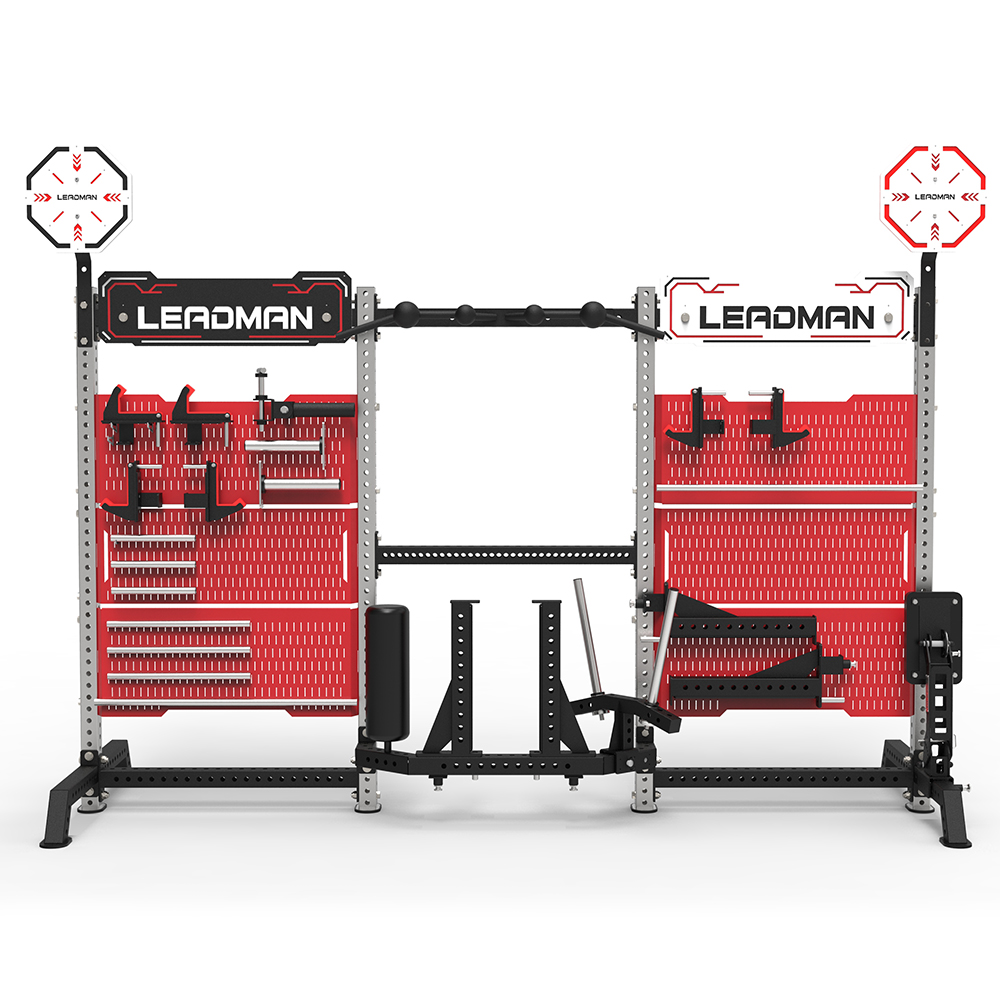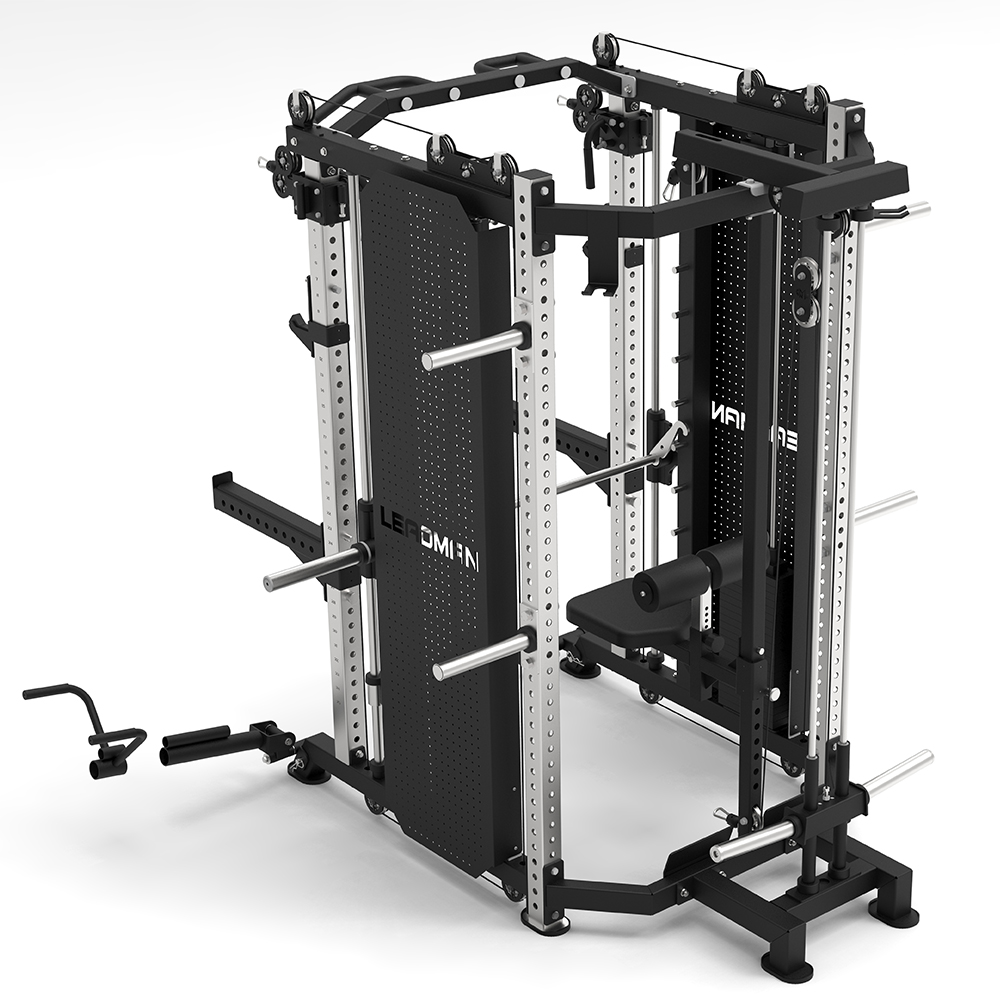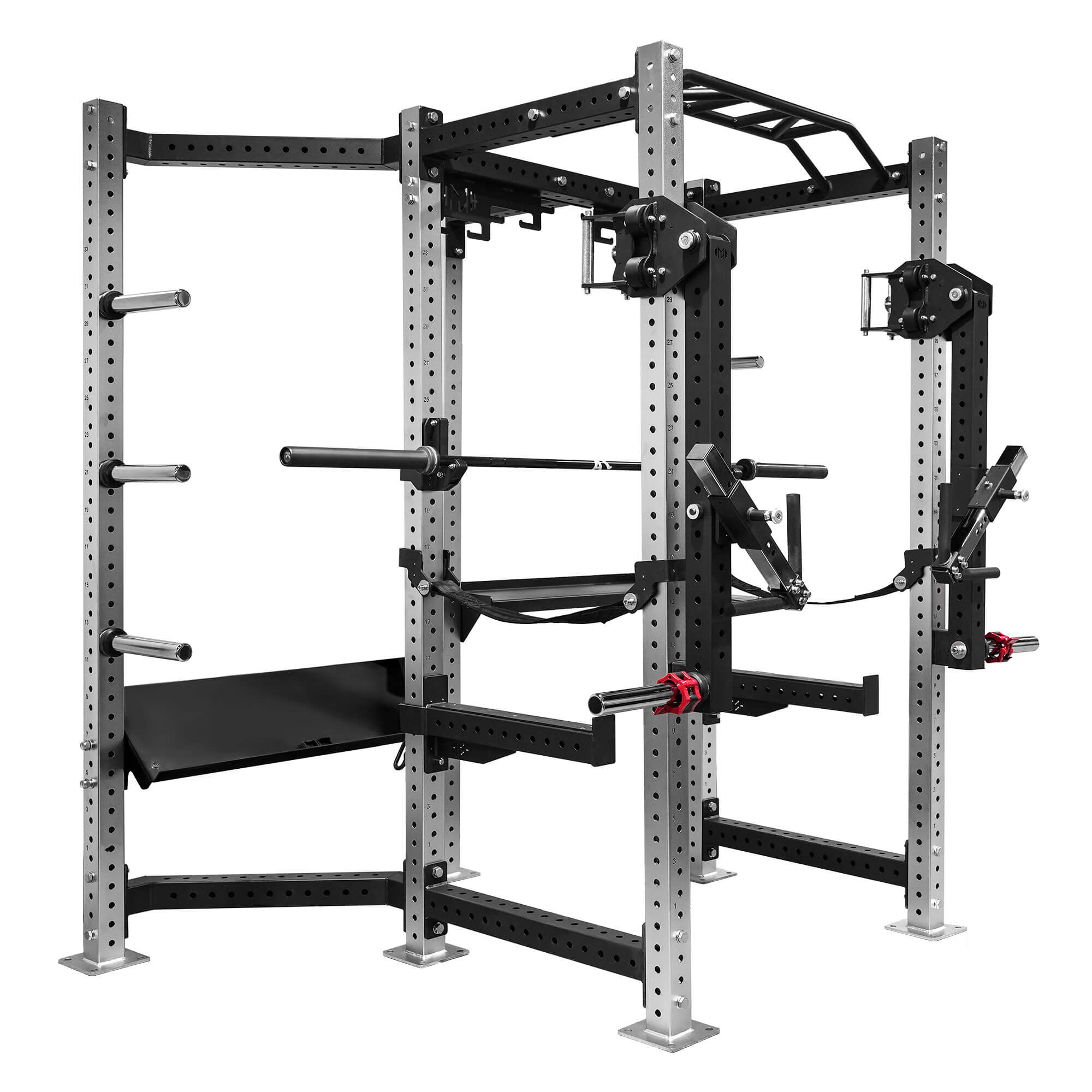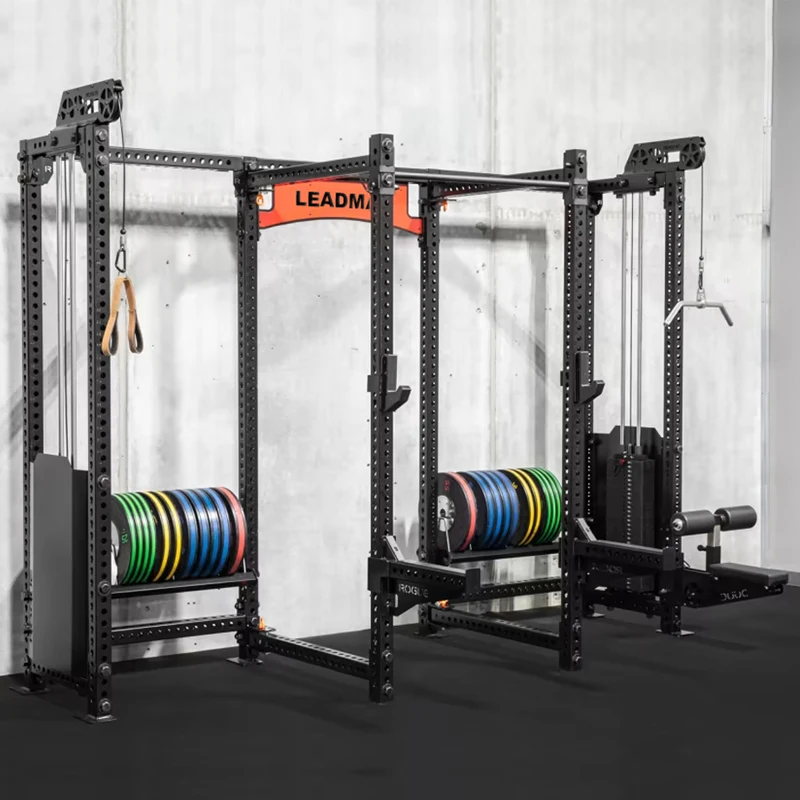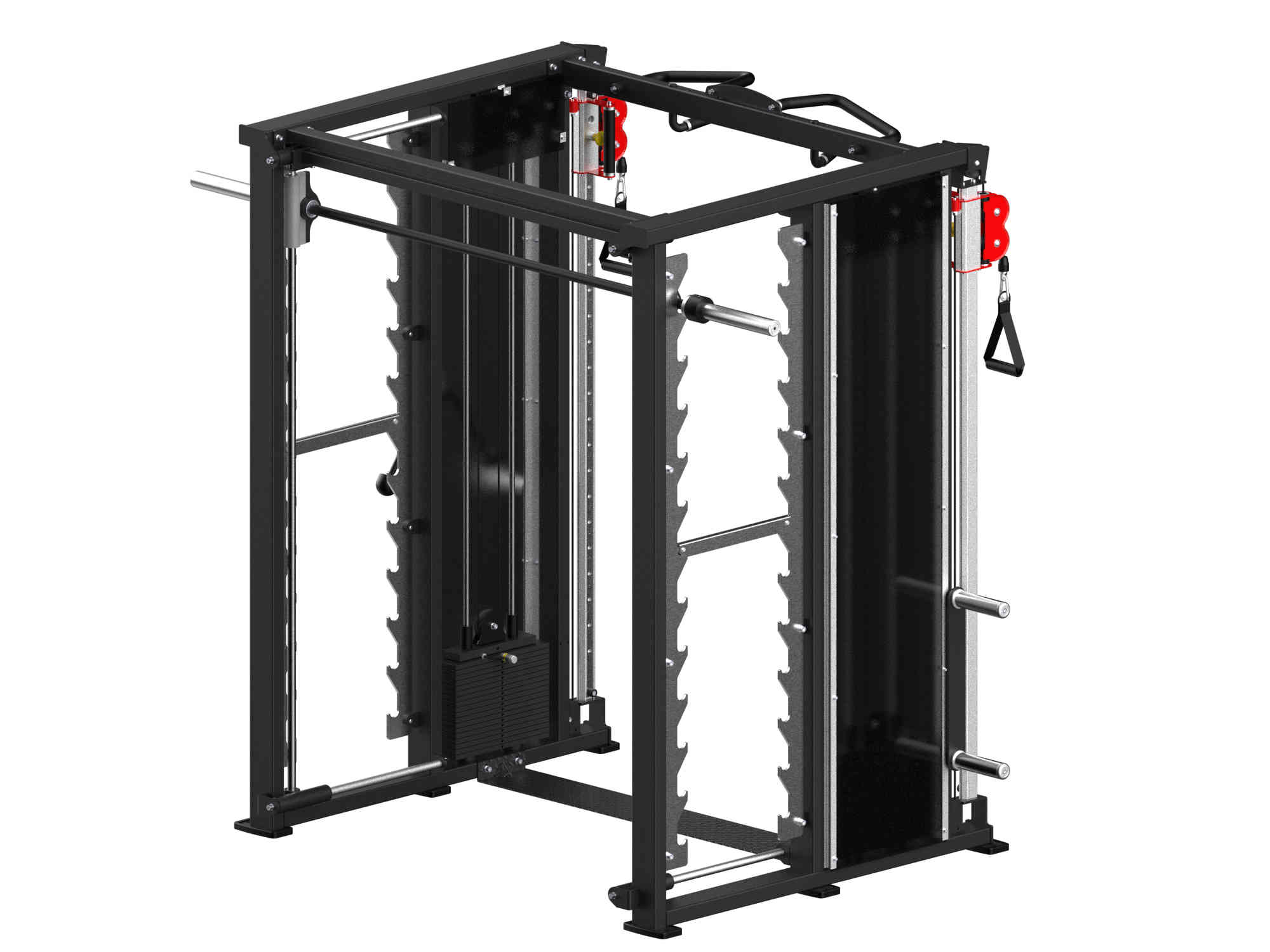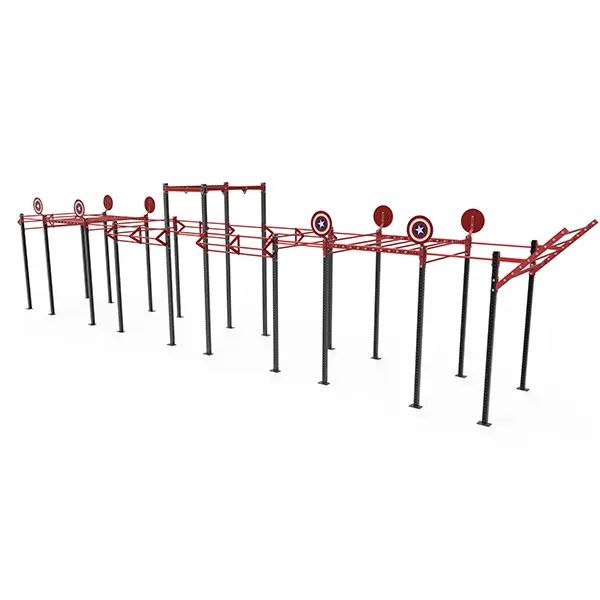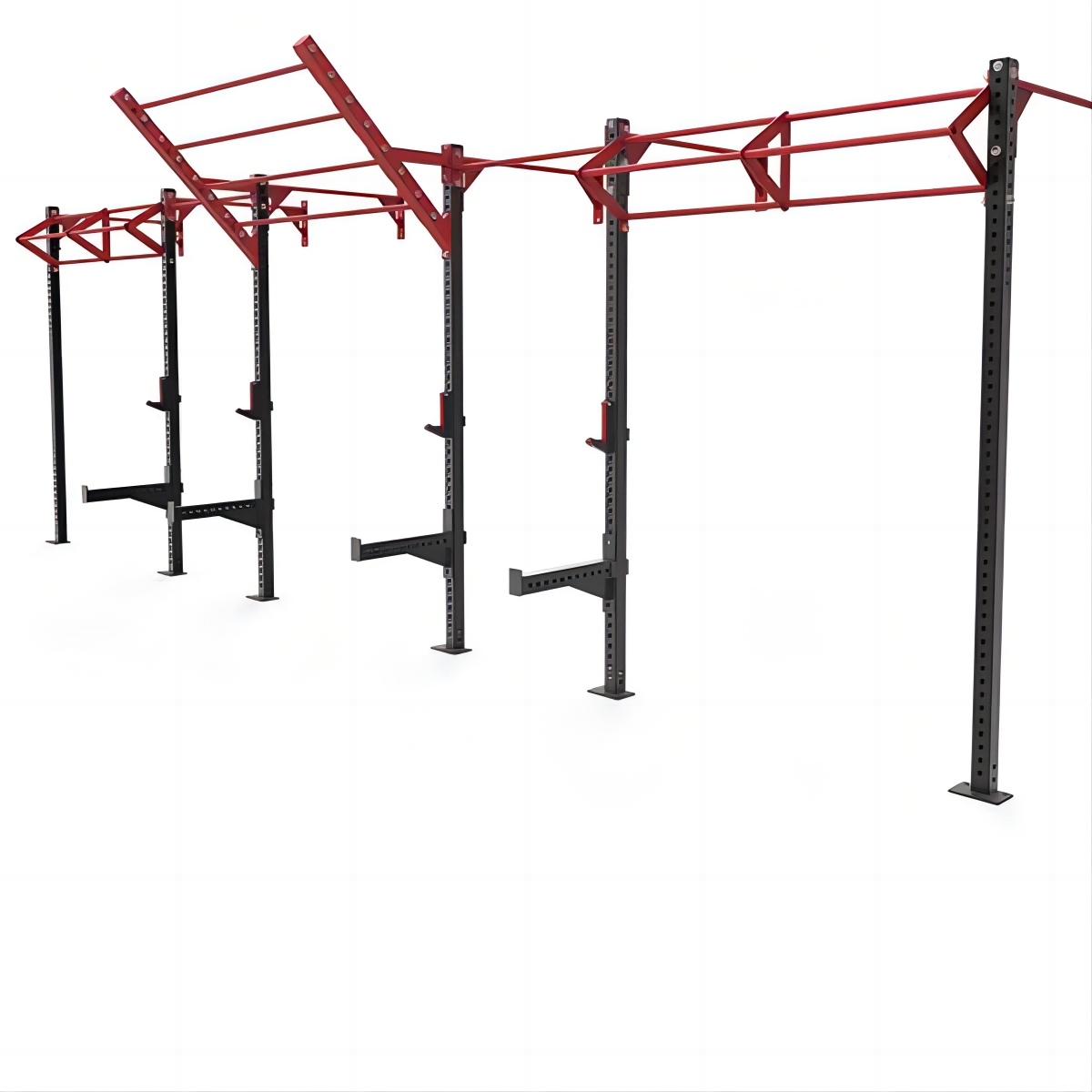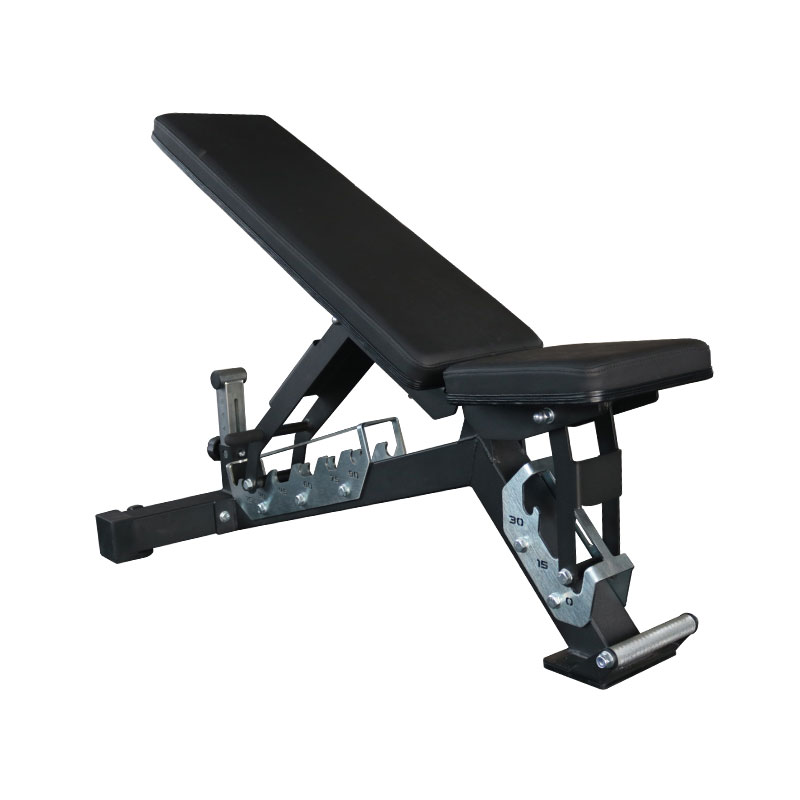
In high-traffic commercial fitness environments, the structural integrity of strength training equipment is non-negotiable. A heavy duty power rack serves as the cornerstone of a professional weightlifting area, requiring specific engineering standards to withstand constant high-volume usage and heavy load increments. Unlike residential-grade equipment, commercial power racks must meet rigorous standards for gauge thickness, weld strength, and stability.
Critical Engineering Specifications
When sourcing or specifying power racks for commercial facilities, procurement managers should focus on three primary technical pillars: material gauge, frame geometry, and component durability. Most professional-grade racks utilize 11-gauge or 7-gauge steel tubing to ensure maximum resistance to deformation under load. The cross-member design and base footprint must provide a high degree of lateral stability to prevent tipping or structural oscillation during explosive movements like heavy squats or overhead presses.
Key Functional Components
A versatile commercial power rack often integrates several high-performance elements to maximize utility per square foot:
Sourcing for Facility Longevity
Selecting the correct equipment involves more than just dimensions. It requires evaluating the total weight capacity and the mechanical tolerance of moving parts. High-tier commercial racks often feature laser-cut holes for precision adjustment and heavy-duty hardware that resists loosening over time. For facility designers, prioritizing racks with modular or bolt-down configurations ensures the equipment remains a permanent, stable fixture capable of supporting both competitive powerlifting and general strength conditioning for years of uninterrupted service.