Navigating the global landscape of gym equipment manufacturers requires a deep understanding of engineering precision, material science, and supply chain reliability. Whether sourcing for commercial fitness centers, hotel gyms, or boutique studios, the selection process must go beyond mere price comparison to evaluate technical competency and manufacturing scalability.
Core Manufacturing Competencies
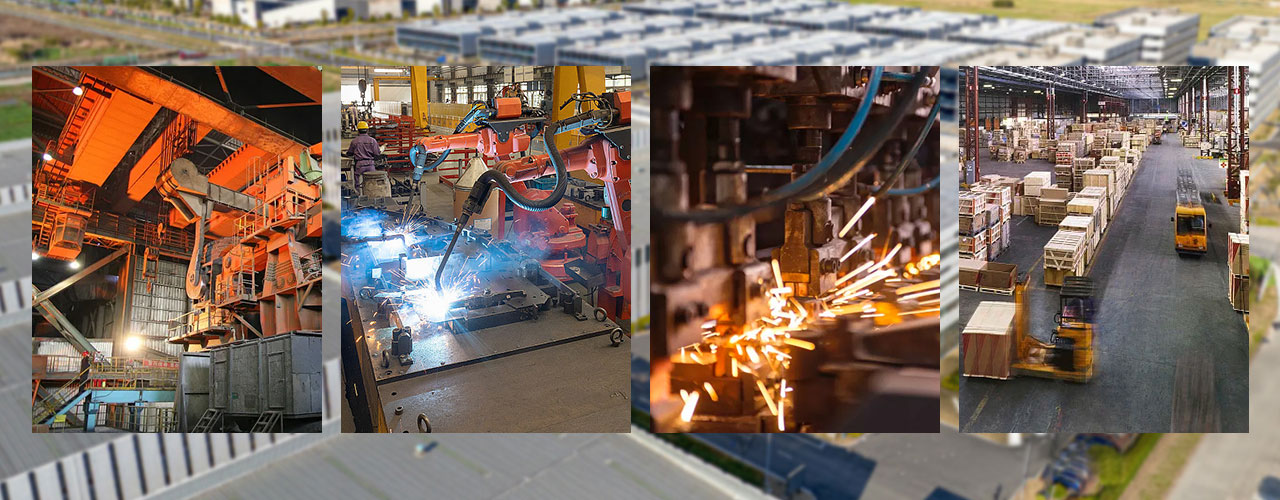
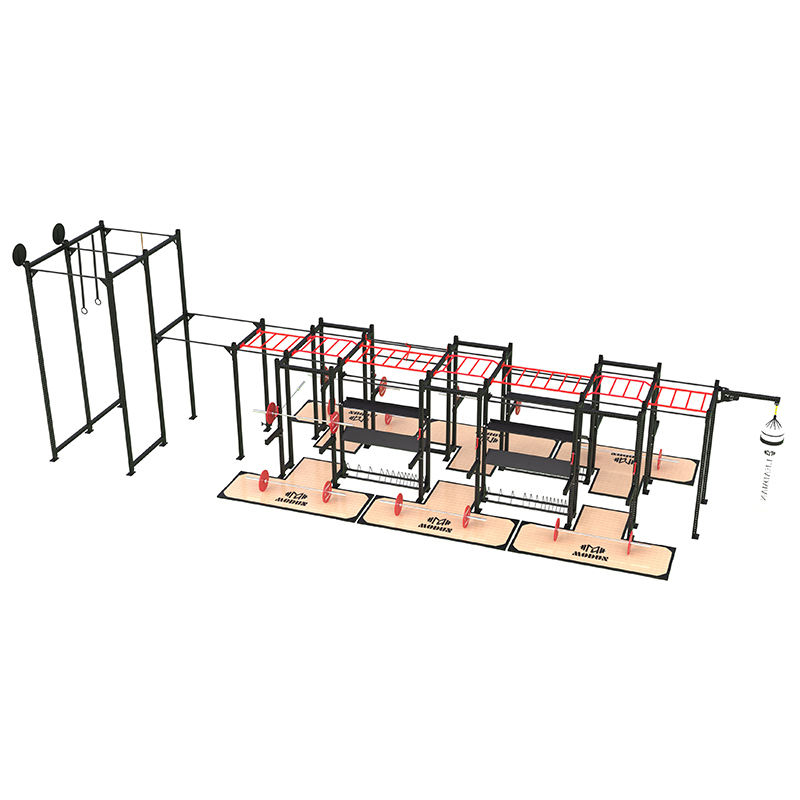
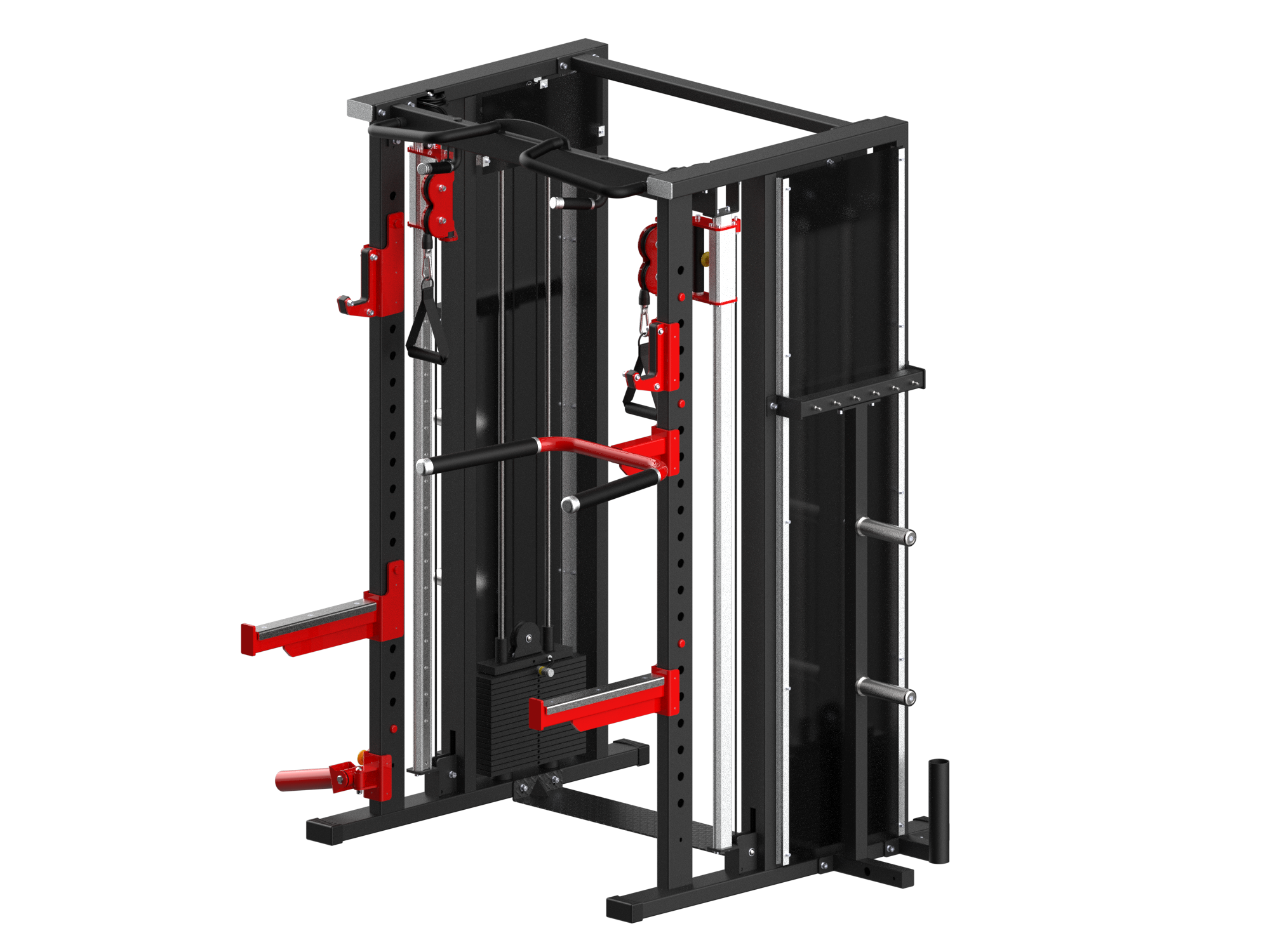
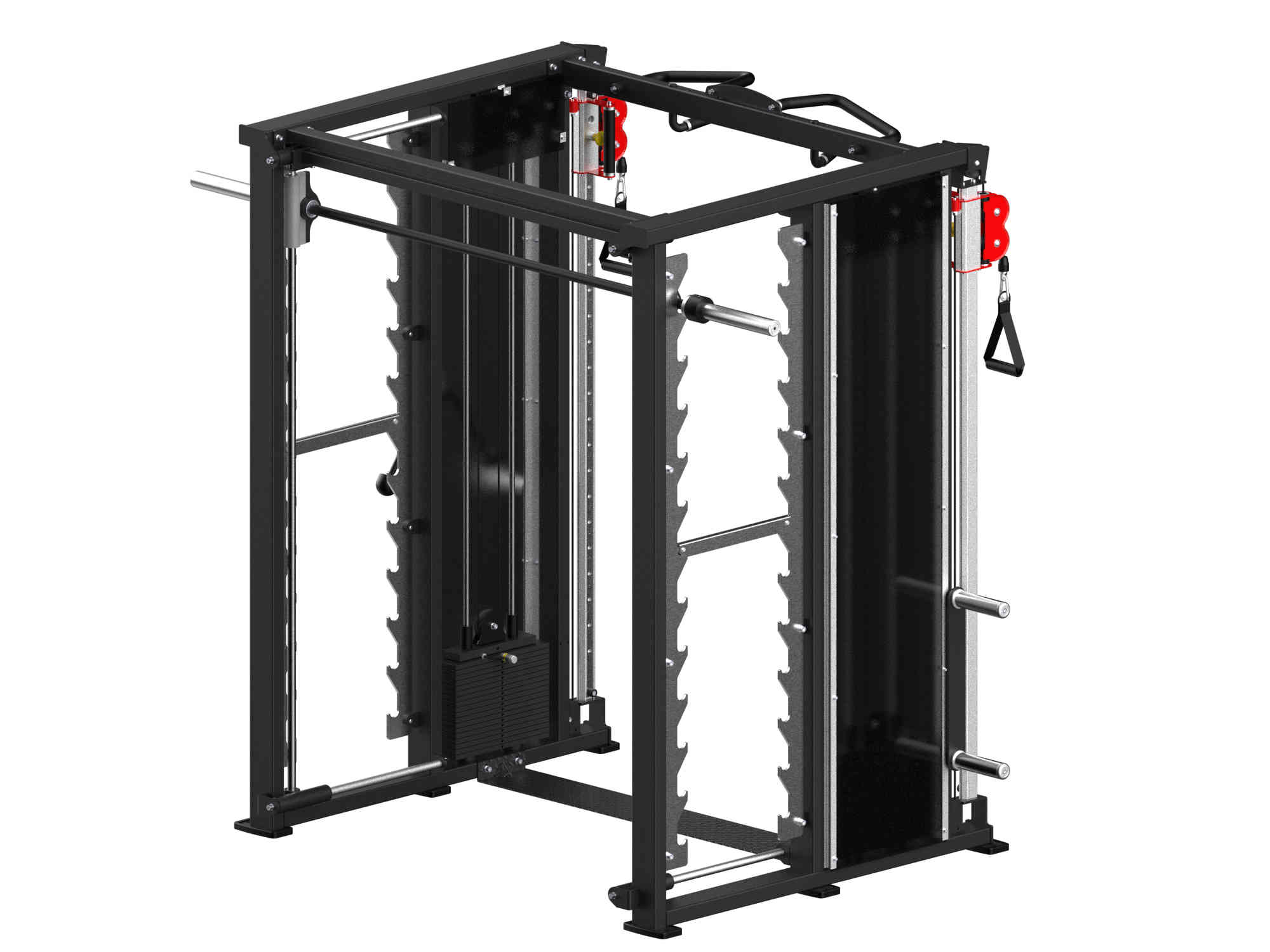
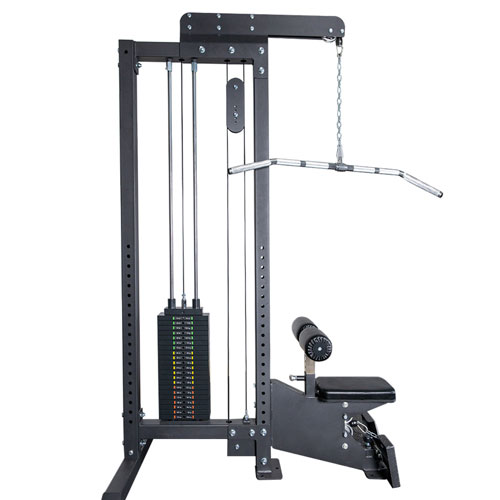
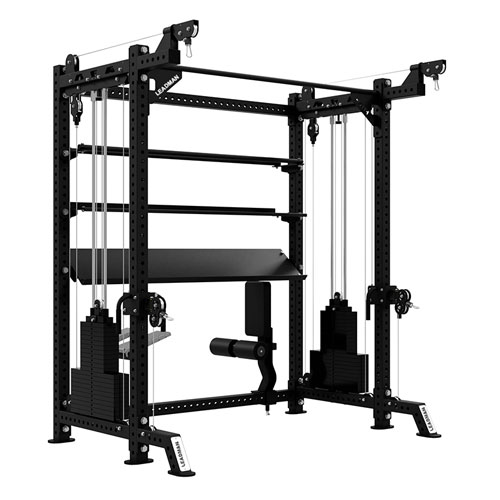
Top-tier manufacturers specialize in distinct production disciplines. Strength training equipment production focuses on high-gauge steel fabrication, precision welding, and heavy-duty load-bearing capacities. Conversely, cardio equipment manufacturing requires advanced expertise in electronic integration, motor longevity, and software compatibility. When auditing a facility, it is critical to verify their capability in both mechanical engineering and electronic control systems.
Key Selection Criteria for B2B Buyers
Professional buyers prioritize several technical benchmarks during the procurement phase:
Sourcing Strategies for Global Distribution
For distributors and large-scale gym operators, sourcing directly from a manufacturer offers significant advantages in cost control and product customization. A successful partnership relies on transparent communication regarding lead times, shipping logistics, and after-sales technical support. Effective procurement involves analyzing the manufacturer's production capacity to ensure they can handle large-scale orders without compromising on the structural tolerances or finish quality of the equipment.
Technological Evolution in Manufacturing
The modern fitness industry is increasingly driven by connectivity. Leading manufacturers are now integrating IoT-enabled components into strength and cardio machines. This shift necessitates manufacturers who can manage complex assembly lines that combine traditional metalwork with advanced digital components, ensuring seamless data transmission and user-interface stability.