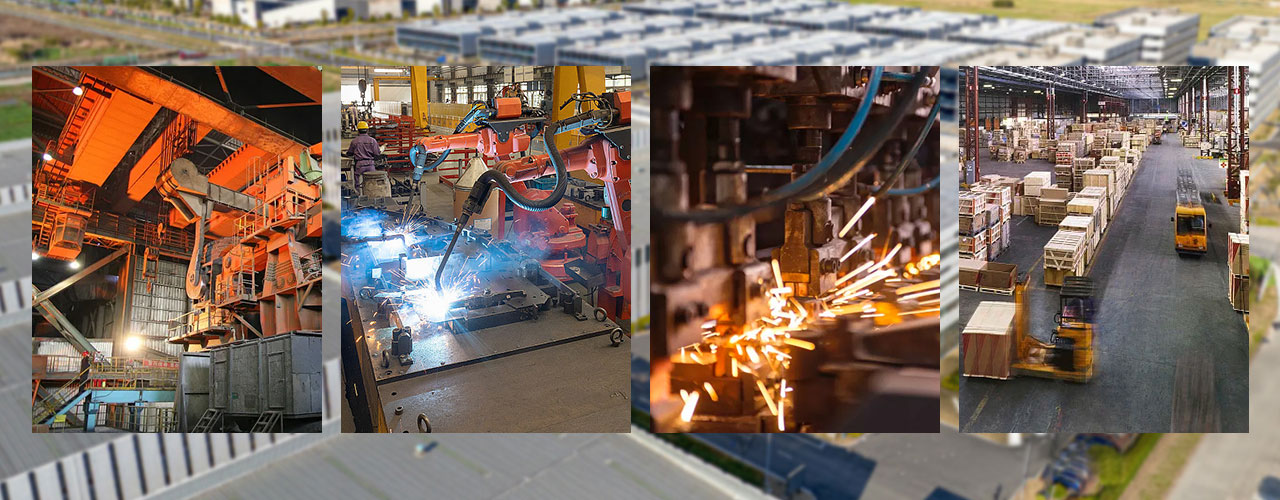
Navigating the global landscape of fitness product manufacturers requires a deep understanding of industrial standards, material integrity, and mechanical engineering precision. For procurement specialists, gym owners, and distributors, selecting a manufacturing partner is not merely about finding a vendor, but about identifying a facility capable of consistent production tolerances and long-term durability. Commercial-grade fitness equipment demands rigorous testing to withstand high-frequency use in public environments.
Core Competencies in Fitness Manufacturing
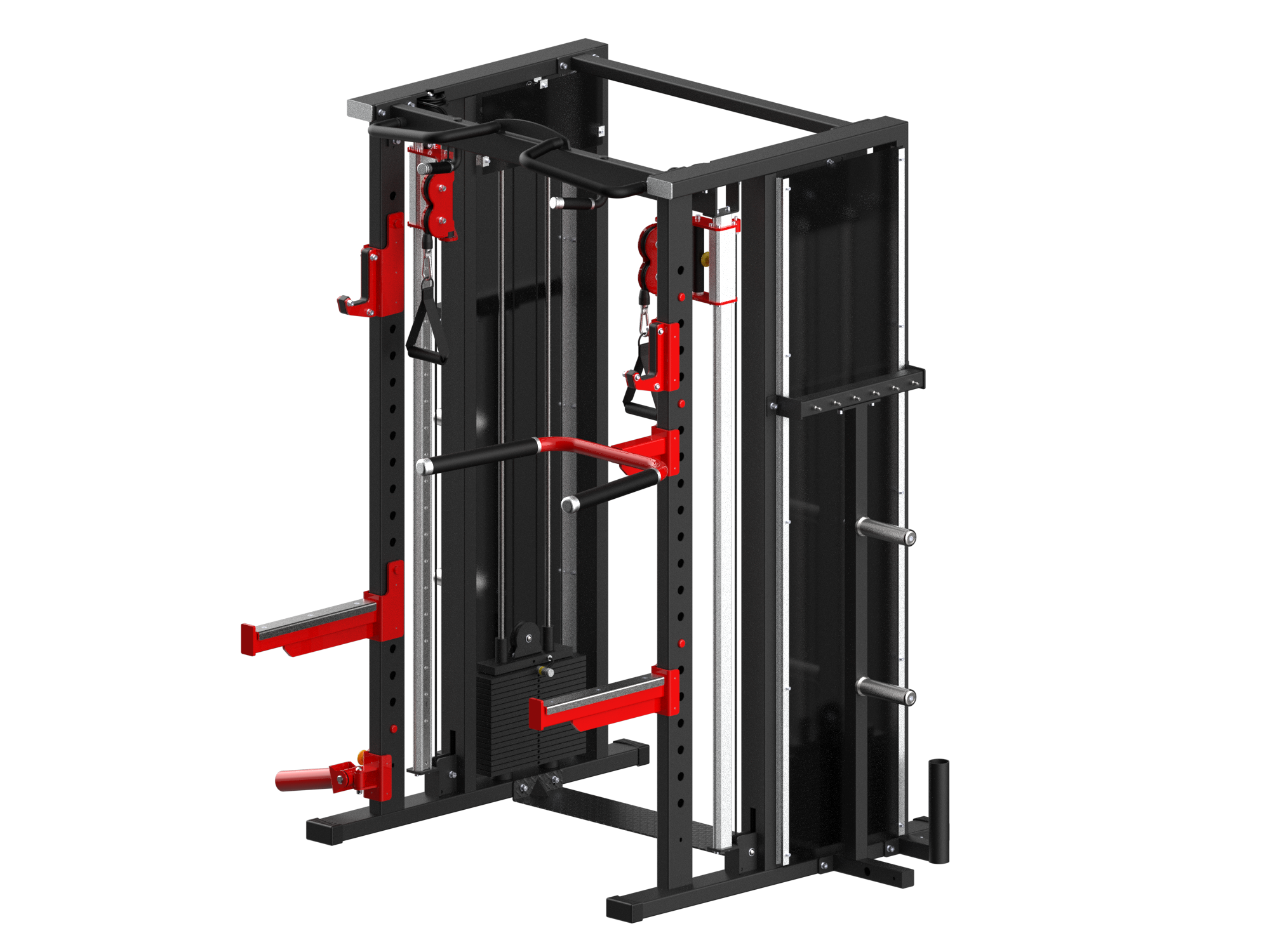
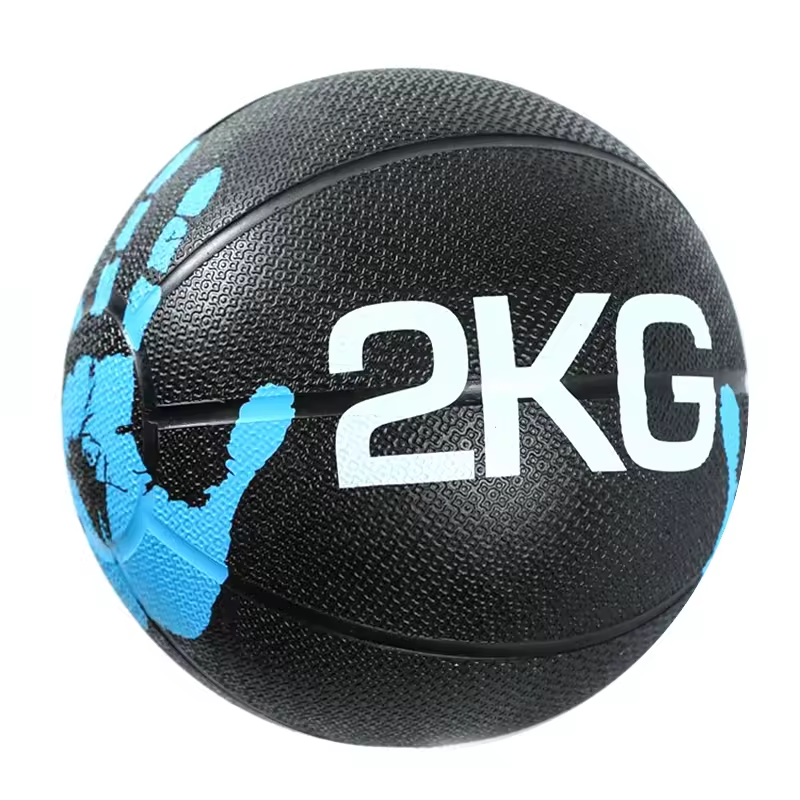
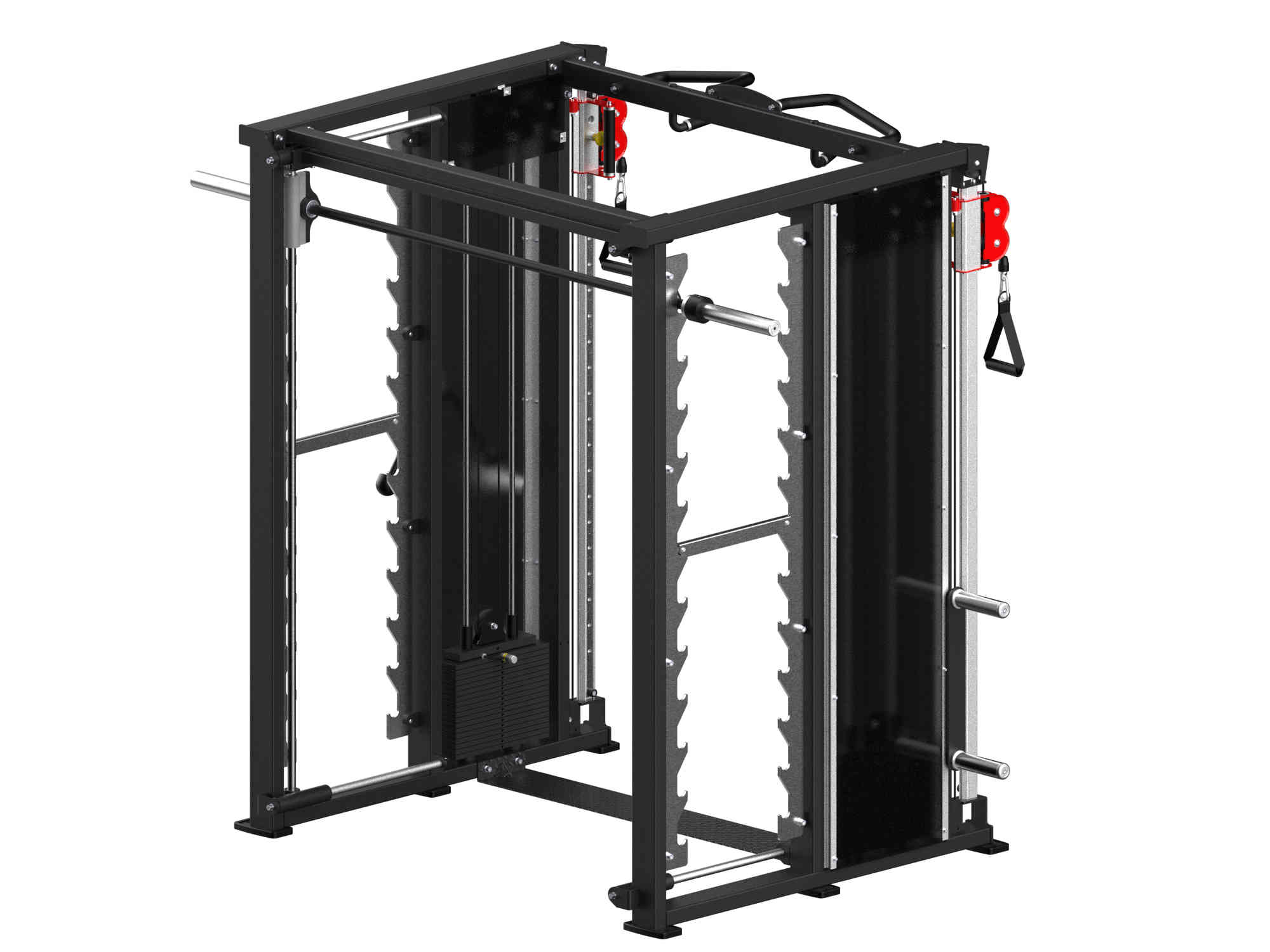
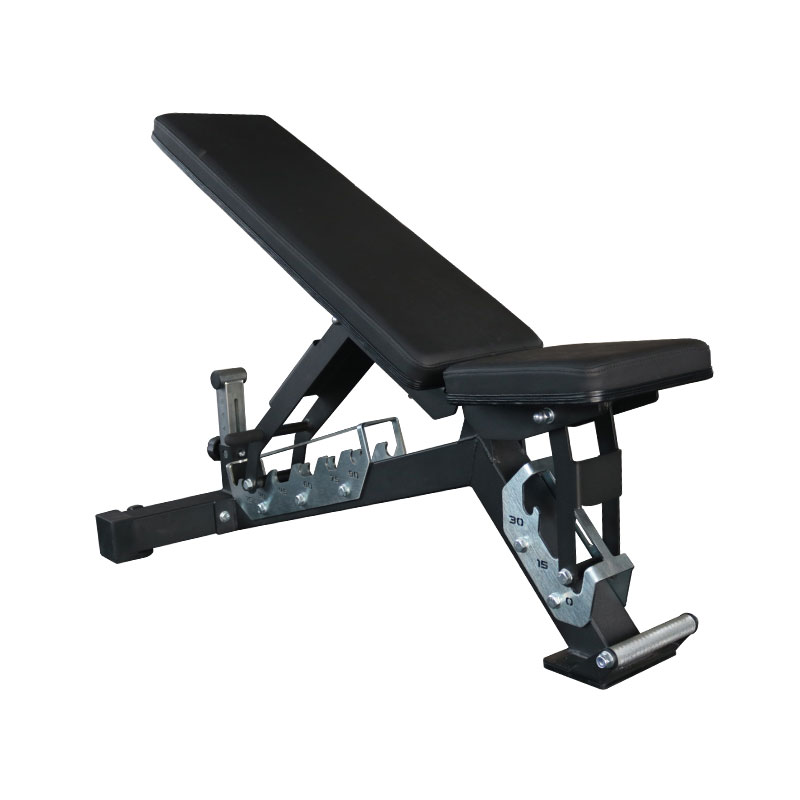
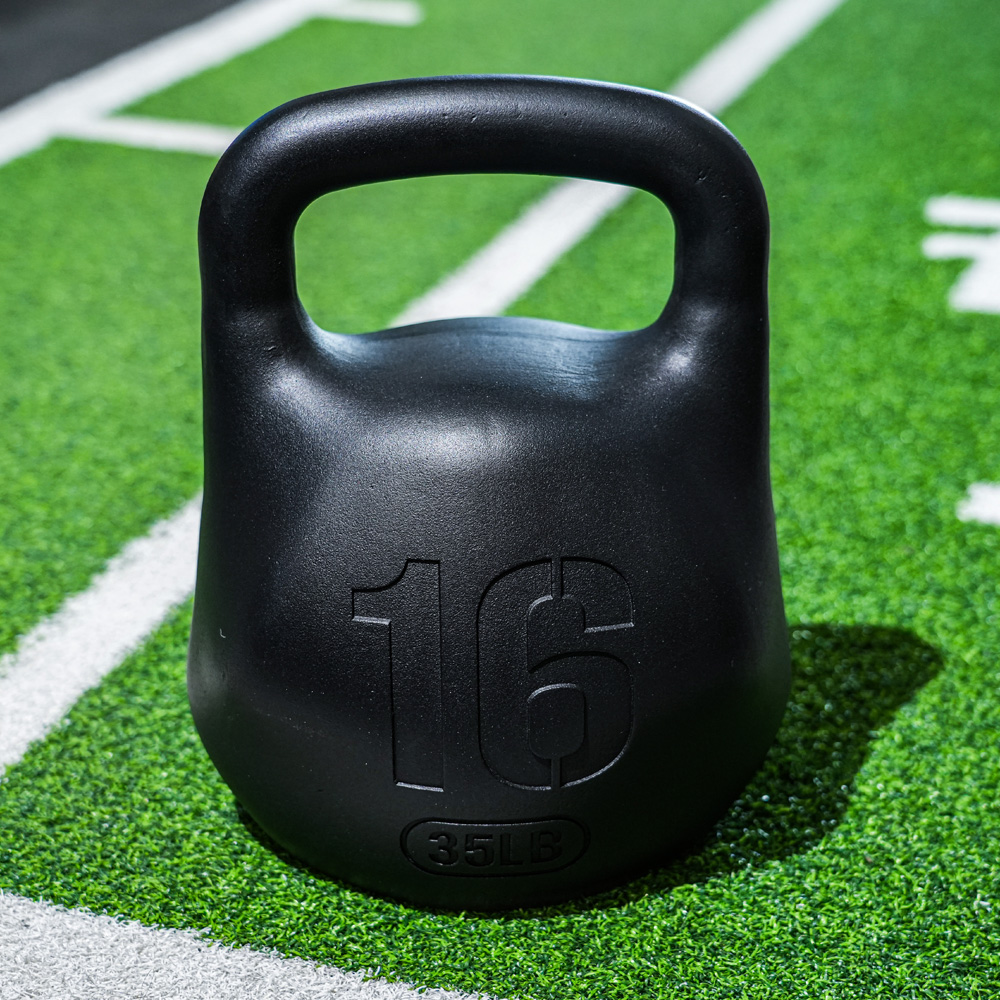
Reputable manufacturers specialize in various segments of the fitness industry. These include strength training equipment (such as plate-loaded machines and selectorized strength machines), cardiovascular technology (treadmills, ellipticals, and stationary bikes), and functional training tools (kettlebells, dumbbells, and resistance systems). A high-tier manufacturer must demonstrate mastery over diverse fabrication processes, including heavy-duty steel welding, powder coating application for corrosion resistance, and precision assembly of moving parts like bearings and pulleys.
Critical Selection Criteria for B2B Buyers
When auditing potential fitness product manufacturers, procurement teams should prioritize the following technical benchmarks:
Sourcing and Customization (OEM/ODM)
The fitness manufacturing sector offers varying levels of customization. Original Equipment Manufacturers (OEM) allow brands to leverage a factory's proven engineering while applying proprietary branding and minor aesthetic adjustments. Conversely, Original Design Manufacturers (ODM) provide deeper integration, allowing for unique mechanical innovations or specialized functional movement profiles. Understanding the distinction between these models is vital for optimizing research, development, and time-to-market strategies.