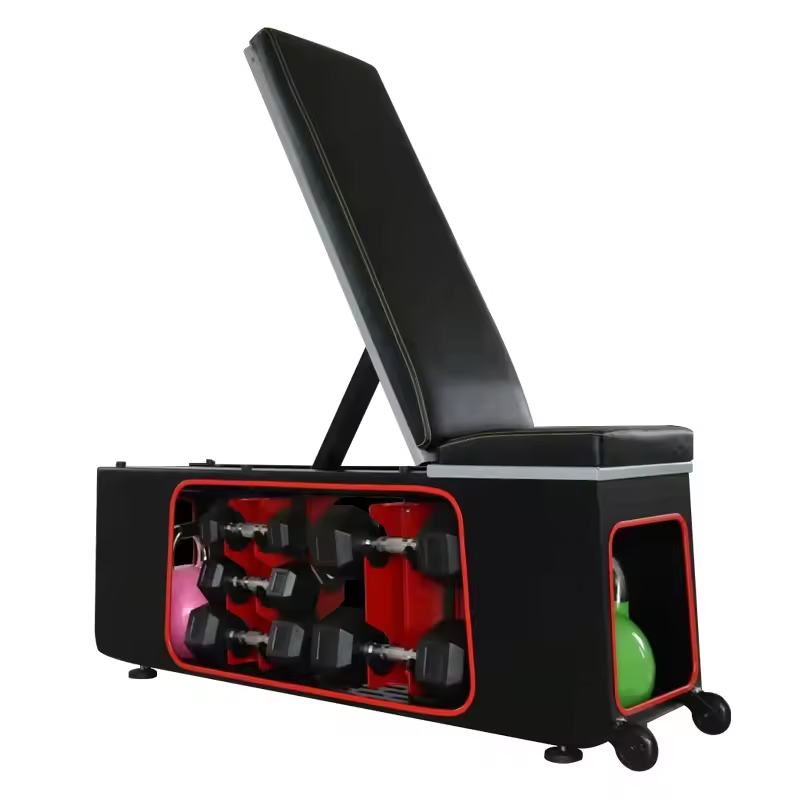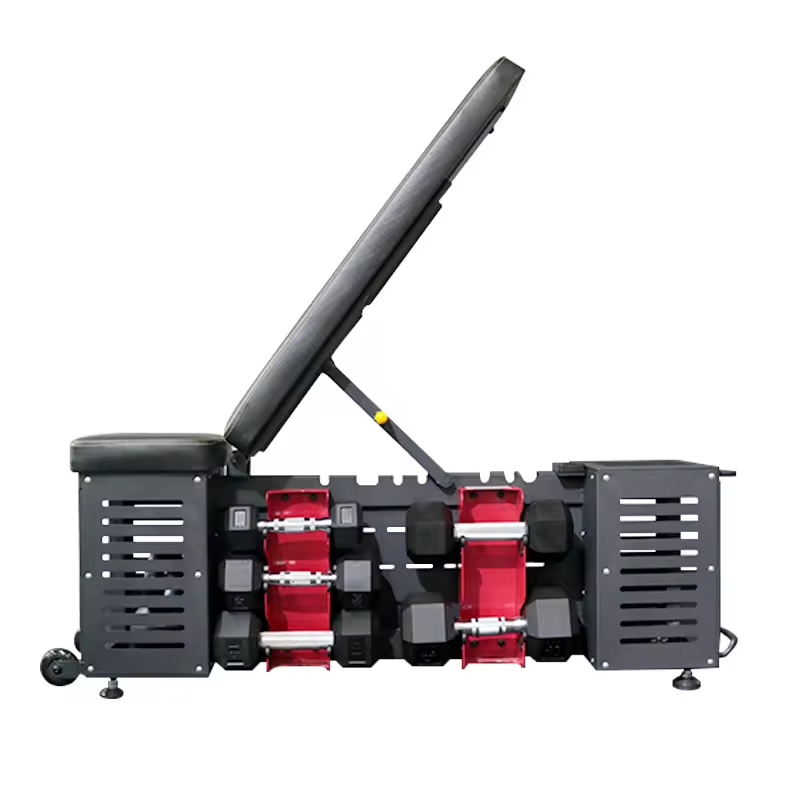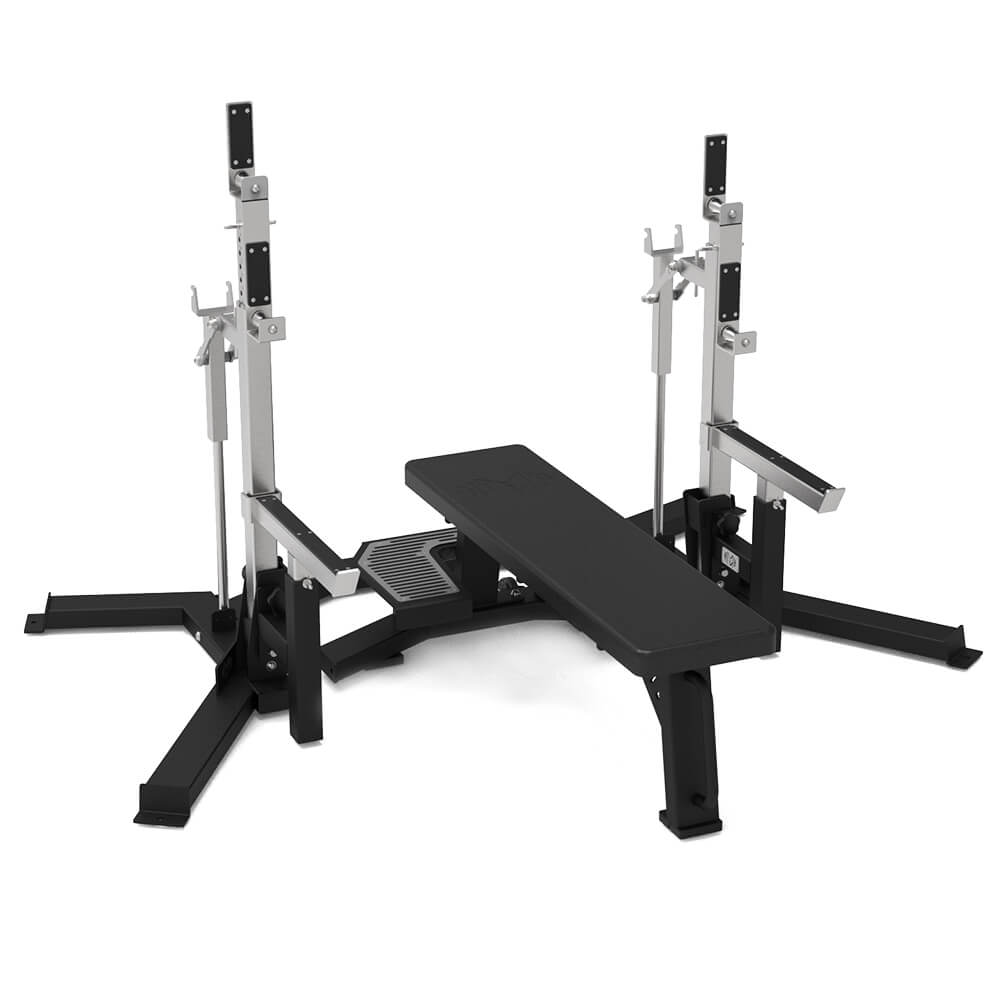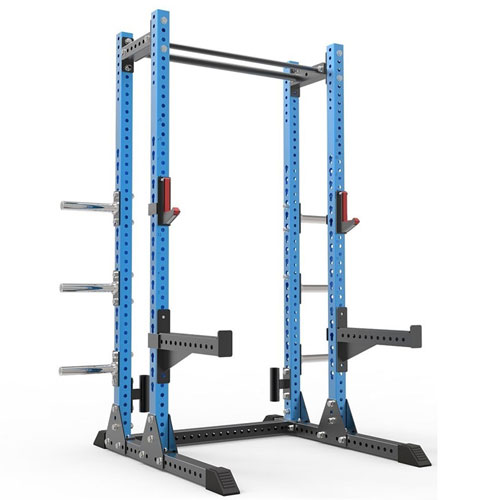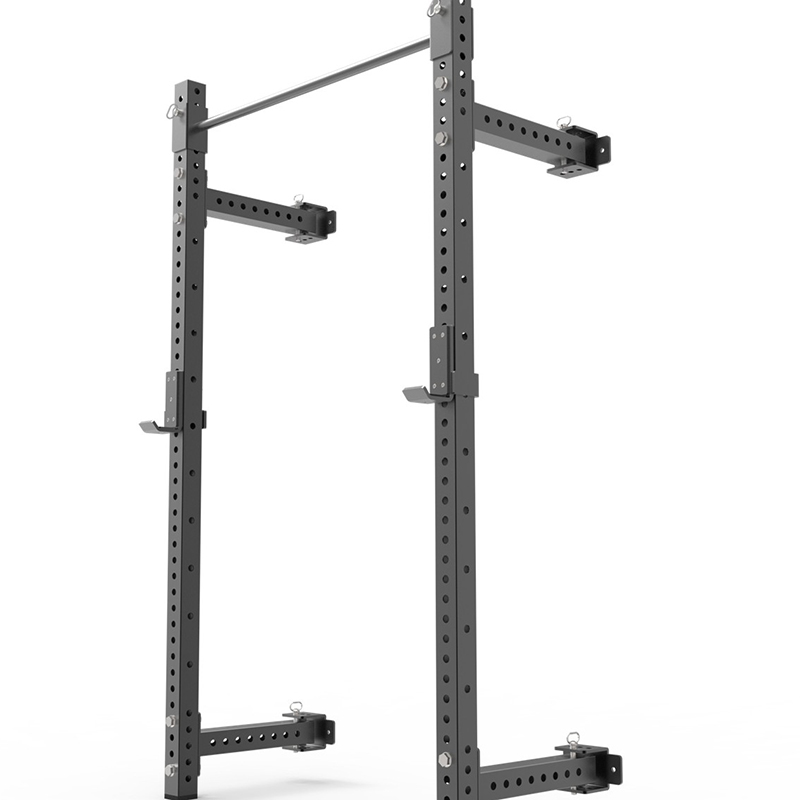

The adjustable bench press rack category has evolved beyond simple hole-pin systems into a sophisticated ecosystem of ladder mechanisms, linear bearings, and magnetic catch designs. Unlike fixed power racks or standalone benches, these hybrid units must solve a contradictory engineering problem: providing rock-solid stability for heavy pressing while enabling rapid, tool-free adjustments across multiple users. The mechanical solution lies in the interface between the upright channel and the bench carriage—specifically, the engagement depth of the locking pin relative to the wall thickness of the steel tube.
At the core of any quality adjustable bench press rack is the hole spacing density on the upright posts. Standard commercial racks use 50mm spacing, which often leaves lifters compromising between a too-high or too-low catch position. Superior adjustable benches narrow this to 25mm or even 12.5mm spacing, allowing fine-tuning of the starting position for bench press, squat, and overhead work. However, tighter spacing reduces the remaining steel between holes—a critical safety variable. Adjustable bench press rack engineers must balance hole density with wall thickness; a 3mm wall with 12.5mm spacing retains 83% of the material strength of a solid 3mm wall, whereas 5mm spacing retains only 65%. Independent load testing shows that racks with 50mm spacing on 2mm steel fail at 180kg under dynamic drop tests, while 25mm spacing on 3mm steel withstands 250kg+ impacts before deformation.
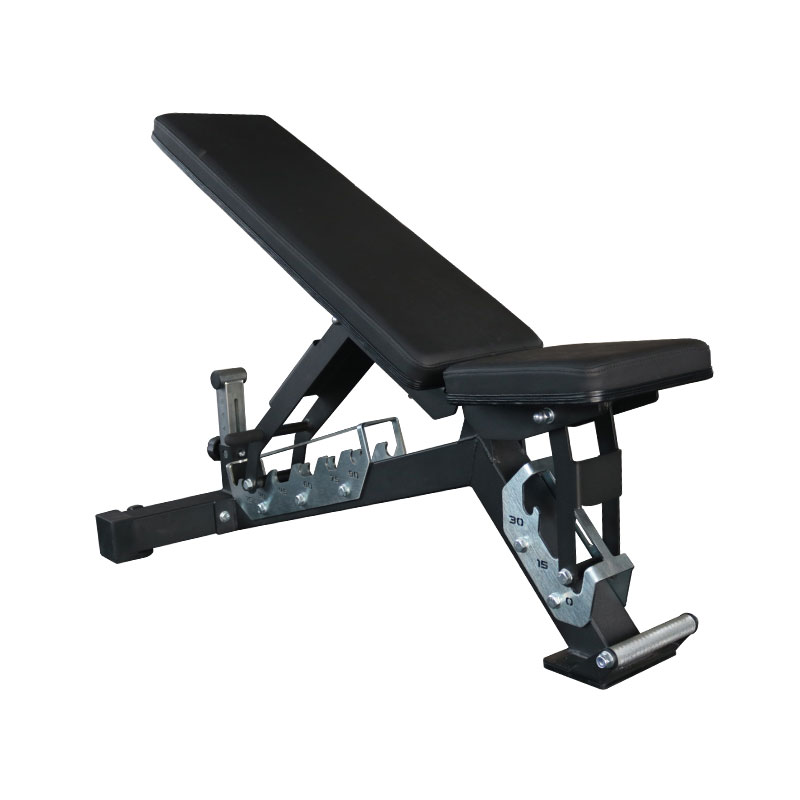
The adjustment mechanism itself distinguishes entry-level from professional adjustable bench press rack designs. Pop-pin systems with spring-loaded detents offer convenience but accumulate wear at the engagement groove—after approximately 5,000 adjustment cycles, the pin can slip under lateral load. Ladder-style hooks (similar to commercial squat racks) eliminate this failure mode by using gravity-assisted engagement, though they require two-hand operation. Adjustable bench press rack models incorporating magnetic parking positions for the bench pad—where the backrest snaps into 15°, 30°, 45°, 60°, and 85° detents—reduce frame wobble during incline pressing by eliminating the play inherent in pin-and-hinge designs. Facility data indicates that magnetic-detent systems maintain consistent lockup for 10,000+ cycles, whereas standard friction hinges develop visible slop after 3,000 uses.
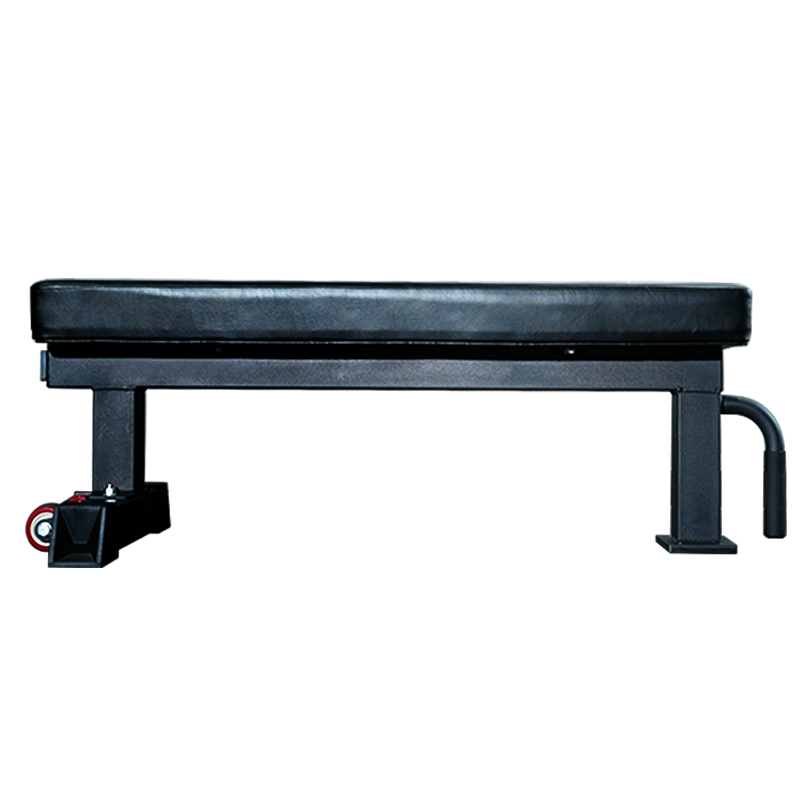
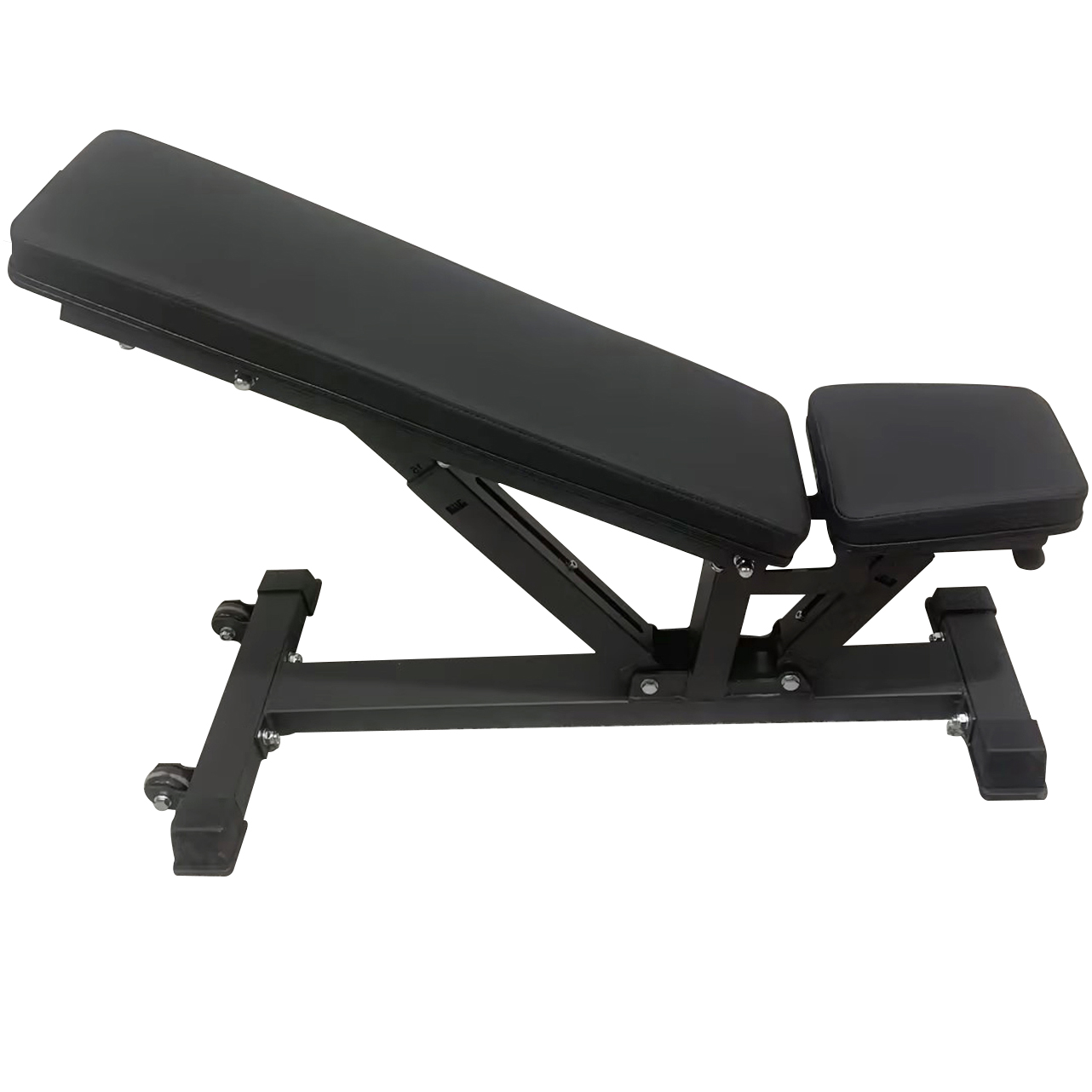
For buyers evaluating options, prioritize adjustable bench press rack units with a rear stabilizer bar extending behind the rear feet—this prevents tip-back during heavy racking of 140kg+ loads. Verify that the bench pad, when fully declined (typically -15° to -20° for decline pressing), does not contact the floor cross-member; clearance under 25mm risks pinching during dynamic movement. The most practical innovation in this category remains the wheel kit: a adjustable bench press rack with two fixed casters on the front and rubber feet on the rear can be tilted and rolled for storage, solving the portability problem inherent in 45-65kg units. Avoid designs where the adjustability lever protrudes below the frame rails—these catch on gym flooring and snap under accidental side loads.