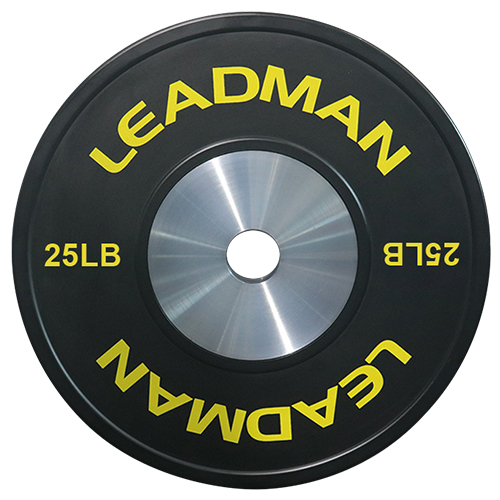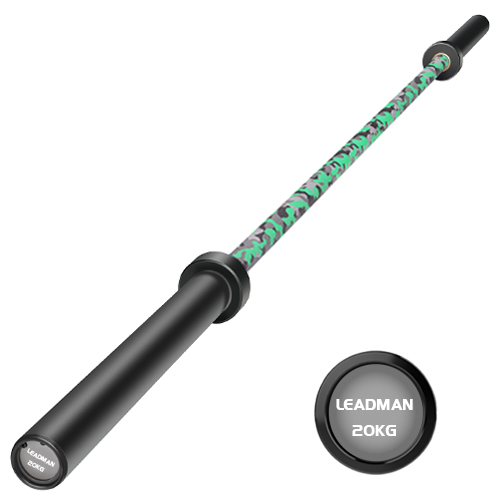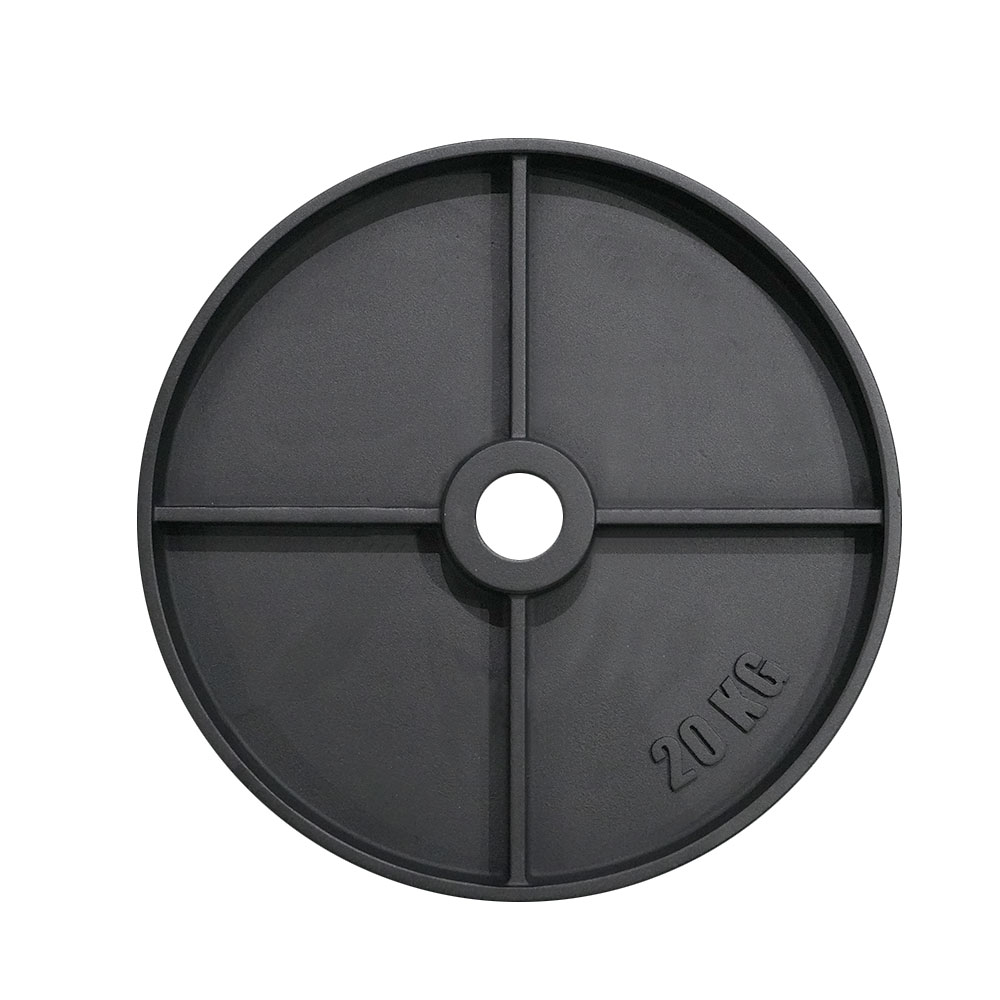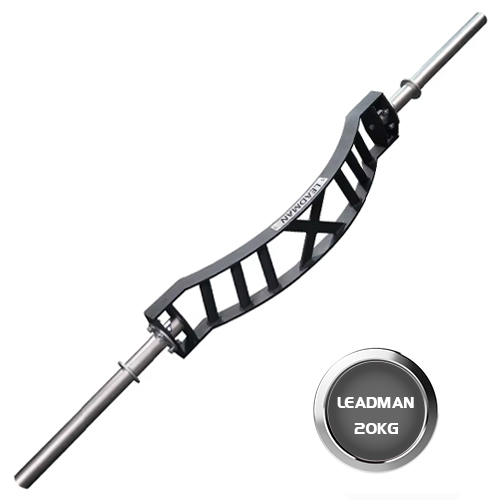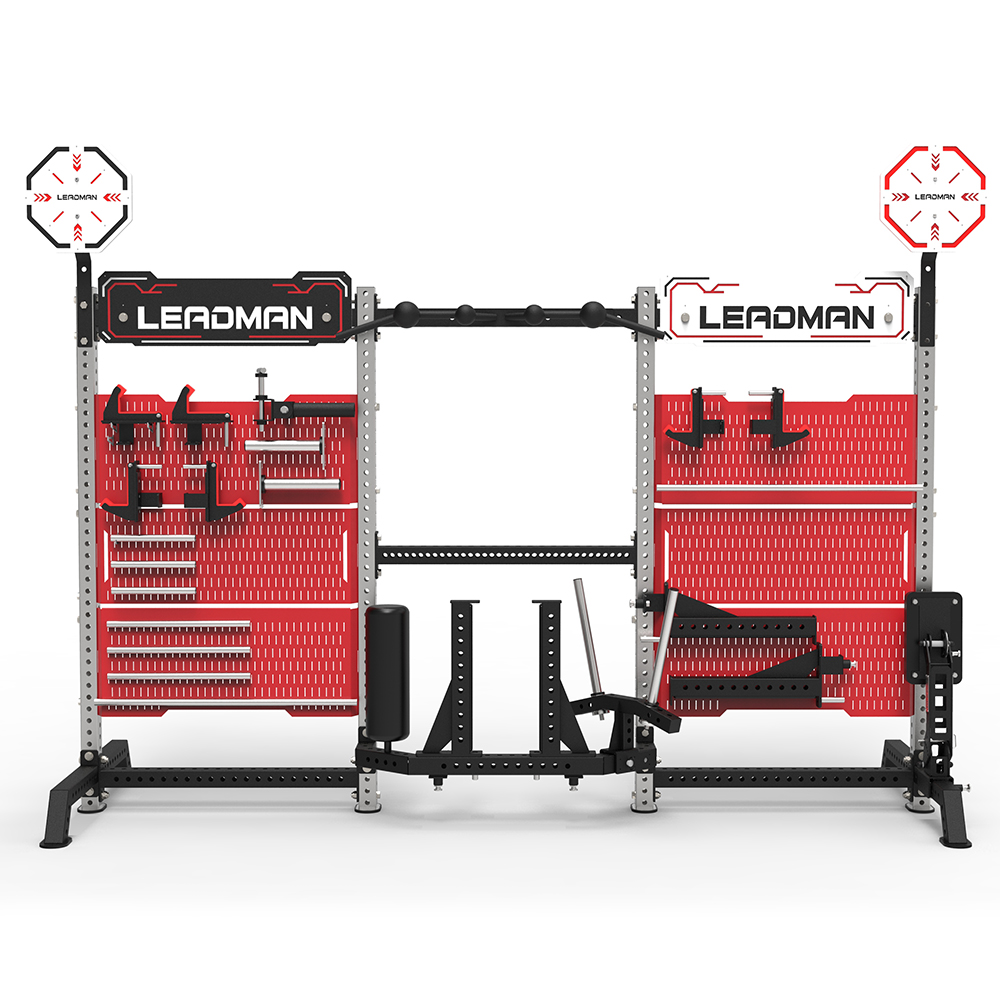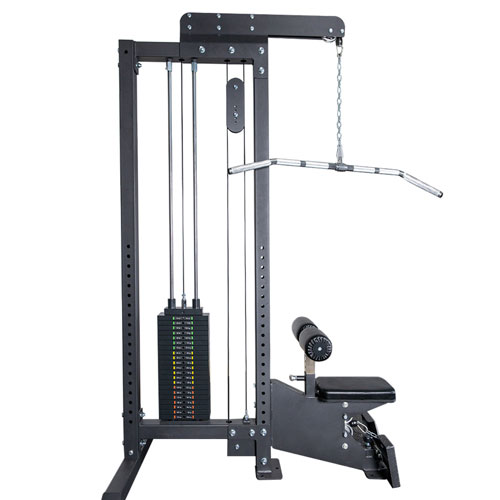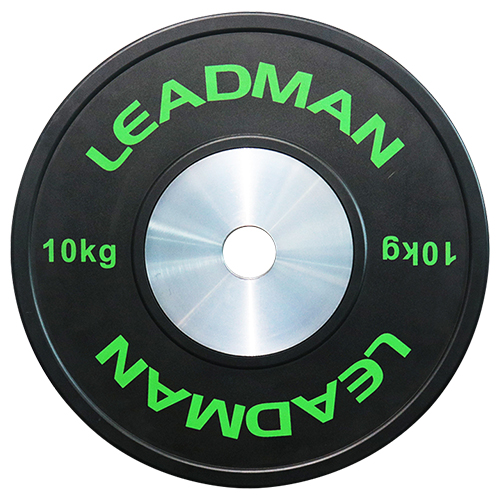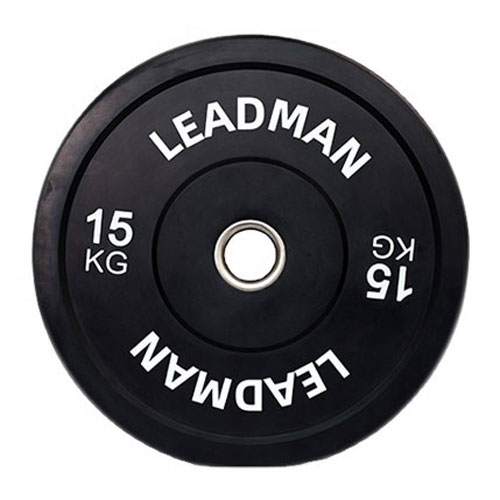
Selecting the right commercial strength equipment manufacturers is a critical decision for gym owners, developers, and procurement professionals. Unlike residential fitness gear, commercial-grade strength equipment must withstand high-frequency usage, extreme mechanical stress, and continuous load cycles. A high-tier manufacturer does more than assemble parts; they engineer solutions that prioritize biomechanical efficiency, structural integrity, and long-term ROI.
Core Engineering and Material Standards
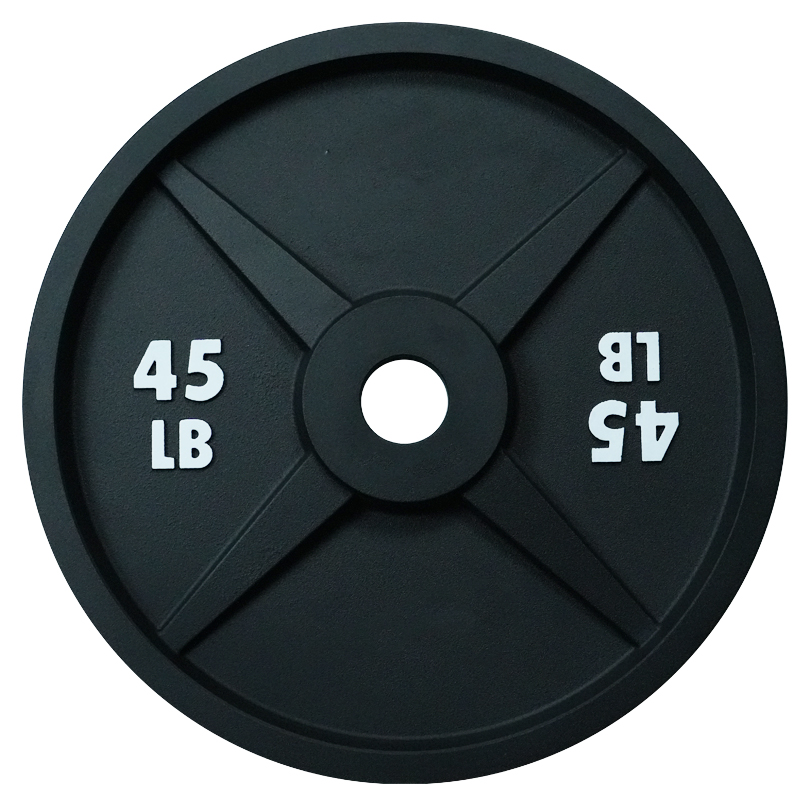
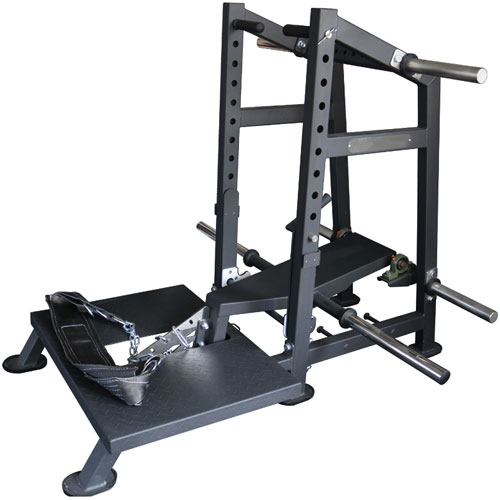
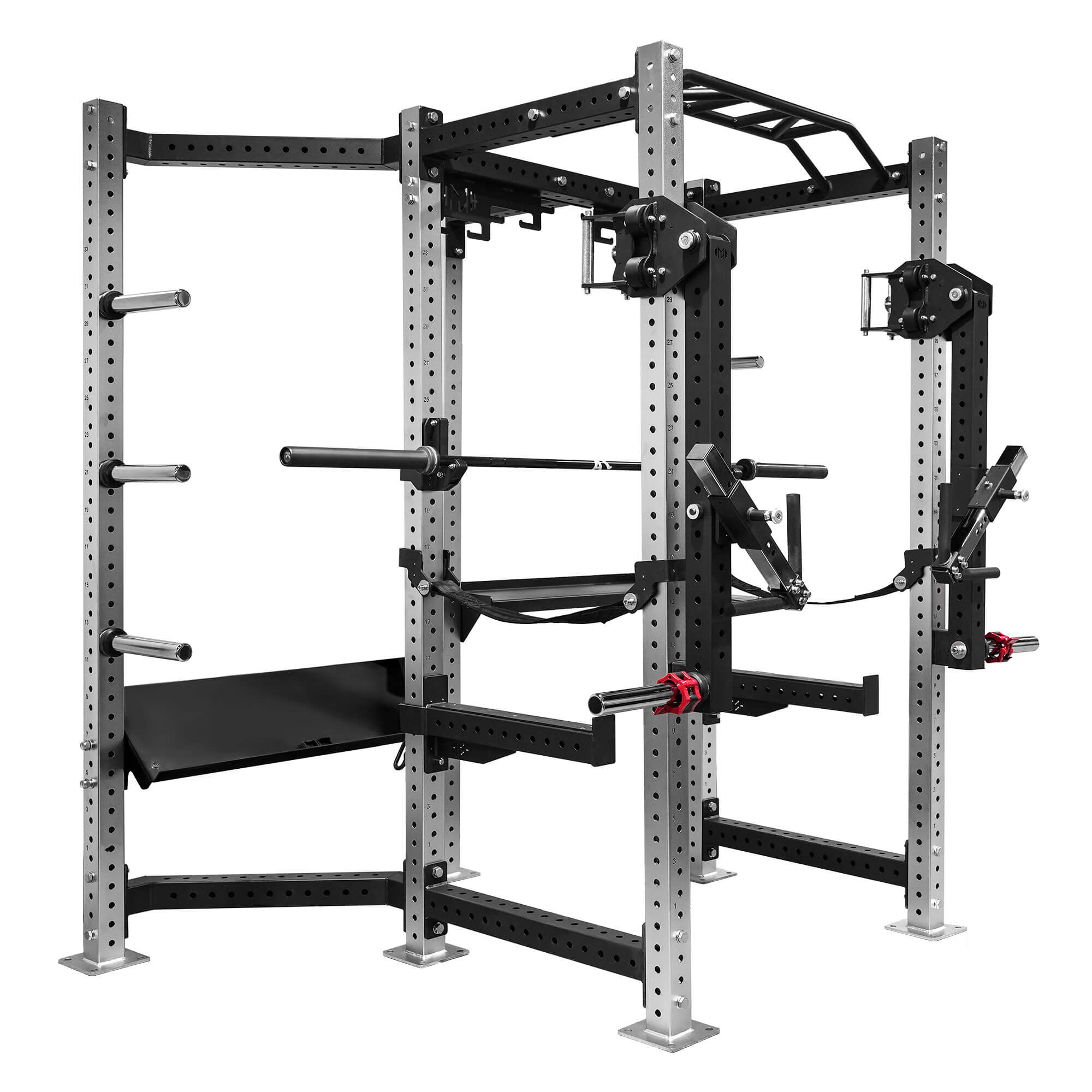
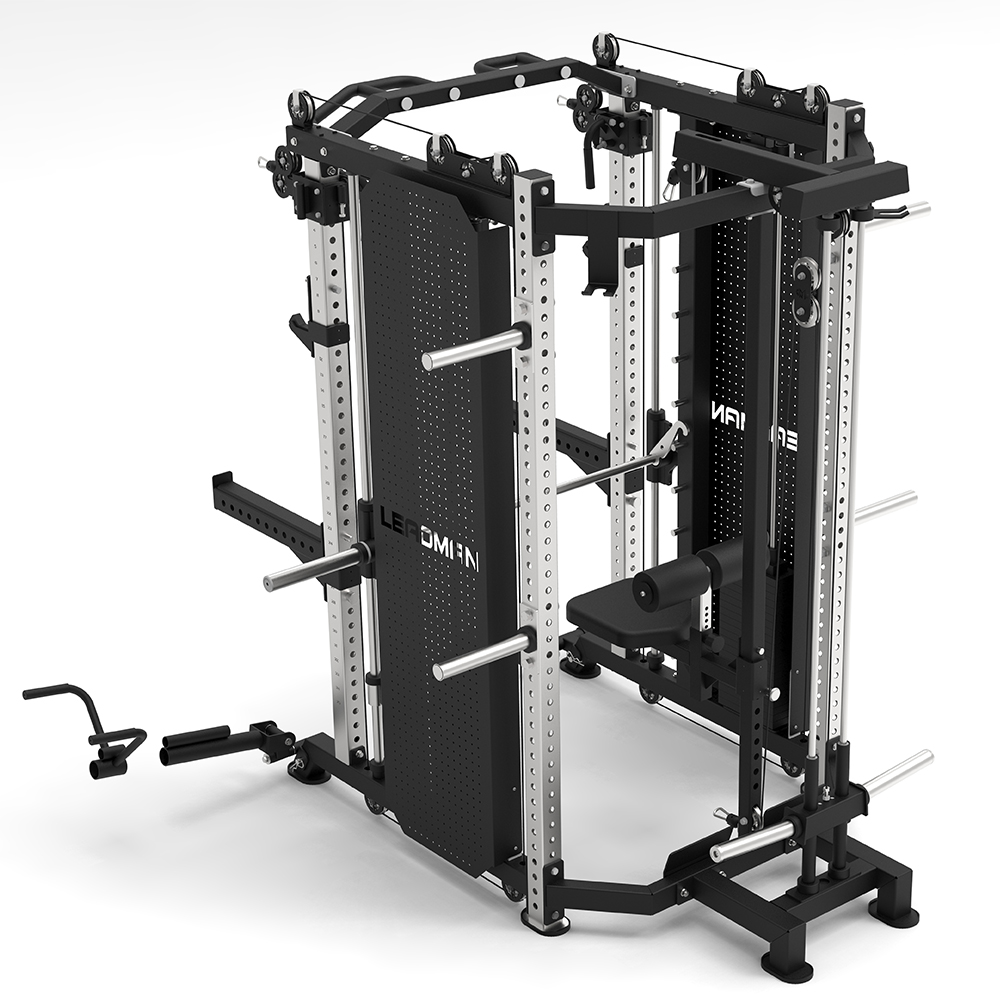
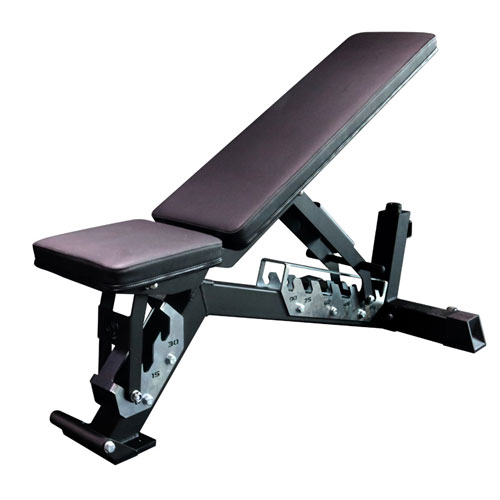
When vetting potential suppliers, technical specifications regarding frame construction and upholstery are paramount. Professional manufacturers typically utilize heavy-gauge, powder-coated steel tubing to prevent deformation under heavy loads.
Key Criteria for Evaluating Manufacturers
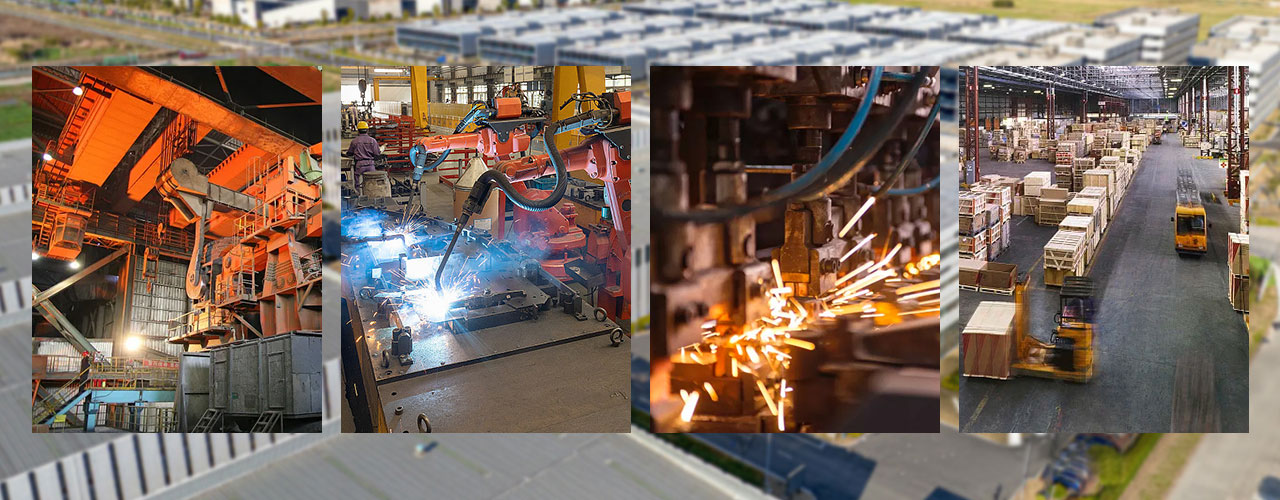
Sourcing strength equipment requires a rigorous evaluation of a manufacturer's production capabilities and quality control protocols.
1. Compliance and Certification: Ensure the manufacturer adheres to international safety standards such as ISO or ASTM. Compliance with strict manufacturing protocols guarantees that the equipment's strength-to-weight ratio and stability limits are rigorously tested.
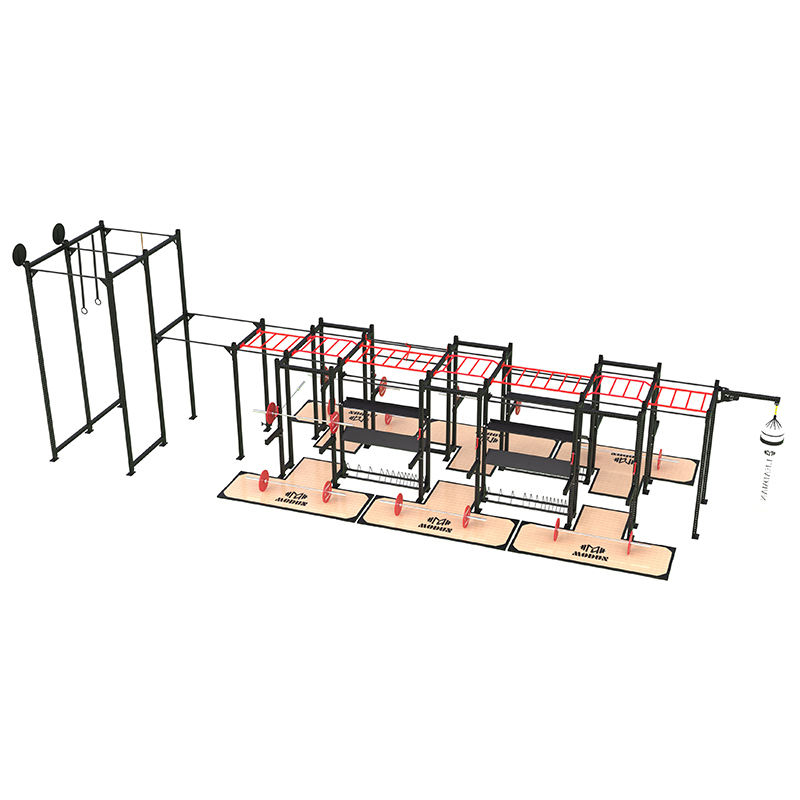
2. Customization and OEM Capabilities: Many professional procurement workflows require customized solutions. The best manufacturers offer OEM (Original Equipment Manufacturer) services, allowing for bespoke dimensions, specialized upholstery, or branded aesthetic integration to suit specific facility layouts.
3. Logistics and Scalability: A reliable manufacturer should demonstrate a robust global supply chain, capable of handling large-scale shipments for commercial fitness franchises or multi-site institutional projects. This includes managing the complexities of heavy-weight shipping and professional installation support.
Strategic Sourcing for Fitness Facilities
For procurement specialists, the goal is to minimize total cost of ownership (TCO). While initial unit costs vary, low-quality strength equipment often incurs high maintenance expenses and premature replacement cycles. By prioritizing manufacturers who emphasize heavy-duty components and precision engineering, facility managers ensure a durable, high-performance environment that supports athlete development and long-term operational efficiency.