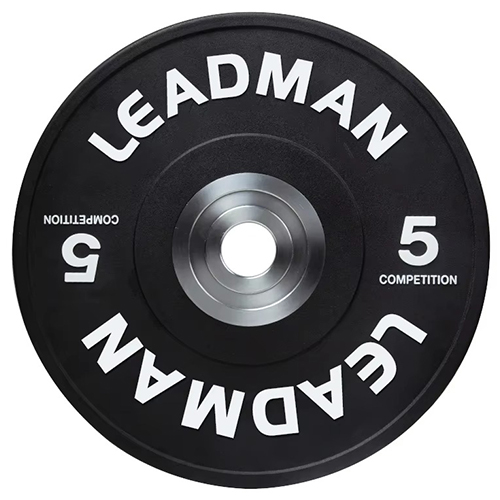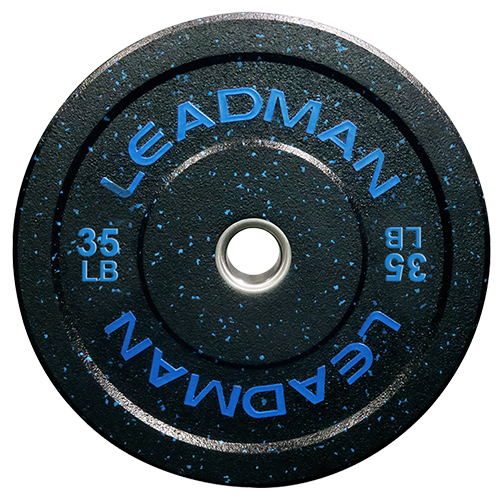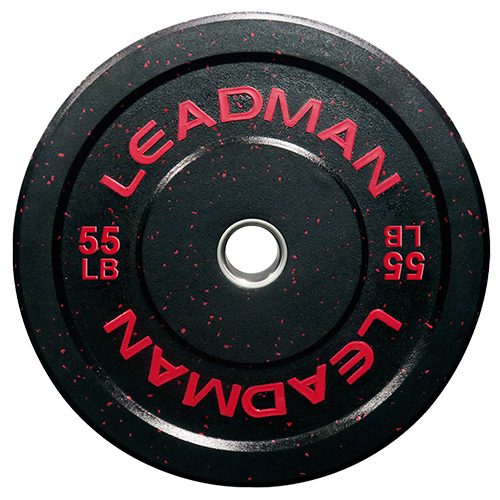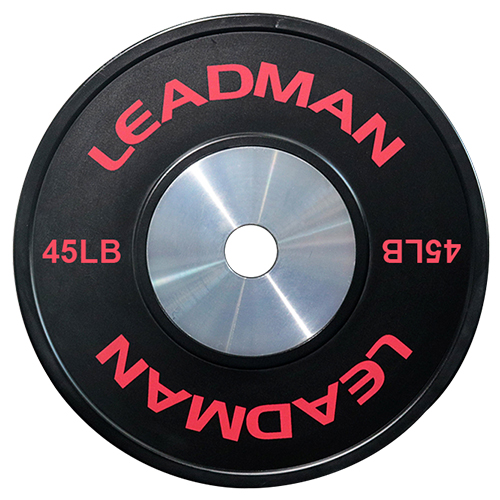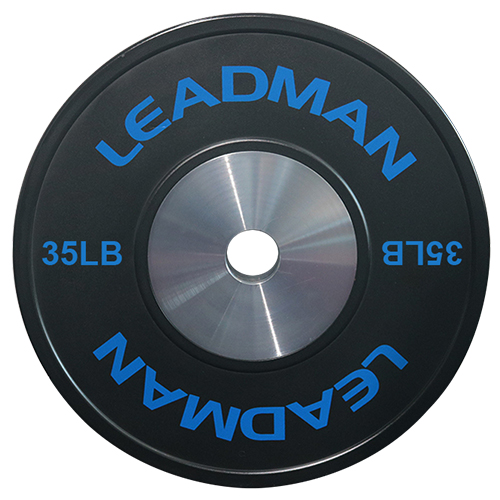
Selecting the correct bumper plates is a critical decision for facility managers, professional strength coaches, and gym owners. Unlike standard iron plates, bumper plates are engineered to withstand the high-impact forces associated with Olympic weightlifting and CrossFit-style training. Choosing the wrong specification can lead to premature material degradation, uneven barbell wear, or increased maintenance costs.
Material Composition and Density
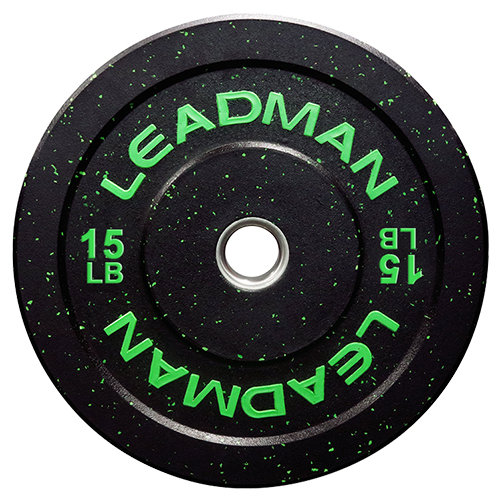
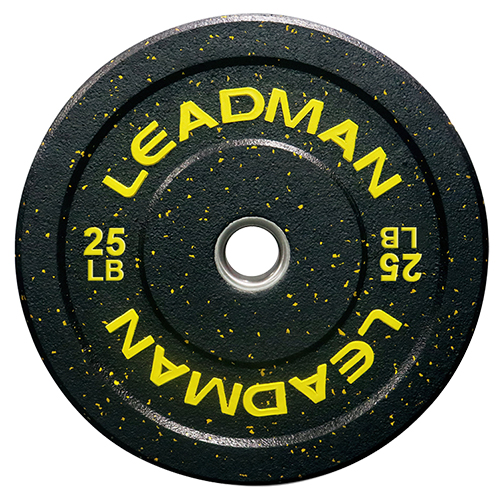
The primary distinction in bumper plate selection lies in the core material. Most professional-grade plates utilize high-density virgin rubber or high-quality recycled rubber. Virgin rubber offers superior uniformity, consistent density, and longer lifespan, making it ideal for high-traffic commercial facilities. While recycled rubber is a cost-effective alternative, it may exhibit slight variations in density and texture. When sourcing, verify the compaction level to ensure the plates do not deform under heavy loads or during repetitive drops.
Tolerance and Precision
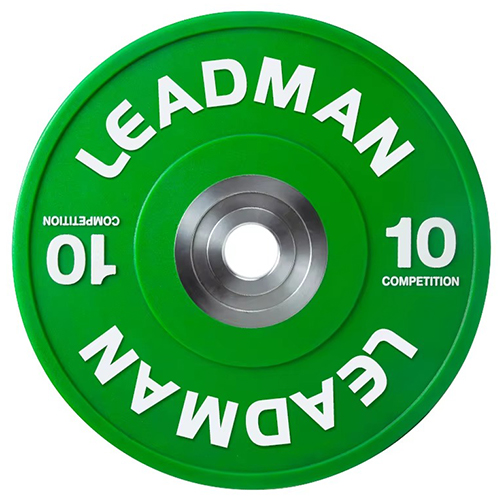
In high-performance environments, weight accuracy is non-negotiable. Bumper plates should adhere to strict tolerance standards. A professional-grade plate should have a weight variance of no more than +/- 1% to 2%. High precision ensures that athletes can train with predictable resistance and prevents imbalances during heavy cleans or snatches. Furthermore, ensure the center hole diameter is precisely calibrated for standard 50mm Olympic barbells to prevent excessive wobbling or tightness.
Durability and Impact Absorption
The ability to absorb kinetic energy is the fundamental function of a bumper plate. Consider the following technical aspects during procurement:
Operational Use Cases
Determine your primary training modality before finalizing a purchase. For heavy Olympic lifting, prioritize high-density virgin rubber plates with minimal bounce. For functional fitness and metabolic conditioning, plates with slightly higher shock absorption properties may reduce floor vibration and protect your lifting platforms. Always ensure the plates are compatible with your existing flooring to maximize the lifespan of both the equipment and the facility infrastructure.