
Optimizing Facility Longevity with a Premium Gym Bench Commercial Standard
Challenging the Myth of 'Indestructible' Commercial Benches
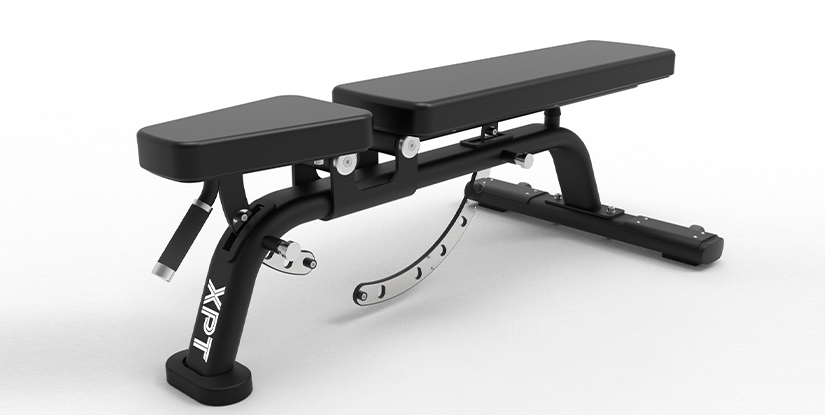
A common misconception among facility managers is that purchasing a high-end Gym Bench Commercial grade model eliminates the need for a structured maintenance protocol. Operators often assume that because the steel frame is heavy-duty and the upholstery is high-density, the equipment is essentially 'set and forget.' However, this mindset is a primary driver of premature asset depreciation and, more critically, user injury.
The reality is that even the highest-specification equipment undergoes mechanical fatigue. High-frequency use in a commercial setting introduces micro-vibrations, bolt loosening, and upholstery compression that cannot be prevented by quality alone. Relying solely on initial build quality without an operational oversight plan leads to a cycle of reactive repairs. Understanding the lifecycle of these assets is the first step toward moving from a reactive to a proactive management model. This foundational understanding leads directly into the specific material standards that dictate how long a bench actually lasts under heavy load.
Material Specifications and Structural Integrity Standards
Building on the necessity of proactive management, operators must first understand what constitutes a professional-grade build. A high-performance bench is not defined merely by its weight, but by the precision of its components and the durability of its finish. When sourcing equipment, the distinction between 'heavy-duty' and 'commercial-spec' is often found in the metallurgical and chemical properties of the build.
Steel Gauge and Frame Architecture
The structural backbone of a professional bench relies on steel tubing thickness. While residential-grade equipment may use thin-walled tubing, commercial environments require higher gauges to prevent bowing under eccentric loading. Operators should verify the steel thickness and the welding method, as high-quality TIG or MIG welding ensures that joints remain stable under repetitive stress. A common failure mode is the 'creaking' sound often heard in lower-grade benches, which indicates a structural shift at the weld points or a failure in the joint integrity.
Upholstery Resilience and Surface Finish
The surface of the bench is the most frequent point of contact and, consequently, the most prone to visible wear. High-quality commercial upholstery must balance Shore hardness with tactile comfort. If the foam is too soft, it will bottom out within months; if too hard, it creates user discomfort that drives lower engagement. A professional-grade finish should be resistant to both sweat-induced pH degradation and common cleaning agents used in facility sanitization.
| Feature | Commercial-Grade Specification | Common Failure Mode |
|---|---|---|
| Steel Gauge | 11-gauge or thicker steel tubing | Structural bowing or weld fractures |
| Upholstery Material | High-density reinforced vinyl | Cracking or peeling due to moisture |
| Foam Density | High-density closed-cell foam | Permanent compression/bottoming out |
| Finish Type | Powder coating with anti-corrosion | Rust formation at weld points |
Ensuring these material standards are met during procurement sets the stage for successful long-term operation. Once the correct equipment is installed, the focus must shift from selection to the rigorous routine of routine inspection and preventative upkeep.
The Essential Maintenance Cadence for High-Traffic Facilities
Selecting a robust Gym Bench Commercial unit is only half the battle; maintaining its peak performance requires a disciplined approach. The goal is to identify small mechanical shifts before they become safety hazards or complete component failures. A structured cadence allows facility managers to budget for replacements predictably rather than being blindsided by equipment downtime.
Daily Visual Inspection Protocols
Daily checks do not require specialized tools but do require a trained eye. Operators should look for 'red flag' indicators such as visible tears in the upholstery, loose weight pegs, or significant discoloration of the frame. These are often the first signs of environmental stress or heavy-handed use. A torn seam in the padding, for instance, is not just an aesthetic issue; it allows moisture to reach the internal foam, leading to rapid degradation and hygiene problems.
Monthly Mechanical and Torque Verification
Mechanical failure is often the result of vibration-induced loosening. On a monthly basis, a technician or skilled staff member should perform a physical audit of all moving parts and fasteners. This includes checking the stability of adjustment pins and ensuring that any bolts securing the frame are tightened to the manufacturer's specified torque. Without this step, the structural integrity of the bench is slowly compromised by the very movements it is designed to facilitate.
- Step 1: Inspect all adjustment mechanisms for smooth movement and clear engagement.
- Step 2: Perform a 'shake test' to detect any loose or rattling components within the frame.
- Step 3: Check the torque on all visible bolts and adjustment pins.
- Step 4: Document findings in a digital or physical maintenance log for liability coverage.
By establishing this routine, the risk of catastrophic failure is minimized. However, even with perfect maintenance, certain issues will inevitably arise that require immediate intervention. This brings us to the crucial task of troubleshooting and identifying the root causes of bench degradation.
Related reading:
Troubleshooting Common Bench Failures and Wear Patterns
Despite the best efforts of a maintenance team, equipment in a high-volume gym will inevitably experience wear. The key to effective troubleshooting is distinguishing between a user error, an environmental issue, and a mechanical failure. Misdiagnosing these can lead to unnecessary replacement costs or, worse, ignoring a dangerous defect.
Identifying Upholstery Degradation
When users complain of discomfort or visible wear on the bench surface, the cause is often environmental or load-related. If the upholstery is cracking in a pattern of small lines, it is likely due to improper cleaning or exposure to extreme temperature fluctuations. If the padding feels 'flat' or has lost its resilience, the internal foam density was likely insufficient for the load volumes being experienced, or the bench has exceeded its intended lifecycle. Addressing this early by replacing the pad can extend the life of the entire frame.
Correcting Frame Instability and Alignment
A bench that feels 'unbalanced' or 'wobbly' is a major safety concern. This instability can be caused by three primary factors: uneven flooring, loose bolts, or a warped frame. To troubleshoot, first verify that the bench is sitting on a level, high-density surface. If the issue persists, check the tightness of all bolts. If the frame remains unstable despite tightened fasteners, the structural geometry of the steel may have been compromised by an overload, necessitating a full replacement of the unit.
| Problem Symptom | Likely Cause | Actionable Fix |
|---|---|---|
| Unstable/Wobbly Movement | Loose adjustment pins or uneven floor | Tighten fasteners or adjust floor mats |
| Padding 'Bottoming Out' | High-frequency use vs. low foam density | Replace upholstery pad/foam insert |
| Visible Surface Cracking | Improper cleaning chemicals/pH levels | Standardize cleaning protocols |
| Squeaking/Grinding Noise | Lack of lubrication or loose pivot points | Apply industrial lubricant to joints |
When these troubleshooting steps reveal a fundamental flaw rather than a simple fix, it is time to re-evaluate the procurement process. Understanding why a piece of equipment failed is just as important as fixing it, as it informs future purchasing decisions.
Related reading:
Optimizing Procurement through Lifecycle Cost Analysis
The failures and maintenance patterns identified during the troubleshooting phase should directly inform your next purchasing cycle. A common mistake in facility management is choosing the lowest initial bid, which often leads to a higher Total Cost of Ownership (TCO) due to frequent replacements and maintenance requirements.
Moving Beyond Initial Purchase Price
When evaluating a Gym Bench Commercial option, the initial price tag is merely a single data point. A professional procurement manager should look at the expected lifespan and the availability of replacement parts. A high-quality bench with a higher upfront cost may actually be more economical over a five-year period if it requires fewer upholstery replacements and has a more robust structural warranty. The goal is to minimize the frequency of the 'purchase-fail-replace' cycle.
Key Decision Criteria for Facility Managers
To ensure long-term ROI, use the following criteria when reviewing product spec sheets:
- Availability of Replacement Parts: Can you buy just the pad, or do you have to replace the whole bench?
- Warranty Specifics: Does the warranty cover the frame, the upholstery, and the moving parts separately?
- Load Rating Verification: Does the bench meet the actual maximum load expected in your facility (including user weight)?
- Ease of Maintenance: Are the adjustment mechanisms easily accessible for cleaning and inspection?
By incorporating these metrics, you move from being a simple consumer to a strategic asset manager. This strategic approach ensures that the equipment serves the facility as intended, providing both safety for the user and value for the owner.
Related reading:
Ergonomic Design and User Safety Compliance
Beyond structural durability, the ergonomic profile of a bench determines the long-term satisfaction of your members. A bench that looks strong but fails to provide proper anatomical support can lead to chronic injury claims. Therefore, design considerations must be treated with the same rigor as mechanical strength.
Anatomical Support and Angle Precision
For adjustable models, the precision of the adjustment angles is critical. A commercial-grade bench must offer consistent, non-slip increments. If an incline adjustment is even a few degrees off from the specified angle, it can shift the center of gravity during a heavy lift, creating a rotational torque that the user is not prepared for. Additionally, ensure the bench provides adequate lumbar support and that the padding thickness is consistent across all adjustment positions to prevent 'dipping' during heavy movements.
Safety Compliance and Liability Mitigation
From a legal standpoint, facility managers must ensure that all equipment complies with regional safety standards. This involves more than just a cursory glance; it requires verifying that all pinch points are minimized and that any moving parts (like adjustment pop-pins) are designed to prevent accidental disengagement. A failure in a simple pop-pin can lead to catastrophic failure under load. Regularly reviewing safety certifications and ensuring your staff can identify non-compliant or substandard modifications is a vital part of risk management.
Ensuring that your facility stays ahead of these safety and ergonomic requirements is the final step in maintaining a professional-grade environment. This leads into the necessary strategies for long-term equipment evolution.
Related reading:
Future-Proofing Your Equipment Layout and Selection
As fitness trends evolve and user demographics shift, the requirements for your equipment will also change. A forward-thinking facility manager anticipates these shifts by selecting versatile, high-durability pieces that can adapt to changing training modalities.
The Role of Versatility in Equipment Longevity
A highly specialized bench might be perfect for a specific training style today, but if that style becomes less popular, the equipment becomes dead weight. Investing in adjustable, multi-functional benches can provide greater long-term value. These units can transition from flat presses to incline or decline work, keeping the equipment relevant to a wider range of users and training programs. This versatility, combined with the rigorous maintenance discussed earlier, forms the bedrock of a high-performing gym environment.
Final Verification: The Operator's Checklist
Before concluding your procurement or maintenance cycle, perform this final verification to ensure operational readiness:
- Total Weight Check: Are all benches properly positioned on high-density flooring to mitigate impact?
- Documentation Check: Are all maintenance logs updated and accessible for safety audits?
- Visual Audit: Is there any single point of failure that could lead to a liability issue?
- Staff Training: Has the team been trained on the specific cleaning and inspection protocols for the new units?
By adhering to these standards, you ensure that your investment in quality equipment provides lasting value, maintaining both the physical integrity of the assets and the safety of the athletes who rely on them.